
War – US Declares Mission Success After 38-Day Iran Conflict Ends
War – The United States has announced the successful completion of its military campaign against Iran, marking the end of a 38-day conflict conducted under Operation Epic Fury. White House Press Secretary Karoline Leavitt stated that the operation met all key objectives, crediting both the armed forces and President Donald Trump for the outcome. According to her, the timeline initially projected by the administration aligned closely with the actual duration of the mission.
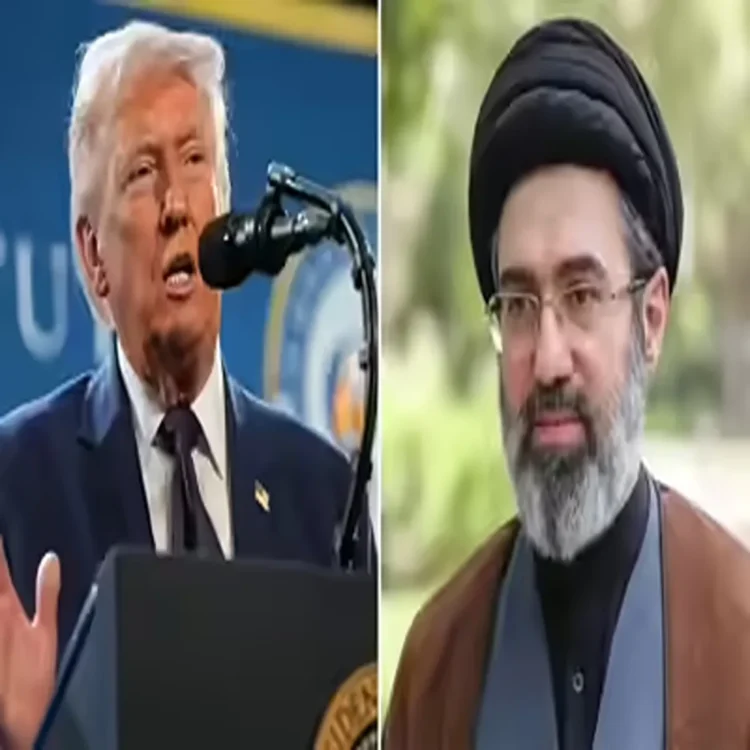
Military Operation Achieves Strategic Goals
Leavitt emphasized that the campaign not only met but exceeded its intended targets within just over five weeks. She noted that the operational efficiency of US forces played a central role in securing these outcomes. The administration had anticipated a four to six-week engagement, and the mission concluded within that window.
She further explained that the success on the battlefield strengthened the United States’ negotiating position. This advantage, she said, enabled Washington to push forward with firm diplomatic discussions that eventually led to a ceasefire and opened the door to a broader peace process.
Strait of Hormuz Reopens After Conflict
One of the key developments highlighted by the White House was the reopening of the Strait of Hormuz, a critical global shipping route. The closure of this passage during the conflict had raised concerns over international trade and energy supplies. Officials described its reopening as a significant milestone, reflecting both military and diplomatic progress.
The administration presented this move as a signal of stabilizing conditions in the region, suggesting that tensions had begun to ease following the ceasefire agreement.
Questions Raised Over Pakistan’s Role
Despite the announcement of peace, questions have emerged regarding the role of Pakistan in mediating the ceasefire. Jonathan Schanzer, an expert associated with the Foundation for Defence of Democracies and a former US Treasury analyst, described the development as highly unusual.
He pointed out that Pakistan’s involvement in brokering an agreement between two nations with longstanding tensions raises several unanswered questions. Schanzer also noted that statements from the United States and Iran regarding the terms of the deal appear to differ, adding to the uncertainty surrounding the agreement.
According to him, the situation requires closer examination to fully understand the motivations and implications of Pakistan’s role in facilitating the ceasefire.
Protests Continue in Washington
Even as the ceasefire was announced, demonstrations took place in Washington, DC, reflecting domestic opposition to the conflict. Protesters gathered to express their dissatisfaction with US foreign policy and the recent military actions.
One demonstrator stated that the protests were driven by frustration over ongoing global conflicts and a belief that immediate change was necessary. Others raised concerns about civilian casualties and questioned the justification for the military campaign.
Another participant argued that such military interventions often have broader consequences for regional stability and urged policymakers to prioritize diplomatic solutions over armed action.
Ongoing Debate Over Military Strategy
The end of the conflict has not brought an end to debate within the United States. While the administration maintains that the operation was a success that created conditions for peace, critics continue to question both the human and geopolitical costs of the campaign.
Analysts suggest that the coming weeks will be crucial in determining whether the ceasefire leads to lasting stability or remains a temporary pause in tensions. The differing narratives from involved parties also indicate that further clarification on the agreement may be needed.
As the situation evolves, attention is likely to remain focused on diplomatic efforts, regional responses, and the long-term impact of the conflict on global security dynamics.