
Trump Energy Policy – President Renews Opposition to New Wind Farm Approvals
Trump Energy Policy – President Donald Trump has renewed his administration’s opposition to approving new wind energy projects while emphasizing support for nuclear power, coal, natural gas, and other energy sources that his administration considers more dependable.
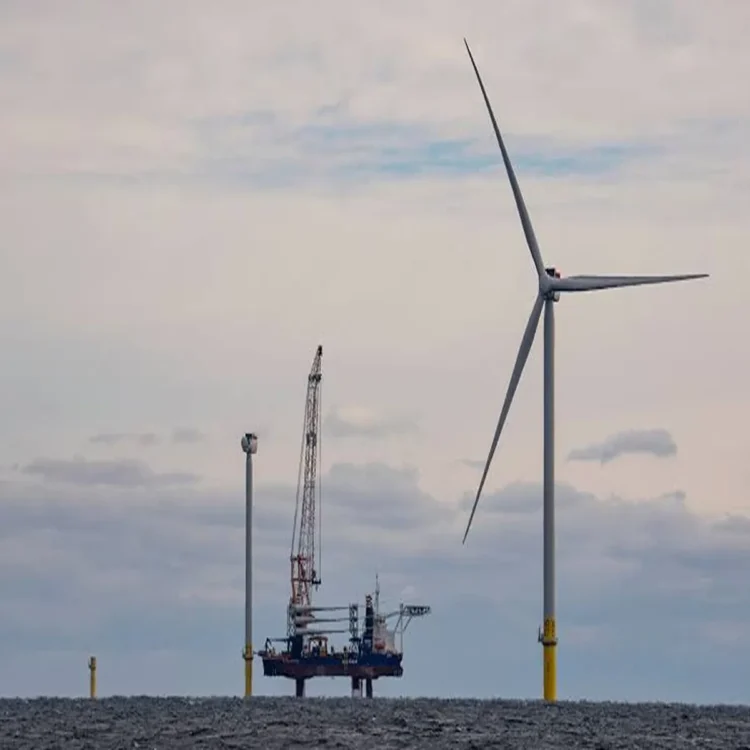
The White House reaffirmed its energy priorities during an event focused on advances in civilian nuclear technology, where President Donald Trump criticized wind power and said his administration intends to limit the approval of additional wind farm projects. He argued that future energy policy should prioritize sources capable of providing consistent electricity to meet growing national demand.
Trump Questions the Future of Wind Energy
Responding to questions about federal support for wind projects, Trump said his administration had not approved new developments related to wind farms. He described wind energy as costly and unreliable, maintaining that the industry relies heavily on government incentives. The President also repeated his long-held concerns about the visual impact of large wind turbines, claiming they reduce nearby property values and generate excessive noise for surrounding communities.
Trump further argued that wind turbines pose risks to bird populations, including protected species such as eagles. Comparing wildlife protection laws with the operation of wind facilities, he questioned what he described as differing legal consequences for bird deaths linked to turbines.
Concerns Over Manufacturing and Infrastructure
The President also criticized the global wind energy supply chain, saying much of the equipment used in wind projects is manufactured in China. He contrasted this with China’s domestic energy mix, arguing that the country continues to depend significantly on coal, oil, natural gas, and nuclear power despite being a major producer of wind technology.
Trump described wind energy as an inconsistent source of electricity because its output depends on weather conditions. Based on that assessment, he said his administration hopes to avoid approving additional wind farms unless exceptional circumstances arise.
Palm Springs Mentioned During Remarks
As part of his criticism, Trump pointed to the large concentration of wind turbines near Palm Springs, California, saying the aging structures negatively affect the area’s appearance. He also raised concerns about the disposal of turbine blades after they reach the end of their operational life, while acknowledging uncertainty regarding some of the environmental claims associated with their disposal.
Interior Secretary Supports Administration’s Energy Direction
Interior Secretary Doug Burgum echoed the President’s position, saying wind energy has historically benefited from substantial government subsidies while remaining dependent on weather conditions. He said the administration’s objective is to strengthen what it calls energy dominance by expanding electricity generation from sources capable of operating around the clock.
According to Burgum, the administration’s strategy includes increased investment in nuclear power alongside hydropower, geothermal energy, oil, natural gas, and coal. He described nuclear energy as a central element of the country’s long-term electricity plans, particularly as new technologies and private-sector innovation continue to develop.
Coal and Nuclear Remain Key Priorities
Burgum also defended the continued role of coal in the national power grid, saying existing coal-fired generating capacity has helped maintain electricity reliability during periods of severe winter weather. He stated that the administration had preserved approximately 35 gigawatts of coal generation over the past year to strengthen grid stability.
Trump likewise praised coal during the event, arguing that technological improvements have enhanced its environmental performance. He again referred to coal as an important component of the country’s energy future.
Rising Electricity Demand Shapes Energy Strategy
The administration used the event to reinforce its broader approach to domestic energy production, highlighting nuclear technology, fossil fuels, and advanced reactor development as priorities. Officials argue that rapidly increasing electricity demand driven by artificial intelligence, advanced manufacturing, and expanding data centers requires reliable baseload power generation that is not affected by changing weather conditions.
The remarks underscore the administration’s continued preference for conventional and nuclear energy sources while signaling a more restrictive approach toward future wind energy development in the United States.