
TradePolicy – EU Considers Stronger Safeguards Against Chinese Imports
TradePolicy – European Union leaders are pushing for a tougher approach to address the growing impact of Chinese exports on European industries, amid concerns that low-priced goods entering the bloc are creating unfair competition for local manufacturers. Discussions among member states have intensified as policymakers seek ways to strengthen existing trade protections and reduce economic vulnerabilities linked to China.
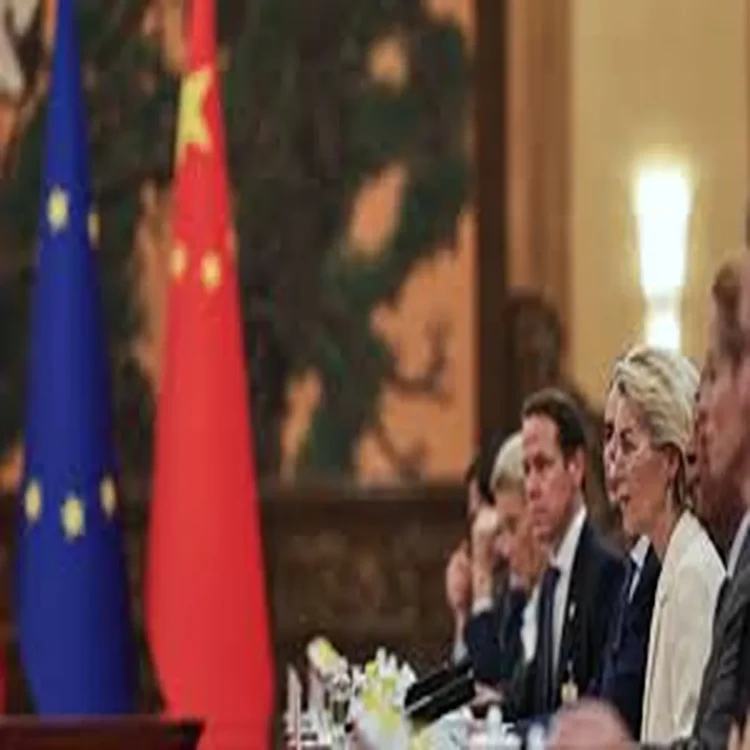
EU Leaders Seek Stronger Trade Defenses
During recent high-level discussions, EU leaders urged the European Commission to examine whether the bloc’s current trade defense mechanisms are sufficient to respond to market challenges posed by China’s expanding industrial output. According to officials familiar with the talks, there is increasing support among member countries for reinforcing existing safeguards and exploring additional policy tools.
The request reflects broader concerns within Europe about maintaining a level playing field for domestic industries while protecting strategic sectors from market distortions. Policymakers believe the Commission should assess available instruments and determine whether further measures are necessary to safeguard European economic interests.
Concerns Over Low-Cost Chinese Exports
A key issue raised during the discussions was China’s large-scale manufacturing capacity, which has outpaced demand in its domestic market. As a result, many Chinese producers have increasingly turned to overseas markets to sell their products.
European officials argue that some of these goods are being offered at prices that local manufacturers struggle to match. Industries across the continent have voiced concerns that continued pressure from cheaper imports could weaken competitiveness, reduce investment, and threaten jobs in certain sectors.
Among the areas drawing attention are advanced manufacturing industries, including automotive production, where European companies face growing competition from imported products entering the market at significantly lower prices.
Continued Dialogue With Beijing
Despite calls for stronger trade protections, EU leaders emphasized the importance of maintaining open communication channels with China. European policymakers are seeking a balanced strategy that combines market defense measures with continued diplomatic and commercial engagement.
The issue is expected to feature prominently in upcoming discussions between Chinese and European trade officials. China’s Commerce Minister, Wang Wentao, is scheduled to visit Brussels later this month for talks with EU Trade Commissioner Maroš Šefčovič. The meeting is likely to focus on trade relations, market access concerns, and efforts to manage economic tensions between the two sides.
Reducing Economic Dependence
Following the summit, Belgian Prime Minister Bart De Wever highlighted the need for Europe to reduce excessive reliance on external suppliers in critical sectors. He also pointed to concerns surrounding state support provided to Chinese industries, arguing that such practices create competitive imbalances in global markets.
European leaders broadly agree that the bloc must strengthen its economic resilience while ensuring that businesses operating within the EU can compete under fair conditions. Several governments have expressed support for measures that would help diversify supply chains and lessen strategic dependencies.
Commission Evaluating Next Steps
European Commission President Ursula von der Leyen reportedly discussed with national leaders how far the bloc might be willing to go if stronger trade measures trigger a response from Beijing. The conversation reflects the delicate balance Europe faces between protecting domestic industries and managing one of its most important trading relationships.
Officials indicated that the Commission will initially focus on reviewing existing trade instruments and identifying ways they can be applied more effectively. While discussions about creating entirely new policy tools are underway, such proposals would likely require lengthy legislative procedures before they could be implemented.
For now, EU institutions are expected to conduct a detailed assessment of available options as member states continue debating how best to respond to evolving trade challenges and safeguard the competitiveness of European industries in an increasingly complex global economy.