
Tibet – US Lawmakers Push New Bill Supporting Tibetan Democratic Leadership
Tibet – Two senior American lawmakers have proposed fresh legislation designed to maintain Washington’s relationship with Tibetans and their democratic institutions after the eventual passing of the 14th Dalai Lama. The proposal is expected to receive significant attention from China as well as the Tibetan exile community based in India.
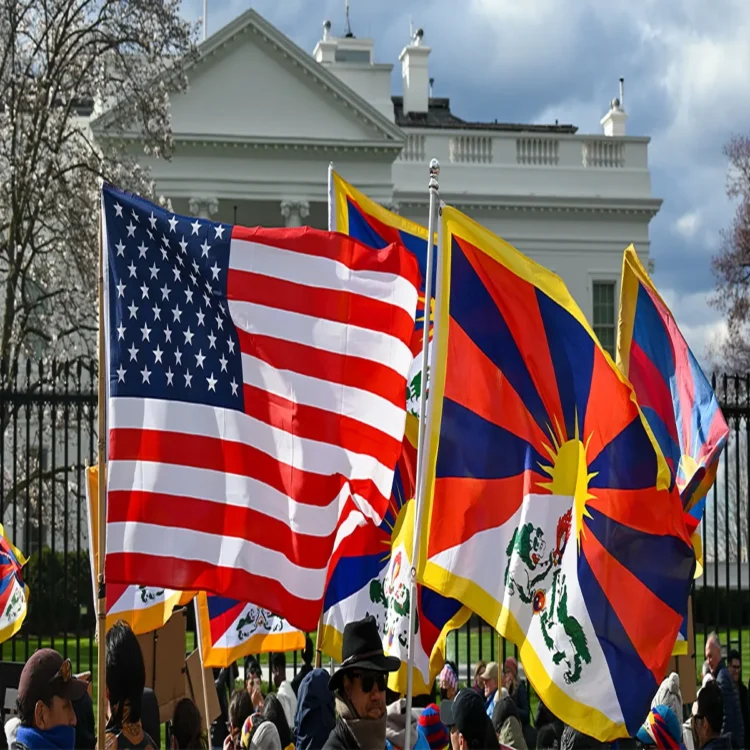
Bipartisan Bill Introduced in US Congress
The proposed legislation, called the “Assuring the Future of Tibet Act of 2026,” was jointly introduced by Congressman James P. McGovern and Congressman Michael McCaul. The measure reflects bipartisan support in the United States for the protection of Tibetan cultural, religious, and political rights.
According to details shared by the lawmakers, the bill aims to strengthen long-term American engagement with the Tibetan people and continue official communication with the Central Tibetan Administration, the Tibetan government-in-exile headquartered in Dharamshala.
Focus on Tibetan Rights and Representation
The legislation highlights concerns over Tibetans’ rights to religious freedom, democratic participation, and self-determination. It also seeks to establish continued US backing for Tibetan representatives after the current Dalai Lama’s era.
In a public statement, McGovern said the United States has maintained a strong interest for many years in addressing tensions between Tibet and China. He noted that preparations are necessary to ensure that American support for Tibetan rights continues in the future.
The Congressman further stated that the Central Tibetan Administration should continue to be recognised as the democratically elected body representing Tibetans worldwide. He stressed that maintaining institutional support would help preserve advocacy efforts linked to Tibetan identity, culture, and civil rights.
Concerns Over Chinese Policies
McCaul also voiced criticism of the Chinese government’s policies toward Tibetans. He said Tibetans have continued to face restrictions on religious practices and political freedoms since the Dalai Lama and many followers left Tibet decades ago and settled in India.
Referring to a previous visit to Dharamshala, McCaul said the United States would continue supporting Tibetans in their efforts to preserve their identity and determine their future peacefully. He described the proposed legislation as an effort to create stable and lasting ties between Washington and Tibetan democratic institutions.
Continued Engagement With Tibetan Leadership
One of the key provisions in the bill calls for ongoing US engagement with Tibetans through their elected leadership as well as religious and cultural representatives. The proposal also describes the Central Tibetan Administration as an institution that carries forward the governance structure established under the Dalai Lama.
The legislation additionally encourages the US government to advocate for observer status for the Central Tibetan Administration within the United Nations system and other global organisations. Supporters of the bill argue that greater international participation could provide Tibetans with broader diplomatic visibility on the world stage.
Debate Around Self-Determination
The bill also refers to international law concerning the principle of self-determination. It states that Tibetans have not been able to fully exercise those rights for many years.
Another important aspect of the proposal concerns the process of recognising future Dalai Lamas. The legislation states that the Gaden Phodrang Trust should remain the sole legitimate authority responsible for identifying and recognising future Dalai Lama successors.
The issue remains highly sensitive because China has repeatedly asserted that it intends to oversee the selection process for the next Dalai Lama. Tibetan leaders in exile, however, have opposed any external political interference in religious matters.
The proposed bill is likely to become part of wider international discussions surrounding Tibet, religious freedom, and geopolitical relations between the United States and China in the coming years.