
Tariffs – Trump Defends US Trade Duties, Says Investment Growth Reflects Policy Success
Tariffs – President Donald Trump has defended his administration’s latest tariff measures, maintaining that they are legally sound and have played a major role in drawing significant investment into the United States. Speaking during a question-and-answer session at the White House after an event focused on civilian nuclear energy, Trump argued that his trade strategy has strengthened the country’s economic position despite ongoing legal and international scrutiny.
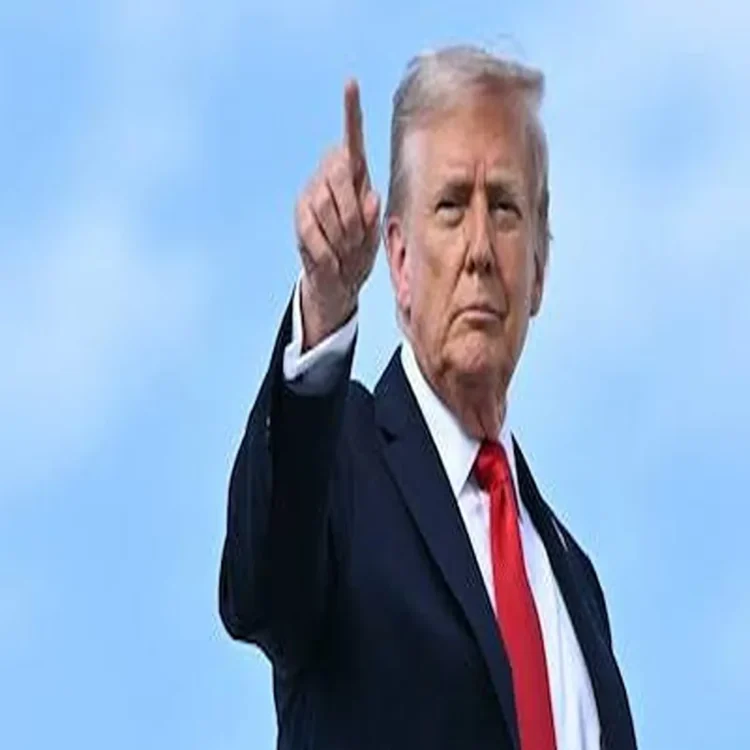
Trump Confident Tariffs Will Withstand Legal Challenges
Addressing questions about the legal foundation of recently announced tariffs and a new trade investigation involving the European Union, Trump said his administration had taken the necessary steps to ensure its actions complied with existing laws. He acknowledged that a recent Supreme Court ruling prompted officials to adjust their legal approach but insisted that the administration had relied on other established statutory authorities that had been used by previous governments.
Trump expressed disappointment with the court’s decision but said the administration quickly adopted an alternative legal path. According to him, the revised approach continues to support the government’s tariff program while allowing it to collect substantial revenue from import duties.
President Links Trade Measures to Investment Growth
During the discussion, Trump credited tariffs with encouraging businesses to invest in the United States. He claimed that the country has attracted approximately $19.2 trillion in investment, describing it as an unprecedented achievement. The President contrasted those figures with investment levels during the previous administration, arguing that current policies have produced significantly stronger economic momentum.
According to Trump, tariffs have encouraged manufacturers and investors to expand operations within the United States rather than abroad. He maintained that without these trade measures, the country would have faced greater economic challenges.
Trade Strategy Remains Central to Economic Agenda
Trump reiterated that tariffs remain one of the administration’s primary economic tools. He said import duties not only generate government revenue but also create incentives for companies to relocate manufacturing facilities to the United States. The President linked his trade strategy with broader objectives, including strengthening domestic industry, boosting energy production, and increasing employment opportunities through expanded manufacturing activity.
His remarks reflected the administration’s continued emphasis on using trade policy to support long-term industrial development and reduce dependence on overseas production.
Child Labour Mentioned During Trade Discussion
During the same exchange, a reporter referred to child labour as one of the issues cited by the Office of the United States Trade Representative in connection with a recent trade action. Responding to the question, Trump said it appeared that child labour had been among the factors considered during the review process.
He noted that officials examine conditions in different countries before making trade-related decisions but did not provide additional details or identify any specific nation connected to the matter.
Global Attention Remains on US Tariff Policy
The administration’s tariff decisions continue to draw close attention from governments and businesses worldwide. Trade policies adopted by Washington influence international supply chains, manufacturing strategies, consumer prices, and broader economic relationships. Major trading partners, including the European Union, China, and several Asian economies, continue to monitor developments as legal proceedings and trade negotiations move forward.
With tariff policies remaining a key element of the United States’ economic agenda, analysts and global markets are expected to watch future legal decisions and trade actions closely for their potential impact on international commerce and investment.