
Strait of Hormuz – CENTCOM Challenges Iran’s Claims Over Shipping Routes
Strait of Hormuz – The United States Central Command has rejected Iranian media reports suggesting that commercial ships can pass through the Strait of Hormuz only by following routes approved by Tehran. In a statement issued on Friday, CENTCOM said Iran does not control the strategic waterway and described it as an international trade corridor used by vessels from many countries.
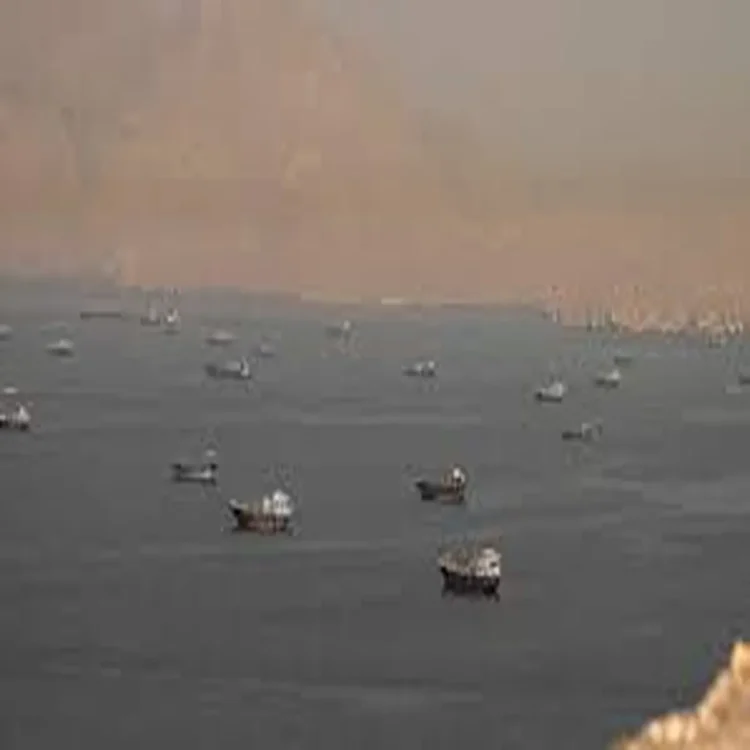
US military cites commercial shipping activity
CENTCOM said US forces have helped support the movement of more than 800 commercial ships through the Strait of Hormuz since early May. It also said the passage of around 380 million barrels of crude oil had been facilitated during that period.
In a post on X, the command addressed the Iranian claim directly, saying that reports about Tehran controlling shipping routes in the strait were incorrect. CENTCOM maintained that international shipping has continued through the area despite heightened tensions and security concerns.
The Strait of Hormuz is one of the world’s most important maritime passages. It connects the Persian Gulf with the Gulf of Oman and the Arabian Sea, and a significant share of global oil exports travels through the narrow waterway. Any disruption in the region can affect energy markets, shipping costs and supply chains across several countries.
Reports of attacks raise regional concerns
The latest exchange of statements came after reports that three vessels were attacked in the strait in recent days. Iranian authorities were reported to have accused the ships of attempting to cross the area without seeking approval from Tehran.
Those claims could not be independently verified. However, the reported incidents have added to concerns over the fragile understanding between Washington and Tehran and the risk of further escalation in the region.
The situation has drawn attention from governments, shipping companies and energy traders because of the potential consequences for international commerce. Oil-producing countries in the Gulf rely heavily on the route, while major importers in Asia and elsewhere depend on the steady flow of crude through the strait.
Tensions follow reported military exchanges
The dispute over maritime transit has unfolded alongside reports of wider military activity involving the United States, Iran and several Gulf states. Reports said US forces carried out strikes on Thursday, including in Tehran, while Iran responded with missile and drone attacks directed at multiple locations in the Gulf.
Iranian officials also reported fresh attacks inside the country on Friday. Details surrounding the reported strikes, including their scale and the extent of damage, remained unclear.
Regional tensions have remained elevated in recent months, with military developments raising fears about the security of sea lanes and the stability of oil supplies. Analysts have long warned that a prolonged disruption in the Strait of Hormuz could have an immediate effect on crude prices and freight rates.
IRGC reports missile strike in Jordan
Separately, Iran’s Islamic Revolutionary Guard Corps said it had launched 10 ballistic missiles at what it described as a US command and control centre and the Al-Azraq air base in northern Jordan. The claim was carried by Iran’s state broadcaster, Islamic Republic of Iran Broadcasting.
According to the IRGC statement, the missiles were fired at 2:20 pm as part of what it called the second phase of its response to recent US action against Tehran. The group said its aerospace forces had targeted facilities it described as enemy positions in West Asia.
There was no immediate independent confirmation of the reported missile strike or of the damage claimed by the IRGC. Authorities in Jordan and the United States had not publicly confirmed the account at the time of reporting.