
ShippingCrisis – Thousands of Seafarers Remain Stranded Amid Gulf Tensions
ShippingCrisis – A deepening humanitarian crisis is unfolding across the Persian Gulf, where nearly 20,000 sailors continue to remain trapped aboard commercial vessels as military tensions and naval restrictions disrupt one of the world’s busiest shipping corridors. The situation, centered around the Strait of Hormuz, has raised serious concern among global maritime authorities and humanitarian groups.
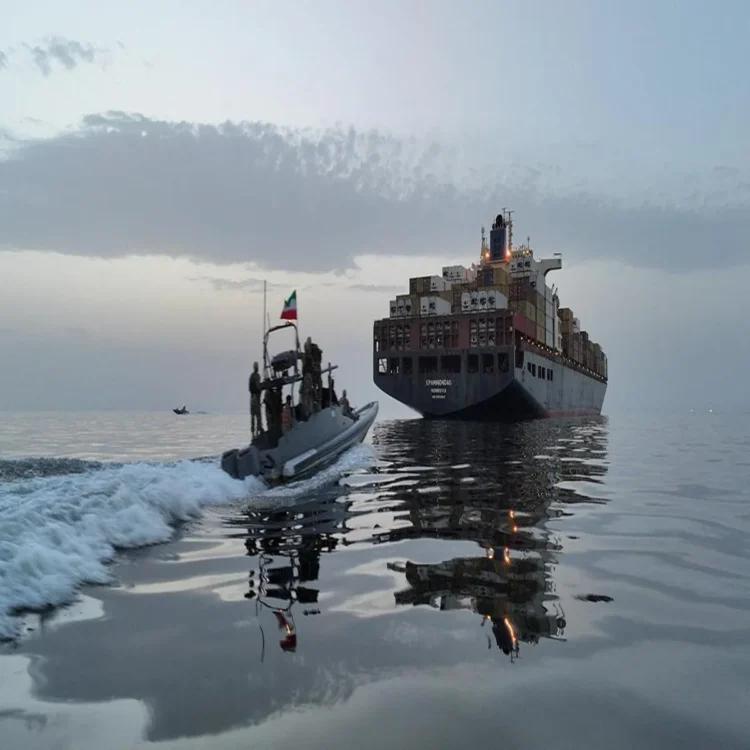
UN Warns of Escalating Maritime Emergency
International officials have described the current situation as one of the most severe disruptions the maritime industry has faced in recent history. The United Nations’ International Maritime Organization (IMO) has expressed alarm over the growing risks to crews stranded at sea for several weeks without a clear path to safety.
Damien Chevallier, who leads the IMO’s Maritime Safety Division, said the scale of the crisis is unlike anything previously experienced in the sector. Thousands of sailors are currently unable to leave the Gulf due to mounting security threats and heavy restrictions affecting regional navigation routes.
Strait of Hormuz Traffic Near Standstill
Shipping movement through the Strait of Hormuz has slowed dramatically as geopolitical tensions continue to intensify. The narrow waterway, considered one of the world’s most strategic oil transport routes, has become increasingly dangerous due to fears of drone attacks, sea mines, and military confrontation.
According to maritime officials, hundreds of ships are waiting for safe passage out of the region. Many vessel operators are reluctant to proceed because of growing uncertainty surrounding navigation permissions and naval activity near Iranian waters.
At the same time, legal and logistical complications are preventing many sailors from disembarking in nearby Gulf countries. Strict visa regulations and limited evacuation options have left crews effectively confined to their ships.
Indian Crew Members Face Harsh Conditions
Among the affected vessels is the Auroura, an oil tanker reportedly connected to Iran-linked shipping operations. The ship’s mostly Indian crew has faced worsening living conditions, including shortages of drinking water, food supplies, and medical support.
Labour representatives working with seafarers have said crew members repeatedly requested permission to return home as conditions onboard deteriorated. Reports indicate that morale among stranded sailors has sharply declined after extended weeks at sea under constant uncertainty.
Crew welfare organisations have also highlighted increasing concerns about unpaid wages and abandonment cases. Some sailors reportedly have not received salaries for several months while remaining stuck in high-risk waters.
Rising Pressure From Shipowners
Maritime unions say the crisis has exposed serious vulnerabilities within the global shipping industry. Apart from the external military dangers, stranded workers are also facing pressure from vessel operators unwilling to halt operations or release crews.
The International Transport Workers’ Federation (ITF) has documented complaints involving intimidation and verbal threats directed at sailors seeking evacuation. In some reported incidents, crew members were accused of disrupting ship operations simply for requesting permission to leave unsafe areas.
The situation aboard the Auroura reportedly became more dangerous after the vessel was hit by drones while anchored near the United Arab Emirates coast. Although some crew members later managed to leave through Oman, many others across the region continue to wait for rescue or clearance to travel home.
Seafarers Describe Fear and Isolation
Accounts from stranded crews paint a grim picture of life onboard vessels caught in the crisis. Sailors have described severe shortages of clean water and basic necessities, with some crews reportedly collecting water from air-conditioning systems for daily use.
Captains and workers stranded in the Gulf say the emotional toll has become overwhelming as uncertainty grows over when normal shipping operations might resume. Many fear that commercial interests and geopolitical disputes are overshadowing the humanitarian needs of thousands of workers at sea.
Industry groups are now urging governments and international agencies to coordinate emergency evacuation measures before conditions worsen further for crews trapped in the conflict zone.