
Shipping – South Korea Engages Iran to Protect Vessels Amid Gulf Crisis
Shipping – South Korea has stepped up diplomatic engagement with Iran as concerns grow over the safety of its ships and crew caught in the Strait of Hormuz, a key global shipping corridor currently affected by rising geopolitical tensions. According to official updates shared on Iranian social media, Seoul’s special envoy recently met Iranian Foreign Minister Abbas Araghchi in Tehran to address the situation and explore ways to ensure the safe passage of stranded vessels.
Diplomatic Efforts Focus on Maritime Safety
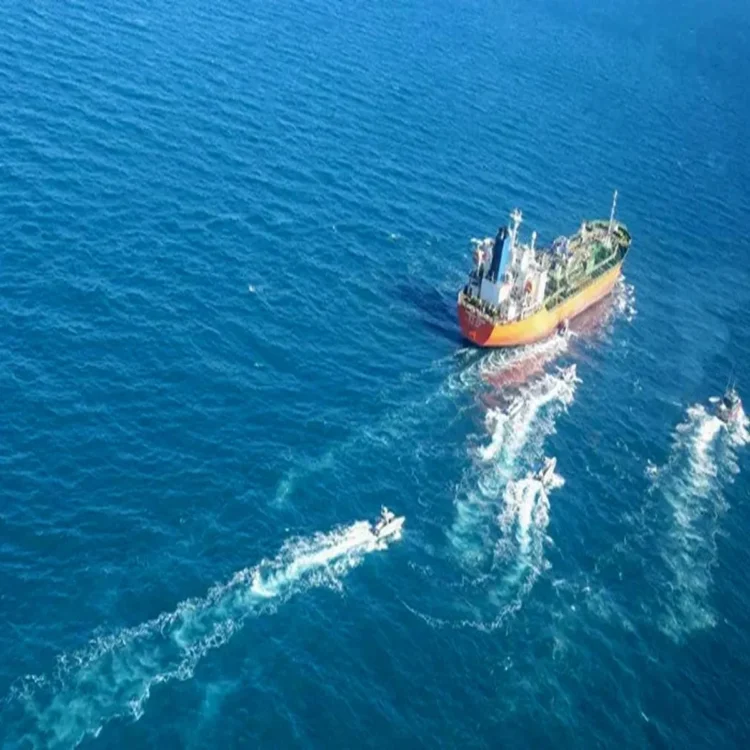
The meeting between the South Korean envoy, identified as Chung, and Iran’s top diplomat comes at a critical time when multiple international vessels remain unable to move through the strategic waterway. South Korea has confirmed that 26 ships connected to the country, along with 173 crew members, are currently unable to leave the area due to ongoing security concerns.
Officials in Seoul have been actively coordinating with Iran as well as neighboring countries in the region. They have shared detailed information about the ships and personnel involved, aiming to facilitate communication and avoid any potential escalation that could endanger lives.
Iran Signals Willingness for Cooperation
During the discussions, Chung emphasized the importance of maintaining and strengthening bilateral relations between South Korea and Iran, particularly during a period of heightened uncertainty. In response, Araghchi reportedly expressed Iran’s openness to continued cooperation, suggesting that diplomatic channels remain active despite broader regional tensions.
Iran has defended its actions in the Strait of Hormuz, describing them as necessary measures to protect national interests. Araghchi stated that any consequences arising from the current situation should be attributed to what he described as external aggression, reflecting Tehran’s stance amid the conflict.
Strait of Hormuz Disruption Raises Global Concerns
The Strait of Hormuz is one of the world’s most critical maritime routes, handling a significant share of global oil shipments. Its closure has had immediate ripple effects on international energy markets, contributing to rising concerns about supply disruptions and price volatility.
South Korea, heavily dependent on energy imports, is particularly vulnerable to instability in this region. Ensuring the safety of its vessels is not only a matter of protecting citizens but also crucial for maintaining steady energy supplies.
Escalation of Conflict in West Asia
The current crisis follows a sharp escalation in tensions across West Asia after a joint military operation by the United States and Israel targeted Iran. The strikes reportedly resulted in the death of Iran’s former Supreme Leader, Ayatollah Ali Khamenei, marking a significant turning point in the conflict.
In response, Iran launched a large-scale military campaign targeting Israel and US military installations in Gulf countries. The confrontation quickly expanded, affecting not just the involved nations but also international trade and security dynamics in the region.
Ongoing Talks Aim to Prevent Further Risks
Amid the unfolding situation, South Korea continues to prioritize diplomatic engagement to prevent further risks to its nationals and commercial interests. Authorities are maintaining close contact with all relevant parties, including both Iran and the United States, in an effort to de-escalate tensions around the stranded vessels.
While no immediate resolution has been announced, ongoing dialogue suggests that efforts are underway to find a safe and practical solution. The situation remains fluid, with global attention focused on developments in the Strait of Hormuz and their wider implications.
As the crisis evolves, the focus remains on ensuring maritime safety, stabilizing energy routes, and preventing further escalation in a region already facing significant geopolitical strain.