
Security – US Navy Redirects Iranian Vessel Amid Strait of Hormuz Tensions
Security – The United States Navy has intervened to redirect an Iranian-flagged cargo ship in the strategically vital Strait of Hormuz, according to an official statement from US Central Command.
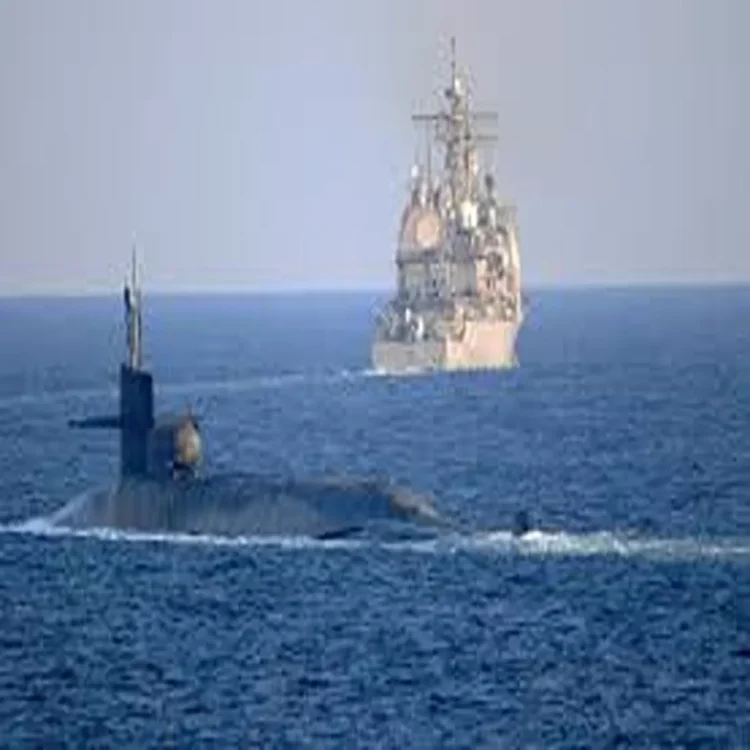
The incident occurred after the vessel departed from Bandar Abbas and attempted to move along Iran’s coastline while exiting the narrow waterway. US officials said the ship appeared to be trying to bypass restrictions currently enforced in the region. A guided-missile destroyer, identified as USS Spruance (DDG 111), responded to the situation and ensured the vessel altered its course back toward Iranian waters.
Increased Monitoring in a Strategic Waterway
The Strait of Hormuz remains one of the most critical maritime routes globally, serving as a key passage for oil shipments and international trade. In recent days, US forces have intensified monitoring activities in the area as part of a broader enforcement effort.
According to Central Command, this is not an isolated case. Since the beginning of the blockade earlier this week, a total of ten vessels have reportedly been intercepted and redirected. Officials emphasized that no ship has successfully crossed the strait in violation of the current restrictions.
Military authorities have maintained that these actions are part of a coordinated effort to control maritime traffic linked to Iran. The operation aims to disrupt economic exchanges conducted through sea routes, particularly amid heightened tensions in the region.
US Claims Full Halt of Maritime Trade
Brad Cooper, head of US Central Command, stated that American forces have effectively stopped all sea-based economic trade associated with Iran. His remarks underline the scale and seriousness of the ongoing operation.
This development comes at a time when geopolitical tensions in the Middle East remain high. The situation has drawn global attention due to its potential impact on energy markets and international shipping routes.
While there has been no confirmation of escalation beyond these interceptions, the continued enforcement of restrictions suggests that the United States intends to maintain a strong presence in the region for the foreseeable future.
Concerns Over Broader Military Focus
At the same time, developments in the Middle East are raising questions within US political and defense circles about the country’s broader strategic priorities. Senior military officials are scheduled to address these concerns during upcoming hearings in Washington.
Admiral Samuel Paparo, who leads the US Indo-Pacific Command, along with General Xavier Brunson, commander of US Forces Korea, will appear before congressional committees next week. Their testimony is expected to focus on military readiness and evolving security challenges across Asia.
The hearings follow reports that certain US defense resources, including elements of the THAAD missile defense system, have been repositioned from South Korea to support operations in the Middle East. Additionally, thousands of US Marines based in Japan have reportedly been deployed to the region.
Strategic Balance Under Scrutiny
These movements have prompted debate about whether ongoing operations in the Middle East could divert attention from other critical areas. In particular, policymakers are closely watching how the US balances its commitments in Asia, where concerns over China’s growing influence and North Korea’s advancing weapons programs remain significant.
Defense analysts suggest that maintaining strategic focus across multiple regions presents a complex challenge. While the situation in the Middle East demands immediate attention, long-term priorities in the Indo-Pacific cannot be overlooked.
As the situation continues to evolve, both military actions at sea and discussions in Washington will likely shape the next phase of US defense strategy.