
Sanctions – Russia and Ukraine Exchange Overnight Drone Strikes Despite Ceasefire
Sanctions – Russia and Ukraine exchanged fresh overnight drone attacks despite Kyiv’s newly announced ceasefire, highlighting the continuing failure of diplomatic efforts to reduce violence in the region.
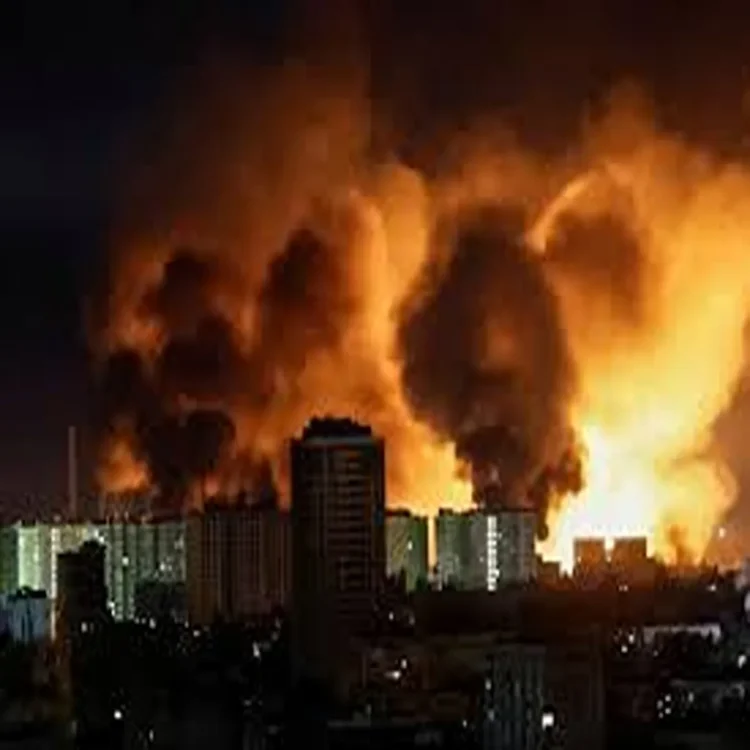
Russia launched a large wave of drones and missiles targeting several areas across Ukraine overnight, Ukrainian authorities said on Wednesday. The attacks reportedly continued into the early hours of the morning even after Kyiv declared a unilateral ceasefire beginning at midnight.
According to Ukrainian officials, Russian forces fired more than 100 drones along with several missiles during the nighttime assault. Ukrainian Foreign Minister Andrii Sybiha stated that the attacks demonstrated Moscow’s unwillingness to support broader international calls aimed at reducing hostilities and protecting civilians during the prolonged conflict.
Ukraine Reports Continued Aerial Attacks
Ukrainian President Volodymyr Zelenskyy had earlier announced a temporary ceasefire initiative, warning that any violation by Russian forces would receive a military response. The move came shortly after Russia revealed plans for its own limited ceasefire later this week during commemorations linked to the anniversary of the Soviet victory over Nazi Germany in World War II.
Despite Kyiv’s declaration, Ukrainian officials said Russian drones continued to strike multiple regions throughout the night. Authorities argued that the ongoing attacks showed little indication that Moscow intended to reduce military operations in the near future.
Sybiha criticized Russia’s actions publicly, saying repeated attacks during the ceasefire period weakened the credibility of Moscow’s statements about temporarily halting combat operations. He also urged stronger international involvement, including additional sanctions and increased support for Ukraine’s defense and civilian infrastructure.
Russia Claims Ukraine Also Violated Ceasefire
Meanwhile, Russia’s Defense Ministry accused Ukraine of carrying out its own drone operations during the same period. Russian officials claimed that air defense systems intercepted more than 50 Ukrainian drones overnight across several regions, including Crimea and areas near the Black Sea.
Moscow has continued to maintain that Ukraine failed to observe the ceasefire conditions. Russian authorities did not publicly indicate that they would fully follow Kyiv’s ceasefire proposal before the attacks occurred.
The exchange of accusations reflects the deep mistrust that has shaped relations between both sides since the war began. Temporary pauses in fighting announced during previous religious or national holidays have repeatedly failed to produce meaningful progress toward broader peace negotiations.
Diplomatic Efforts Continue to Stall
International attempts to end the conflict have struggled to deliver results as the war moves into another year of fighting. Several diplomatic initiatives led by Western countries and international organizations have so far been unable to secure a lasting ceasefire agreement between Moscow and Kyiv.
The latest escalation followed deadly Russian strikes earlier this week that Ukrainian officials said killed more than 20 people and injured dozens across the country. Civilian areas have continued to face regular missile and drone attacks, increasing humanitarian concerns among global leaders.
Analysts believe both sides remain heavily focused on military positioning while political negotiations remain stalled. Calls for additional sanctions against Russia and expanded military assistance for Ukraine have intensified following the recent attacks.
Concerns Over Regional Stability Remain High
The continued exchange of aerial strikes has raised concerns among international observers about the possibility of further escalation in the region. Governments across Europe and other allied nations continue monitoring the situation closely while urging both sides to return to meaningful negotiations.
Although temporary ceasefire announcements continue to emerge during symbolic occasions, recent developments suggest that lasting peace efforts remain difficult amid ongoing battlefield tensions and political disagreements.