
RepublicDay – Nepal Marks Nineteen Years Since Historic Republican Transition
RepublicDay – Nepal on Friday commemorated the 19th anniversary of its transformation into a republic, with official ceremonies and public events held across the country to mark the occasion. The national observance highlighted Nepal’s democratic journey and reflected on the political changes that reshaped the nation nearly two decades ago.
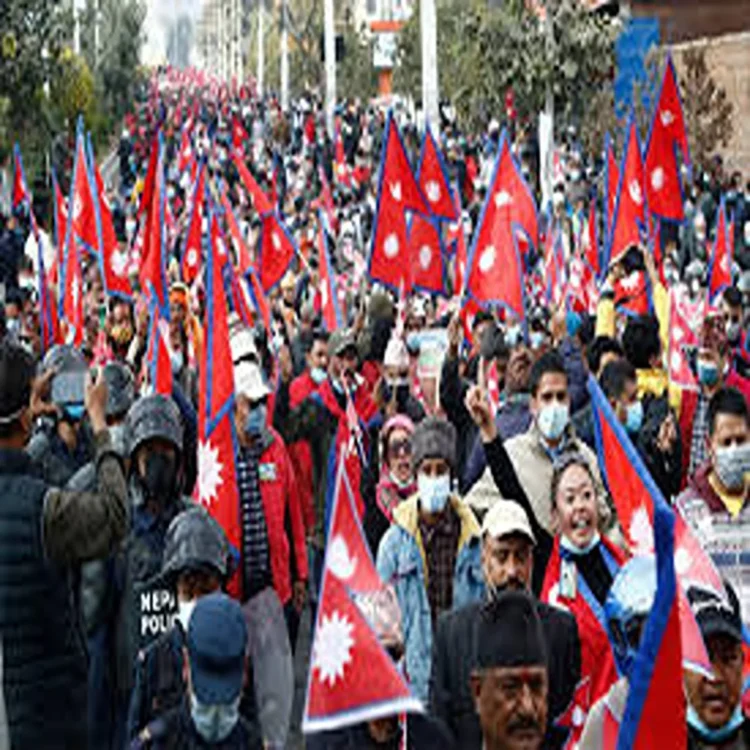
National Ceremony Held in Kathmandu
A major celebration took place at the Nepal Army Pavilion, widely known as Tundikhel, where a special procession featured cultural performances, displays representing the country’s diversity, and ceremonial parades by security agencies and civic groups. The event brought together senior state officials, members of the security forces, and representatives from different sectors of society.
Among those present were President Ram Chandra Paudel, Prime Minister Balendra Shah, Chief Justice Manoj Kumar Sharma, Speaker of the House of Representatives Dol Prasad Aryal, and National Assembly Chair Narayan Dahal. Their participation underscored the national importance of the annual observance.
President Calls for Greater Cooperation
In a message issued on the occasion, President Paudel emphasized the importance of cooperation among federal, provincial, and local governments, along with the private sector and civil society organizations. He said collective efforts remain essential for fulfilling the goals outlined in Nepal’s Constitution, including social justice, economic progress, and inclusive national development.
The President also encouraged political parties, community organizations, and other stakeholders to contribute actively to strengthening the country. According to his message, protecting national sovereignty, territorial integrity, unity, and self-respect should remain a shared responsibility while pursuing sustainable and balanced economic growth.
Remembering the Struggle for Democracy
Republic Day is observed every year on Jestha 15 in the Nepali calendar. The date marks the decision made by the first meeting of the elected Constituent Assembly in 2065 B.S. (2008 A.D.) to formally abolish the monarchy and establish Nepal as a republic.
President Paudel paid tribute to the many individuals and groups whose efforts helped bring about political change in the country. He acknowledged the contributions of leaders involved in democratic movements as well as ordinary citizens who participated in campaigns demanding political reform and greater public representation.
He also honored the memory of martyrs who lost their lives during struggles for democracy and republican governance. The President expressed hope that the anniversary would inspire stronger trust, cooperation, and solidarity among citizens across the nation.
From Monarchy to Federal Republic
Nepal’s path toward republican governance followed years of political activism and public movements. The People’s Movement of 2006 played a decisive role in ending the centuries-old monarchy and restoring democratic governance. Following that development, the Constituent Assembly convened for the first time on May 28, 2008, and officially declared Nepal a Federal Democratic Republic.
The transition was not without challenges. The first Constituent Assembly was eventually dissolved after failing to complete and adopt a new constitution within the expected timeframe. Despite those setbacks, political leaders continued negotiations and constitutional discussions in the years that followed.
Constitution Marked a New Chapter
A significant milestone was reached in 2015 when Nepal adopted its republican constitution, formally establishing a federal democratic framework. The constitution introduced a new governance structure and laid the foundation for federalism in the country.
The adoption of the constitution is also widely regarded as a major step toward concluding the long-running Maoist insurgency that had affected Nepal for a decade. Since then, the country has continued working toward institutional stability, democratic governance, and broader development goals.
As Nepal marks 19 years as a republic, the anniversary serves both as a celebration of democratic achievements and a reminder of the responsibilities involved in building a stable, inclusive, and prosperous future