
Poverty – Balochistan Records Highest Poverty Rate Amid Deepening Economic Challenges
Poverty – Balochistan’s economic struggles have intensified, with the province now identified as the poorest region in Pakistan according to the latest economic assessment. The findings indicate that a significant portion of the population continues to face financial hardship, highlighting growing concerns over employment, income stability, and access to economic opportunities.
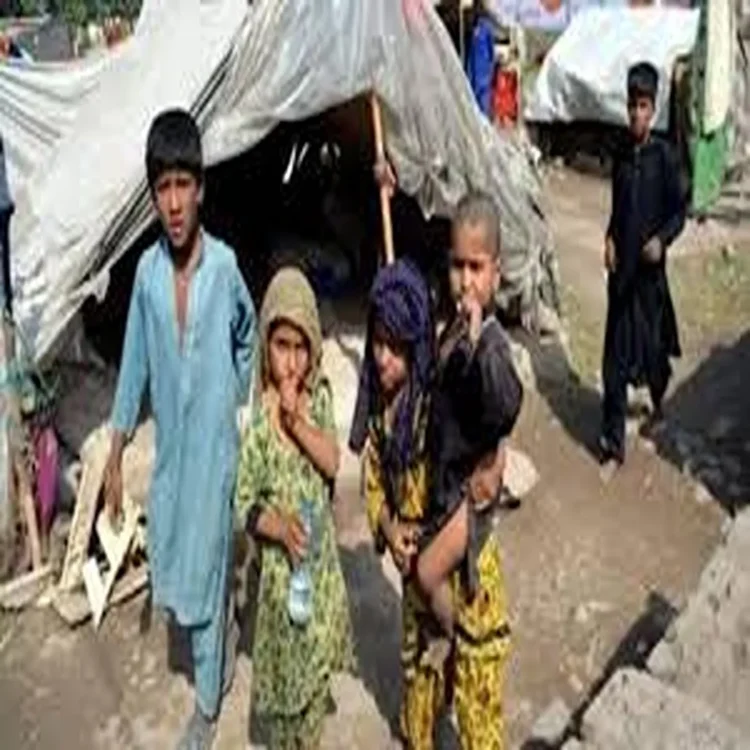
Survey Highlights Rising Poverty Levels
According to the Pakistan Economic Survey 2025–26, nearly half of Balochistan’s residents are living below the poverty threshold. The report estimates the province’s poverty rate at 47 percent, placing it substantially above the national average and underscoring the scale of economic difficulties faced by local communities.
The survey suggests that poverty in the province has been driven by a combination of long-standing structural issues. These include limited job creation, weak administrative capacity, low industrial activity, and restrictions affecting trade routes with neighboring countries.
Border Trade Restrictions Affect Local Livelihoods
Many households in Balochistan’s border regions have historically depended on small-scale cross-border commerce as a primary source of income. However, tighter regulations and the closure of several crossing points along the borders with Iran and Afghanistan have reportedly reduced earning opportunities for thousands of families.
As a result, communities that once relied on local trade networks have experienced increasing financial pressure, contributing to the broader economic difficulties observed across the province.
National Poverty Rate Remains Lower
While Balochistan continues to face severe economic challenges, the survey places Pakistan’s overall poverty rate at 28.9 percent. Although poverty remains a concern nationwide, the gap between the national figure and Balochistan’s rate highlights the province’s disproportionate economic burden.
Experts reviewing the findings note that targeted economic reforms and development initiatives may be necessary to narrow this disparity and support vulnerable populations.
Warning Over Future Economic Conditions
The survey also raises concerns about the future trajectory of poverty in Balochistan. It warns that without meaningful efforts to generate employment, strengthen public services, and encourage business activity, economic conditions could deteriorate further.
The report points out that persistent financial insecurity may continue to affect social stability and living standards if comprehensive development measures are not implemented.
Investment Challenges Add to Economic Pressure
Pakistan’s broader economic outlook has also faced setbacks in 2026 amid renewed geopolitical uncertainties. Media reports indicate that several anticipated investment projects have progressed more slowly than expected, creating additional challenges for economic recovery efforts.
A recent report published by a Karachi-based financial publication noted that security-related concerns in Balochistan have contributed to delays in the financial closure of the Reko Diq mining project, which had been widely viewed as a major opportunity for economic growth and foreign investment.
Foreign Investment Remains Limited
The same report highlighted that foreign direct investment levels have remained relatively weak, while other forms of external financial inflows have shown limited improvement apart from borrowing-related funds. Despite ongoing discussions regarding investment commitments and financial support from allied nations over the past several years, only a small portion of those expectations has translated into tangible economic activity.
The combination of high poverty levels, restricted economic opportunities, and slow investment growth continues to present significant challenges for Balochistan as policymakers seek ways to improve living conditions and support long-term development across the province.