
NuclearTalks – US and Iran Negotiations Show Progress Without Final Agreement
NuclearTalks – The United States and Iran have made noticeable headway in recent negotiations, but key disagreements continue to prevent a final agreement, according to US Vice President JD Vance. Speaking in a televised interview, Vance described the discussions as constructive overall, though critical issues remain unresolved.
Progress Made but Core Issues Persist
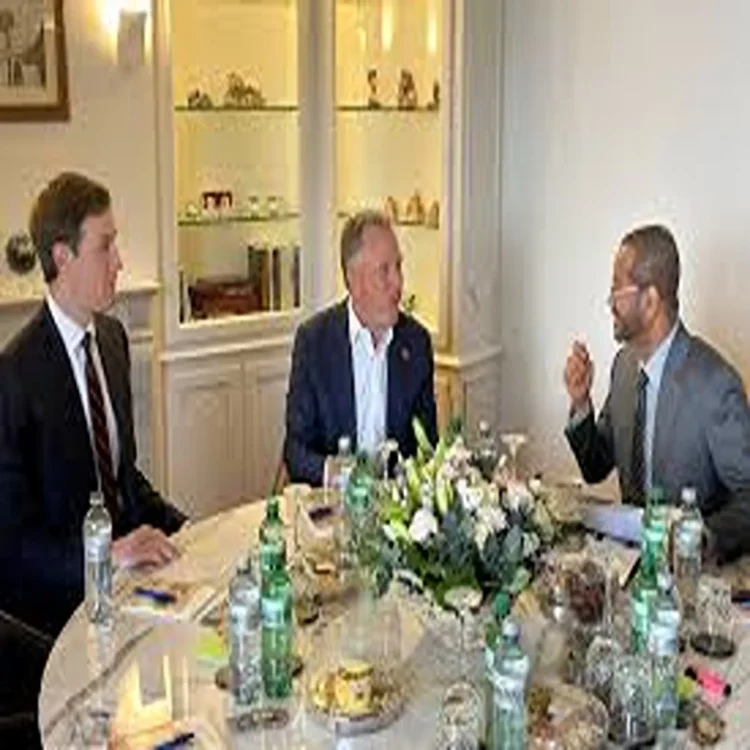
Vance noted that the talks, conducted at a high diplomatic level in Pakistan, marked a significant step forward in communication between the two countries. He emphasized that both sides were able to better understand each other’s positions, including areas where compromise might be possible and where firm boundaries remain.
While describing the outcome, Vance avoided calling the negotiations a failure. Instead, he highlighted that meaningful progress had been achieved, particularly given the rarity of such high-level engagement between Washington and Tehran.
Key US Demands on Nuclear Program
At the center of the negotiations is the United States’ firm stance that Iran must not develop nuclear weapons under any circumstances. Vance reiterated that this principle remains non-negotiable and forms the basis of all US proposals.
He outlined two primary conditions that Washington expects Iran to meet. The first is the removal of enriched uranium stockpiles from Iranian territory. The second involves a clear and verifiable commitment that Iran will not pursue nuclear weapons in the future. According to Vance, simply making a declaration is not sufficient; the US insists on reliable verification mechanisms to ensure compliance.
Negotiation Pause and Next Steps
Despite some movement in discussions, Vance indicated that Iranian representatives did not go far enough to meet US expectations. As a result, both sides have temporarily stepped back from the table to consult their respective governments.
He suggested that the next phase of talks will depend largely on Iran’s willingness to accept the conditions put forward by the United States. The responsibility, he said, now lies with Tehran to decide how to proceed.
Strait of Hormuz and Regional Concerns
Beyond nuclear issues, the negotiations are closely tied to broader regional developments, particularly the situation in the Strait of Hormuz. This vital maritime route plays a crucial role in global energy supply, and its accessibility remains a major concern.
Vance stressed the importance of fully reopening the strait, noting that while there has been some increase in shipping activity, normal operations have not yet resumed. He warned that continued disruption could significantly impact the direction of future negotiations.
US Enforcement Measures and Maritime Monitoring
Addressing enforcement, Vance confirmed that the United States is actively monitoring maritime activity linked to Iran. He stated that US forces are tracking vessels connected to Iranian ports, whether entering or leaving.
He accused Iran of attempting to pressure global trade through its actions in the region, describing such behavior as harmful to international economic stability. In response, he indicated that the US is prepared to take firm measures to counter any perceived threats to shipping routes.
Possibility of a Broader Agreement
Despite ongoing tensions, Vance expressed cautious optimism about reaching a broader agreement. He suggested that the US administration would welcome a future where Iran operates as a stable and cooperative member of the international community.
However, he made it clear that such a scenario would require Iran to abandon any ambitions related to nuclear weapons and to refrain from activities that destabilize the region.
Internal Approval Process in Iran
Vance also acknowledged that Iranian negotiators may not have full authority to finalize an agreement independently. He indicated that any potential deal would likely require approval from higher leadership within Iran, which could further delay progress.
US Leverage in Negotiations
Concluding his remarks, Vance emphasized the strategic advantages held by the United States. He pointed to both military capabilities and economic pressure as tools that strengthen Washington’s position in the talks.
According to him, these factors provide the US with significant influence as negotiations continue, even as both sides weigh their next moves.