
NuclearTalks – Mojtaba Khamenei Emerges Amid Iran’s Post-Conflict Power Shift
NuclearTalks – Iran’s newly appointed Supreme Leader Mojtaba Khamenei is increasingly being viewed as a major figure in Tehran’s strategic decision-making following the recent military confrontation involving the United States and Israel.
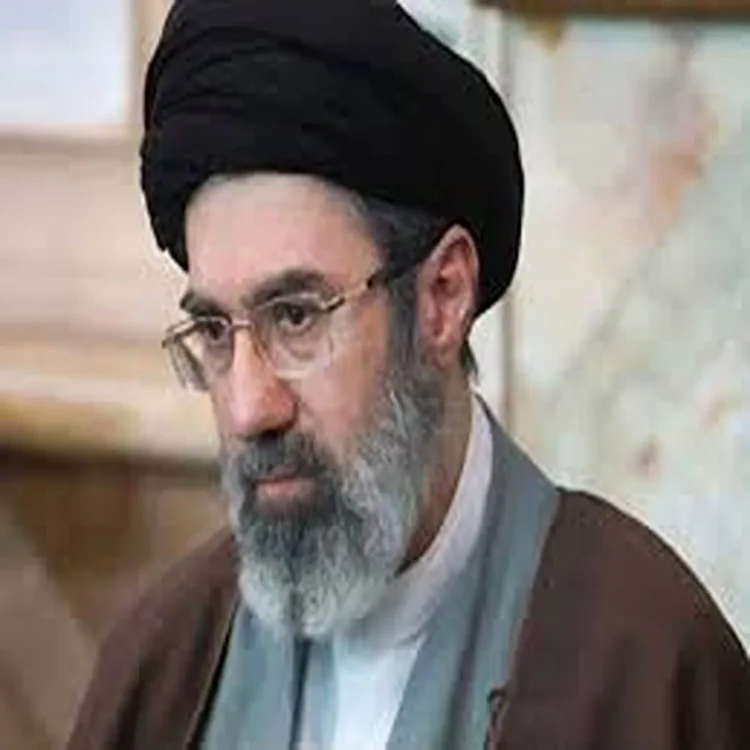
Iran’s internal leadership structure remains under close international scrutiny after intelligence assessments suggested Mojtaba Khamenei has taken an active role in shaping both military and diplomatic responses during the ongoing regional tensions. Reports citing American intelligence officials indicate that he is deeply involved in discussions related to negotiations with Washington aimed at easing the crisis that followed recent strikes on Iranian facilities.
Questions Continue Over Leadership Stability
Despite assuming a central position after the death of former Supreme Leader Ali Khamenei during the early phase of the conflict, Mojtaba Khamenei has yet to appear publicly. His absence has intensified speculation regarding both his physical condition and the extent of his authority inside Iran’s complex political system.
According to intelligence findings referenced in international media reports, American agencies have struggled to independently verify his location since the leadership transition took place. Officials familiar with the assessments reportedly described the secrecy surrounding him as highly unusual, noting that communications within Iran’s leadership circle remain extremely restricted.
Sources cited in the report claimed Khamenei has avoided electronic communication channels and is instead relying on direct meetings and trusted intermediaries to deliver instructions. The same assessments suggested he has been receiving treatment for injuries sustained during the attack that reportedly killed several senior Iranian military figures. The injuries were said to include burns and wounds affecting multiple parts of his body.
Iranian Officials Reject Health Rumours
Iranian authorities, however, have dismissed concerns regarding the new leader’s health. Mazaher Hosseini, who serves in the office of the Supreme Leader, publicly stated that Mojtaba Khamenei is recovering and remains in stable condition.
Addressing supporters, Hosseini acknowledged that Khamenei suffered injuries involving his foot, lower back, and an area near the ear during the strike. Still, he maintained that the wounds were not life-threatening and accused foreign adversaries of spreading misinformation about the situation.
He further urged the public not to speculate about the leader’s absence, saying Khamenei would address the nation when circumstances allowed.
Washington Awaits Tehran’s Reply
Meanwhile, diplomatic efforts between Tehran and Washington continue amid uncertainty over Iran’s internal political cohesion. US President Donald Trump said his administration expected a response from Iran regarding a proposed framework aimed at reducing tensions and preventing further escalation in the region.
Speaking before departing for Virginia, Trump told reporters that the United States anticipated hearing from Iranian officials later in the day. When asked whether Tehran was intentionally slowing the negotiation process, he responded that the situation remained unclear and developments would become evident soon.
US Secretary of State Marco Rubio also commented on the diplomatic process during a visit to Rome, saying Washington hoped Iran’s response would represent a constructive step toward formal negotiations.
Rubio noted that divisions within Iran’s leadership structure may be contributing to delays in communication and decision-making. He described the current system as fragmented and struggling to operate efficiently following the recent conflict and loss of senior commanders.
Iran Still Retains Strategic Capacity
US intelligence assessments reportedly indicate that although Iran suffered damage from recent military operations, the country still possesses substantial strategic and military capabilities. Analysts believe Tehran could continue operating under significant economic and logistical pressure for an extended period if necessary.
Trump also rejected descriptions of the American proposal as merely a “one-page offer,” arguing that it involved broader security conditions related to Iran’s nuclear activities and regional commitments. He further stated that verbal understandings with Tehran should be treated cautiously due to shifting positions among Iranian leadership groups.