
NuclearTalks – Iran Signals Strong Response Amid Ceasefire Uncertainty
NuclearTalks – Iran has warned that its military is fully prepared to respond firmly to any hostile action, as uncertainty grows around the fragile ceasefire agreement involving Tehran, Washington, and Israel. The latest remarks from senior Iranian officials came after renewed criticism from former US President Donald Trump regarding ongoing negotiations linked to the regional conflict.
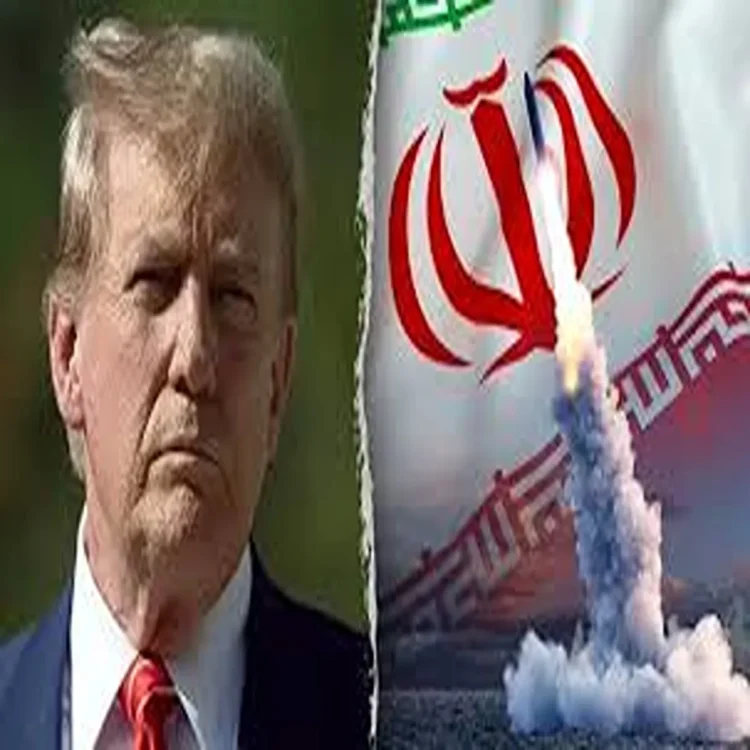
Iran Issues Fresh Military Warning
Iranian Parliament Speaker Mohammad Baqer Qalibaf stated that the country’s armed forces are ready to react decisively if any aggression occurs. In comments shared on social media platform X, he said Iran was prepared for every possible scenario and suggested that any military action against the country would bring unexpected consequences.
The statement followed Trump’s comments on Monday in which he described the ceasefire arrangement between Iran and the United States as being under serious strain. He also rejected Tehran’s latest response to a proposed American framework aimed at ending the conflict.
The exchange of statements has added fresh uncertainty to diplomatic efforts that have continued through regional mediation channels in recent weeks.
Pakistan Continues Mediation Efforts
According to reports, Iran submitted its latest response to the US proposal through Pakistani mediators on Sunday. Islamabad has remained actively involved in facilitating communication between both sides after direct negotiations earlier this year failed to produce a final agreement.
Iranian Foreign Ministry spokesperson Esmaeil Baghaei later explained Tehran’s position during a weekly media briefing. He said the country’s demands were based on what he described as Iran’s legitimate national rights and regional security concerns.
Baghaei outlined several key issues raised by Tehran, including an end to military tensions in West Asia, the removal of restrictions affecting Iranian maritime activities, the release of Iranian financial assets frozen abroad, and guarantees for secure navigation through the Strait of Hormuz.
He argued that these conditions were necessary for long-term regional stability and should not be considered unreasonable demands during negotiations.
Nuclear Program Remains a Core Dispute
Iran also reaffirmed that its nuclear program remains outside the scope of compromise in ongoing discussions with Washington.
Mohammad Eslami, head of the Atomic Energy Organization of Iran, stated on Monday that uranium enrichment and nuclear technology were not open for negotiation. Iranian state media quoted him as saying that Tehran considers its nuclear development program a sovereign right that cannot be removed from future talks.
The nuclear issue has remained one of the central disagreements between Iran and Western governments for years. International concern has repeatedly focused on uranium enrichment activities, while Iranian officials continue to insist that their program serves peaceful purposes.
Background of the Ceasefire Agreement
The current ceasefire was reached on April 8 after nearly six weeks of military confrontation involving Iran, the United States, and Israel. The conflict reportedly began on February 28 following joint US-Israeli strikes targeting Tehran and several other Iranian cities.
After the truce was announced, representatives from Iran and the United States met in Islamabad on April 11 and 12 for a round of peace negotiations. However, those discussions ended without a breakthrough.
Diplomatic communication has continued indirectly since then, with multiple proposals reportedly exchanged through Pakistani officials. These plans are believed to include conditions related to regional security, economic restrictions, maritime access, and future diplomatic guarantees.
Regional Stability Remains Uncertain
Analysts believe the future of the ceasefire may depend on whether both sides can narrow differences on security and nuclear-related concerns. The Strait of Hormuz, one of the world’s most strategically important oil transit routes, also remains a major point of concern for global markets and regional governments.
Despite ongoing negotiations, the latest statements from Iranian leaders suggest that Tehran is maintaining a firm position both militarily and politically. At the same time, diplomatic efforts through regional intermediaries continue in an attempt to prevent renewed escalation in the Middle East.