
Nuclear Talks – US and Iran Signal Steps Toward Agreement
Nuclear Talks – Efforts to revive a nuclear understanding between the United States and Iran have gained fresh momentum, with Oman playing a central mediating role. Omani Foreign Minister Badr Albusaidi said discussions have achieved “substantial progress” and suggested that a workable agreement is now within reach. His remarks came shortly after US President Donald Trump publicly expressed dissatisfaction with the pace and direction of the negotiations.
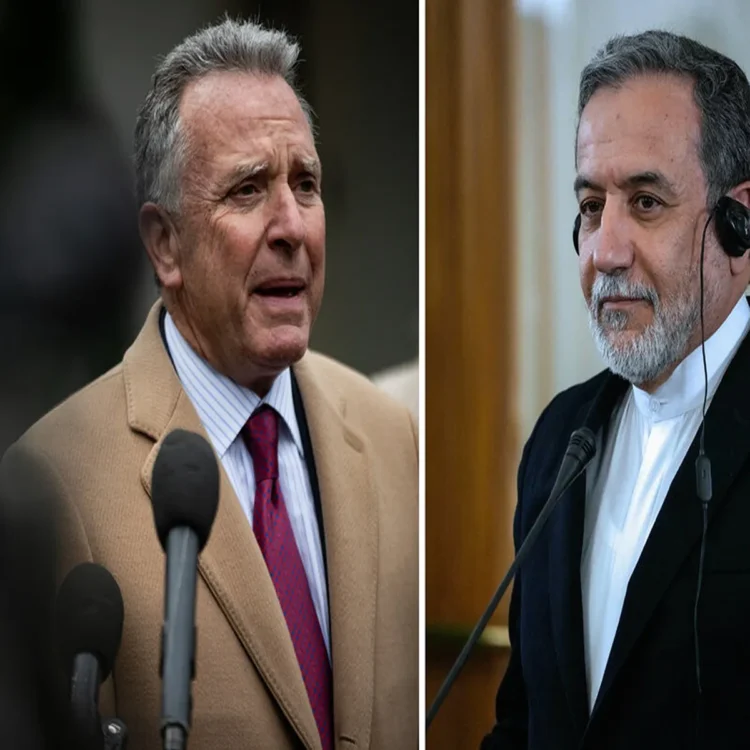
Mediation Efforts Show Signs of Movement
Speaking to CBS News, Albusaidi described recent exchanges between Washington and Tehran as constructive. He indicated that Iran has committed to ensuring it will not pursue nuclear material capable of producing a bomb, characterizing the assurance as a significant breakthrough in the talks.
According to Albusaidi, one of the key elements under discussion involves Iran’s existing reserves of enriched uranium. He explained that these stockpiles would be diluted to the lowest possible enrichment level and then converted into nuclear fuel. Importantly, he said, once transformed into fuel, the material could not be reverted to weapons-grade form, offering a layer of technical reassurance to the international community.
Oman has long served as a discreet intermediary in regional disputes, and Albusaidi’s comments reflect renewed diplomatic energy behind closed doors. While specific technical details of the proposed framework have not been publicly released, the mediator’s assessment suggests that negotiators are narrowing gaps on core issues.
Trump Voices Concerns Over Negotiation Terms
Despite the cautiously optimistic tone from Muscat, President Trump struck a more reserved note while speaking to reporters before departing the White House for a trip to Texas. He acknowledged ongoing dialogue but said he remains dissatisfied with Iran’s current position.
“I’m not happy with the fact that they’re not willing to give us what we have to have,” Trump said. He added that no final decision has been made regarding potential military action against Iran, underscoring that discussions are still underway.
The president reiterated a longstanding US position that Iran must not acquire nuclear weapons. While he stated a preference to avoid the use of American military force, he also indicated that all options remain under consideration.
Rising Regional Tensions
The nuclear negotiations are unfolding against a backdrop of heightened strain in the Middle East. The United States has expanded its military presence in the region in recent weeks, a move widely viewed as a signal of preparedness amid stalled diplomacy.
On Friday, the US State Department authorized the departure of non-emergency government personnel and their families from Israel, citing security concerns. The precautionary step reflects broader unease as diplomatic efforts continue without a finalized agreement.
Analysts note that while both sides have publicly reaffirmed their positions, neither Washington nor Tehran appears eager for open confrontation. Instead, back-channel communication and mediation through Oman suggest that diplomacy remains active, even as rhetoric occasionally sharpens.
Uncertain Path Ahead
The coming days are expected to be critical for determining whether the current round of talks can produce a formal agreement. Any deal would likely address uranium enrichment limits, verification measures, and phased relief from economic sanctions.
For now, both sides appear to be balancing negotiation with strategic signaling. Oman’s optimistic assessment contrasts with President Trump’s caution, highlighting the complex nature of the discussions.
As diplomatic channels remain open, the international community will be watching closely to see whether the reported progress can translate into a concrete framework that reduces nuclear risks and stabilizes the region.