
Nuclear Talks – Iran Rejects US Media Claims Amid Ongoing Negotiations
Nuclear Talks – Iran’s parliament speaker has strongly denied reports suggesting that Tehran and Washington are close to reaching a major agreement, while discussions between the two countries continue behind closed doors.
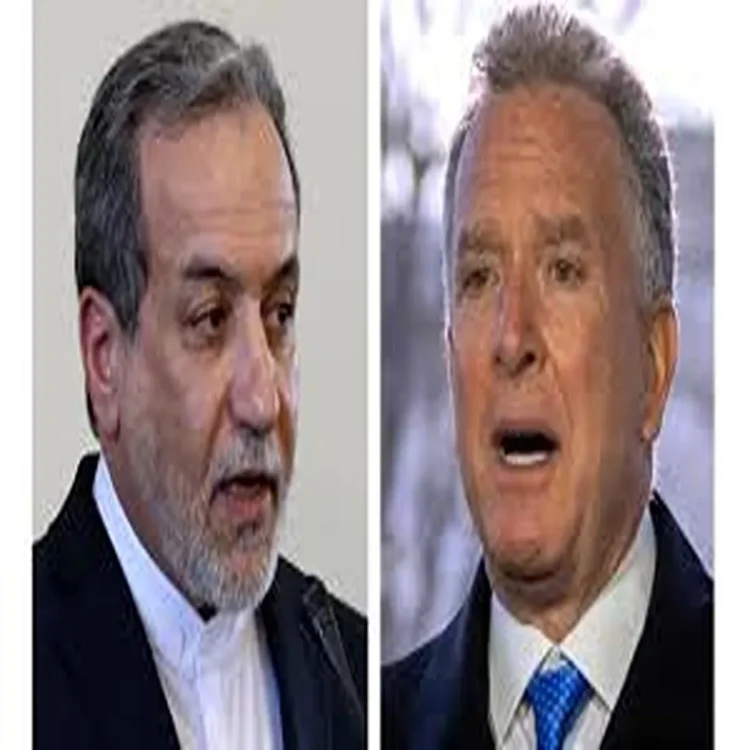
Iranian Parliament Speaker Mohammad-Bagher Ghalibaf on Thursday criticised recent American media reports about a possible understanding between Iran and the United States, calling them inaccurate and misleading. According to Iranian state broadcaster Press TV, Ghalibaf accused several US outlets of repeatedly publishing unverified claims related to Tehran’s diplomatic activities.
Iranian Leadership Questions Foreign Media Reports
In a message posted on social media platform X, Ghalibaf mocked a recent report published by Axios and described it as another example of unreliable reporting. He suggested that similar stories had surfaced many times in the past and were later disproved by events. Iranian officials, he said, have consistently rejected such reports as baseless speculation.
The comments came as fresh details emerged about ongoing diplomatic contacts between Tehran and Washington. Several reports from US media outlets claim that discussions are progressing toward an interim arrangement aimed at lowering tensions and creating space for broader nuclear negotiations.
Proposed Framework Focuses on Temporary Ceasefire
According to the reported proposal, negotiators are considering a short preliminary framework that could temporarily pause military escalation and open a month-long period for formal negotiations. The draft reportedly contains multiple points covering nuclear activity, sanctions relief, and regional stability.
Under the reported terms, Iran could agree to briefly suspend uranium enrichment activities. In return, the United States may begin easing certain economic sanctions and release frozen Iranian financial assets held abroad. Discussions are also said to include measures aimed at reducing pressure in the Strait of Hormuz, one of the world’s most strategically important shipping routes.
However, officials familiar with the negotiations have reportedly cautioned that many provisions remain conditional and dependent on future agreements. Diplomatic sources continue to warn that disagreements could still derail progress at any stage.
Disagreement Continues Over Uranium Restrictions
One of the biggest unresolved issues involves the duration of restrictions on Iran’s uranium enrichment program. Reports suggest the United States is pushing for a long-term suspension lasting as much as two decades, while Iran prefers a significantly shorter timeline. Diplomats involved in the talks are believed to be exploring a middle-ground formula.
The proposal could eventually allow Iran to resume limited uranium enrichment under strict international supervision after the moratorium period ends. Tehran would also reportedly be expected to formally commit to avoiding the development of nuclear weapons capabilities.
American officials are additionally discussing tighter monitoring measures, including expanded inspections by international nuclear watchdogs. Another sensitive issue under consideration is the future of Iran’s highly enriched uranium stockpile, with several possible options reportedly being reviewed by negotiators.
Washington Remains Cautious About Final Agreement
Despite signs of diplomatic movement, officials in Washington remain uncertain about whether Iran’s leadership can reach a unified internal position. Concerns reportedly persist within the White House regarding divisions among senior Iranian decision-makers.
US Secretary of State Marco Rubio acknowledged that negotiations remain technically complicated and may require considerable time before any final agreement can be completed. He stressed the importance of defining clear commitments and mutually acceptable concessions before moving ahead.
Diplomatic contacts are reportedly being managed through both direct communication channels and third-party intermediaries. If a temporary framework is approved, future technical discussions could reportedly take place in cities including Geneva or Islamabad.
The coming days are expected to play an important role in determining whether the negotiations move toward a formal agreement or face renewed setbacks. While diplomats describe the talks as a meaningful opportunity to reduce tensions, uncertainty continues to surround the outcome.