
NATOReview – Pentagon Signals Major Reassessment of US Military Role in Europe
NATOReview – US Defense Secretary Pete Hegseth has announced a comprehensive six-month review of American military deployments across Europe, signaling a potentially significant shift in the United States’ role within the North Atlantic Treaty Organization (NATO). Speaking during a meeting of NATO defense ministers in Brussels on Thursday, Hegseth said the assessment would focus on whether European nations are prepared to assume greater responsibility for their own defense and regional security.
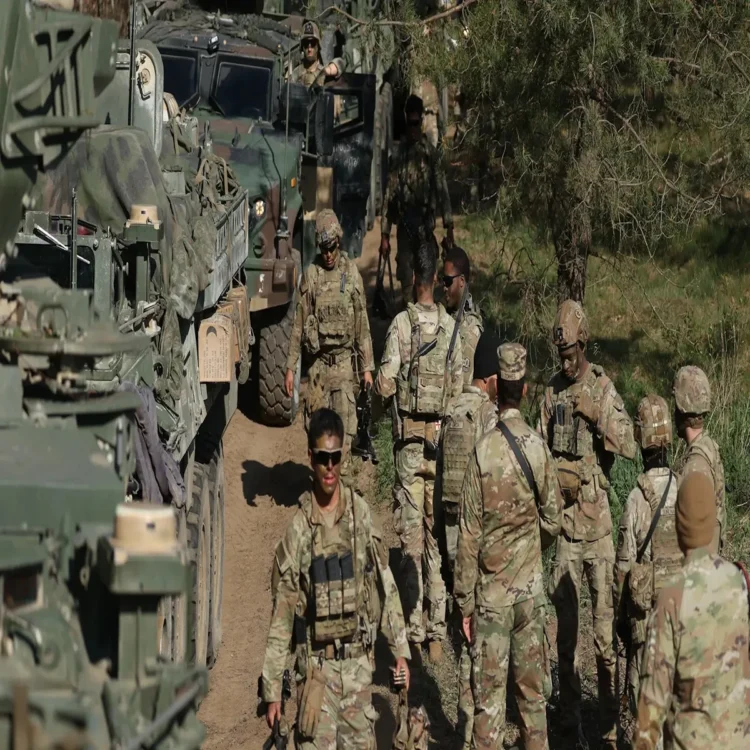
According to Hegseth, the Pentagon review is intended to evaluate how quickly NATO members in Europe are advancing toward a framework in which European countries take the lead in safeguarding the continent. He emphasized that the assessment would be conducted seriously and would influence future decisions regarding the presence and responsibilities of US forces stationed across Europe.
Focus on European Defense Responsibilities
Addressing fellow defense ministers, Hegseth argued that European allies must accelerate efforts to strengthen their military capabilities and reduce dependence on the United States. He stated that Washington expects European nations to play a larger role in maintaining regional stability and responding to potential security threats.
The announcement reflects broader discussions within the current US administration regarding the future structure of NATO and the balance of responsibilities among member states. American officials have increasingly urged allies to boost defense spending and expand military readiness as global security challenges continue to evolve.
Criticism Over Military Access During Iran Operations
Hegseth also voiced frustration over what he described as restrictions placed on US military operations by some European allies. He criticized certain countries for not providing access to military facilities, airspace, and logistical support that American forces sought for operations connected to Iran.
According to the defense secretary, such limitations created operational challenges and increased risks for US personnel. He argued that long-standing alliance commitments should ensure predictable military cooperation among NATO partners during periods of heightened tension.
Remarks Extend Beyond Defense Policy
In addition to defense matters, Hegseth criticized several domestic policy priorities pursued by European governments. He suggested that issues such as migration management and social policy had, in some cases, received greater attention than military preparedness.
His comments echoed themes previously raised by senior figures in the Trump administration and are likely to generate debate among European leaders. Critics have noted that many of Hegseth’s characterizations do not fully reflect current policy developments across Europe.
NATO Allies Increasing Military Spending
Recent NATO data indicate that European member states and Canada have substantially increased defense investment. NATO Secretary-General Mark Rutte noted that allies collectively increased defense spending by approximately $90 billion last year, representing a significant year-on-year rise.
Many NATO countries have also launched initiatives to expand armed forces, modernize equipment, and strengthen military readiness in response to ongoing security concerns. At the same time, several European governments have implemented stricter migration controls compared with policies seen a decade ago.
NATO’s Future Structure Under Discussion
Hegseth said the administration envisions a modernized alliance structure, sometimes referred to as “NATO 3.0,” designed to respond more effectively to emerging threats. The discussion comes amid growing concern about how NATO would operate if the United States reduces certain military contributions during future crises.
Earlier this month, Washington informed allies that some military assets traditionally expected in a NATO emergency response may no longer be automatically available. Military planners are now examining alternative arrangements to ensure the alliance maintains its deterrence and defense capabilities.
Continued Commitment to Nuclear Deterrence
Despite discussions about adjusting conventional military support, the United States has indicated that it does not intend to remove its nuclear weapons from Europe. NATO leaders continue to view nuclear deterrence as a central component of the alliance’s security strategy.
At Thursday’s gathering, NATO’s Nuclear Planning Group released its first formal statement in nearly two decades. Member nations reaffirmed the importance of the alliance’s nuclear deterrent and agreed to continue modernizing nuclear capabilities while strengthening planning mechanisms to address future security challenges.
T