
MiddleEastConflict – Israel Strikes Southern Lebanon Amid Ceasefire Concerns
MiddleEastConflict – Israel carried out a series of overnight military operations across southern Lebanon, according to official statements released on Friday, while Hezbollah reported heavy clashes in several locations. The renewed violence has raised fresh concerns about the future of a recently announced agreement between Iran and the United States aimed at ending hostilities across multiple fronts in the region.
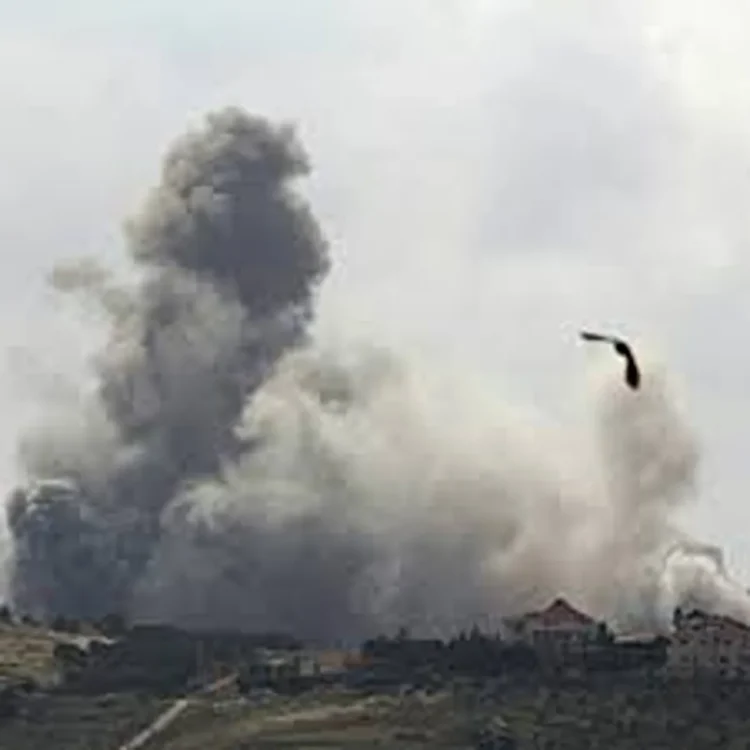
Airstrikes Reported Across Southern Lebanon
Lebanon’s National News Agency stated that at least 16 people lost their lives in Israeli airstrikes that struck several areas overnight. Israeli military officials confirmed that operations were conducted throughout southern Lebanon and indicated that military actions were still continuing at the time of the announcement.
The latest escalation comes at a sensitive moment, as international efforts are underway to stabilize the region following years of conflict involving Israel, Iran, and Iran-backed armed groups operating in neighboring countries.
Israeli Military Reports Soldier Casualties
Alongside reports of casualties in Lebanon, Israel’s military announced that four of its soldiers were killed during combat operations in southern Lebanon. Authorities identified one of the deceased officers as a lieutenant colonel, while the identities of the remaining soldiers were expected to be released later.
Military officials did not immediately provide additional operational details, but the announcement highlighted the continuing risks faced by troops deployed in the conflict zone.
Fragile Agreement Faces New Challenges
The ongoing fighting has cast doubt on the durability of the recently signed understanding between Washington and Tehran. The agreement called for an immediate suspension of military activity across all active conflict areas, including Lebanon, where Israeli forces have been engaged in operations against Hezbollah.
The deal also emphasized respect for Lebanon’s territorial integrity and sovereignty. However, continued military engagements on the ground could complicate efforts to implement those commitments and maintain momentum toward broader regional stability.
Netanyahu Maintains Position on Military Presence
Israeli Prime Minister Benjamin Netanyahu has maintained that Israeli forces will remain active in Lebanon until security concerns linked to Hezbollah are fully addressed. His government has argued that withdrawing troops before eliminating perceived threats could place Israeli communities at risk.
The issue has become increasingly significant domestically as Israel approaches national elections later this year, with security remaining one of the dominant topics in political debate.
Switzerland Talks Delayed Amid Regional Tensions
Diplomatic efforts intended to build on the initial Iran-US agreement also encountered setbacks. Planned discussions in Switzerland, designed to explore a more permanent framework for ending the wider conflict, were postponed.
US Vice President JD Vance had been scheduled to lead the American delegation but delayed his trip on Thursday. The White House attributed the postponement to logistical challenges. However, the announcement followed media reports suggesting that Iran was reconsidering the timing of its participation due to continuing Israeli military actions in Lebanon.
The delay has added uncertainty to diplomatic efforts that many international observers viewed as an important step toward reducing tensions in the region.
Trump Administration Pushes for Stability
The preliminary agreement between the United States and Iran was signed on Wednesday by US President Donald Trump during a meeting with French President Emmanuel Macron at the Palace of Versailles in France. The accord took effect immediately and was presented as a foundation for future negotiations aimed at achieving a lasting settlement.
Following the signing, Vice President Vance publicly emphasized the importance of maintaining diplomatic progress. He also underscored Washington’s role in supporting regional security while encouraging all parties to avoid actions that could undermine ongoing negotiations.
As military operations continue and diplomatic discussions face delays, international attention remains focused on whether the fragile peace initiative can withstand mounting pressures on the ground.