
MaritimeSecurity – South Korea Backs Global Call Over Strait of Hormuz Tensions
MaritimeSecurity – South Korea has decided to align with a group of leading nations in condemning recent actions by Iran that have raised concerns over shipping safety in one of the world’s most critical waterways.
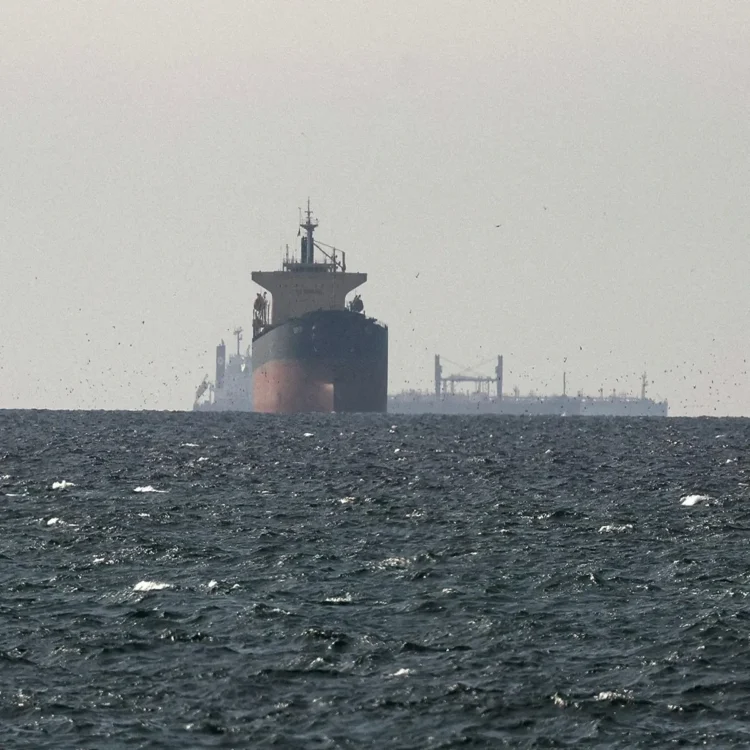
South Korea announced on Friday that it will support a joint international statement criticizing Iran’s recent activities in the Gulf region, particularly those affecting the Strait of Hormuz. The move places Seoul alongside countries such as the United Kingdom, France, Germany, Italy, Japan, the Netherlands, and Canada, all of which have voiced strong concern over escalating tensions and threats to maritime navigation.
Concerns Over a Critical Global Shipping Route
The Strait of Hormuz holds immense strategic importance, acting as a key transit point for nearly one-fifth of the world’s oil and gas supplies. Any disruption in this narrow waterway can have immediate and far-reaching consequences for global energy markets and supply chains.
In their joint statement, the participating nations urged Iran to halt actions that could interfere with the free movement of vessels. They emphasized the need to respect international maritime laws, particularly the principle of freedom of navigation, which ensures that commercial and civilian ships can pass through international waters without obstruction.
South Korea’s Strategic and Economic Considerations
Seoul’s foreign ministry explained that its decision reflects a broader commitment to safeguarding international sea routes. The ministry highlighted that any instability in the Strait of Hormuz could directly affect South Korea’s energy imports and overall economic stability.
Officials noted that the country’s participation in the statement is consistent with its long-standing position on maintaining secure and open maritime channels. South Korea relies heavily on imported energy, much of which passes through this region, making the issue particularly significant for its national interests.
Commitment to International Cooperation
By joining the statement, South Korea has signaled its willingness to collaborate with the global community in ensuring safe passage through the Strait. The government also indicated that it would continue to engage with international partners to help restore stability in global shipping networks as quickly as possible.
Authorities stressed that maintaining uninterrupted maritime logistics is essential not only for energy supplies but also for broader international trade, which depends on predictable and secure sea routes.
Shift From a Previously Cautious Approach
South Korea’s latest move marks a shift from its earlier, more reserved stance on the issue. Previously, the government had been cautious in responding to calls for direct involvement in the region, particularly after the United States urged its allies to contribute naval support to keep the Strait open.
While discussions with Washington and other partners have been ongoing, Seoul had initially refrained from committing to any specific actions. The presidential office had earlier stated that it was carefully evaluating options that would both support international stability and align with national priorities.
International Pressure and Diverging Responses
The issue has also highlighted differing levels of commitment among U.S. allies. Some countries named by Washington have shown reluctance to take on a more active role in securing the waterway, reflecting the complex political and military considerations involved.
Meanwhile, strong remarks from U.S. leadership have added another layer of tension, as allies face pressure to balance their strategic interests with broader international expectations.
Looking Ahead
South Korea’s decision to join the joint statement underscores its intention to play a constructive role in addressing global security challenges, particularly those affecting vital economic lifelines. While the situation in the Strait of Hormuz remains uncertain, coordinated diplomatic efforts such as this signal a shared commitment among nations to prevent further escalation and protect international trade routes.
As developments continue, the focus will remain on ensuring stability in the region and minimizing disruptions that could impact global markets and energy supplies.