
MaritimeSecurity – Deadly Confrontation Off Cuban Coast Under Investigation
MaritimeSecurity – Four people were killed and six others injured early Wednesday after an exchange of gunfire between Cuban border guards and a US-registered speedboat near the island’s northern shoreline, according to officials in Havana. The incident unfolded in waters off Villa Clara province and is now under investigation by authorities in both countries.
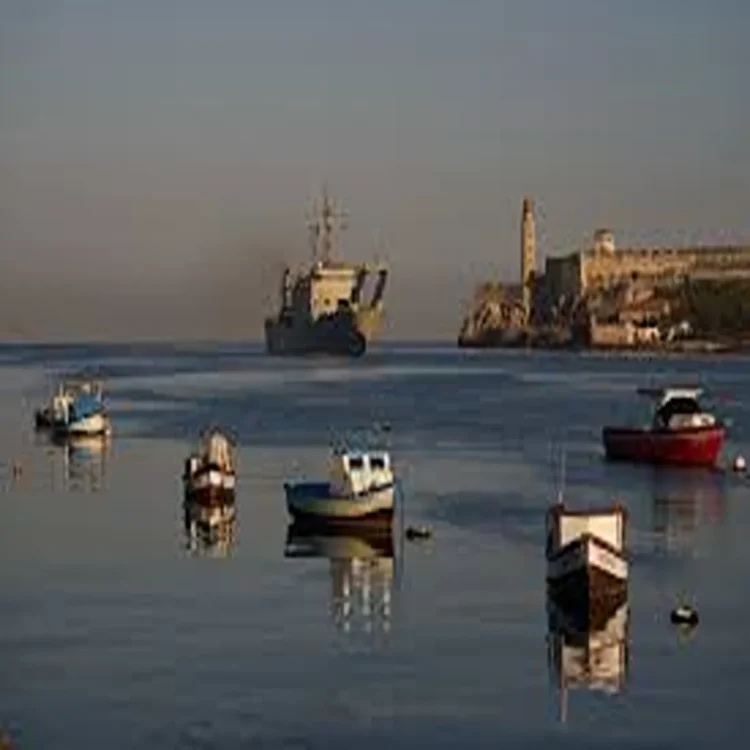
Clash Reported Near Villa Clara Coast
Cuba’s Ministry of the Interior said the vessel, registered in the US state of Florida, entered Cuban territorial waters shortly after dawn. The boat was reportedly detected about one nautical mile northeast of the El Pino channel, close to Cayo Falcones in the Corralillo municipality.
According to the ministry, a patrol unit from Cuba’s Border Guard Troops approached the speedboat to carry out an identification check. The Cuban unit was staffed by five service members at the time. Officials allege that as the patrol neared the vessel, individuals aboard the speedboat opened fire, wounding the Cuban commander leading the operation.
Border guards then returned fire. Cuban authorities confirmed that four people on the speedboat were killed during the confrontation, while six others were injured. The wounded were transported for medical treatment. No further details about their identities have been released.
Statement From Cuban Officials
In a public message shared by the Cuban Embassy in the United States on social media platform X, officials described the boat as a “violating speedboat” operating within Cuban waters. The statement specified that the vessel carried Florida registration number FL7726SH and had entered an area under Cuban jurisdiction.
The embassy reiterated that Cuban forces acted in response to gunfire from the approaching vessel. Authorities said investigations remain ongoing to clarify the sequence of events and determine responsibility.
Cuban officials emphasized that safeguarding territorial waters remains a central component of national defense policy. The government framed the response as consistent with its longstanding position on protecting sovereignty and maintaining regional stability.
US Response Awaited
As of Wednesday evening, there was no formal public statement from Washington addressing the incident in detail. However, US Secretary of State Marco Rubio indicated that American authorities would review the facts surrounding the confrontation.
It remains unclear what the speedboat was doing near Cuban waters or who was on board. US agencies are expected to examine registration records and other available evidence as part of their inquiry.
Historical Context of Tensions
Relations between the United States and Cuba have been strained for decades. Diplomatic friction intensified after the Cuban Revolution in 1959 and deepened during the Cold War, when Havana aligned itself with the Soviet Union. Episodes such as the Bay of Pigs invasion and longstanding trade embargoes have shaped a complex bilateral history.
Although there have been periods of cautious engagement, disputes over migration, sanctions, and regional alliances continue to influence ties between the two nations. Maritime incidents, while relatively rare, carry the potential to heighten diplomatic sensitivity.
Broader Regional Implications
The confrontation comes at a time of shifting political dynamics in Latin America. Cuba’s economic challenges have been compounded by changing regional alliances and economic pressures. Developments involving Venezuela, a longtime partner of Havana, have also raised concerns about broader stability in the Caribbean basin.
For now, both governments appear focused on gathering verified information before drawing conclusions. Officials in Havana have said that competent authorities are continuing to review evidence and witness accounts.
As investigations proceed, the episode underscores the delicate balance surrounding maritime security and cross-border navigation in contested or closely monitored waters.