
IraqGovernment – Iraq Parliament Approves Partial Cabinet Under New Prime Minister
IraqGovernment – Iraq officially entered a new political phase after Prime Minister Ali al-Zaidi and several members of his newly formed Cabinet took the constitutional oath before parliament, despite lawmakers postponing decisions on a number of influential ministries.
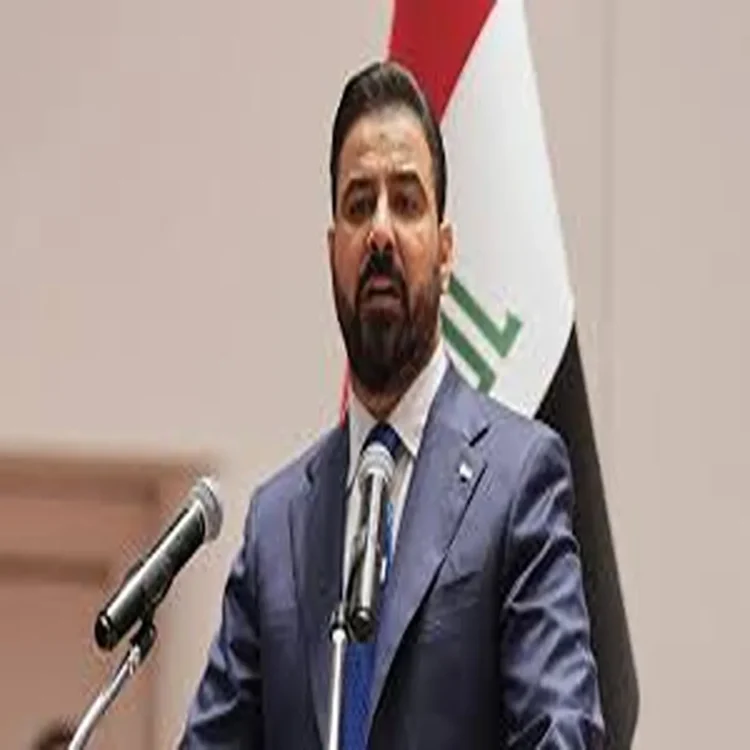
The Iraqi parliament approved 14 Cabinet ministers during a session attended by hundreds of lawmakers in Baghdad. However, discussions over several sensitive portfolios, including the defense and interior ministries, remained unresolved as political parties continued negotiations behind closed doors.
Parliament Clears Majority of Cabinet Picks
The parliamentary session, chaired by Speaker Haibet al-Halbousi, saw broad support for the proposed ministers. According to official parliamentary figures, 266 lawmakers voted in favor of approving the 14 Cabinet members presented by Prime Minister Ali al-Zaidi.
Among the ministers who secured approval were Fuad Hussein, who retained his position as foreign minister, Basim Mohammed Khudair as oil minister, and Faleh al-Sari, who was selected to oversee the finance ministry.
Lawmakers decided to delay voting on the remaining positions to provide political blocs additional time to finalize agreements on candidates for the unresolved ministries. The defense and interior ministries are considered among the most influential roles within Iraq’s government due to their responsibilities related to national security and internal stability.
Constitutional Process Moves Forward
Following the parliamentary confidence vote, al-Zaidi and the approved ministers formally took the constitutional oath, allowing the government formation process to continue under Iraq’s legal framework.
Under the Iraqi constitution, a prime minister-designate must present both a government program and Cabinet lineup to parliament for approval before officially assuming office. The constitution also requires this process to be completed within 30 days of receiving the nomination.
President Nizar Amedi had appointed Ali al-Zaidi as prime minister-designate on April 27 after he was nominated by the Coordination Framework, the country’s largest parliamentary alliance dominated by Shiite political groups.
Political observers view the current negotiations over the remaining ministries as part of Iraq’s long-standing coalition-based governing system, where major political factions often bargain extensively over senior government positions.
Iraq’s Power-Sharing Structure Remains Central
Since the political system established after 2003, Iraq has continued to follow an informal power-sharing arrangement among its major ethnic and sectarian communities. Under this structure, the presidency is traditionally held by a Kurdish leader, the parliamentary speakership is assigned to a Sunni Muslim politician, and the prime minister’s office is reserved for a Shiite Muslim figure.
This arrangement has played a significant role in shaping coalition negotiations and ministerial appointments over the years, particularly when parties attempt to balance political influence across different groups.
Analysts believe the delayed approval of some ministries reflects the complexity of maintaining consensus within Iraq’s fragmented political environment.
Donald Trump Signals Support for Baghdad Government
Earlier this month, US President Donald Trump publicly congratulated Ali al-Zaidi following his nomination as Iraq’s next prime minister, indicating Washington’s support for the formation of a new government in Baghdad.
In a message shared on his social media platform, Trump praised al-Zaidi and expressed optimism about future cooperation between Iraq and the United States.
He stated that the United States hoped the incoming Iraqi administration would strengthen governance, improve security conditions, and move the country toward greater stability.
Trump also highlighted the possibility of expanding bilateral relations during al-Zaidi’s tenure, describing the development as an opportunity for closer political and economic engagement between the two countries.
The statement reflected continued US interest in Iraq’s political direction amid ongoing regional security concerns and efforts to maintain diplomatic cooperation with Baghdad.
Although several Cabinet positions are still awaiting parliamentary approval, the successful confirmation of most ministers marks a major step toward establishing Iraq’s next government and restoring political momentum after weeks of negotiations.