
Iran Funeral – Khamenei Burial Ceremonies Set to Span Iran and Iraq
Iran Funeral – Iranian authorities are preparing for several days of mourning ceremonies for the late Ayatollah Ali Khamenei, whose funeral is expected to move through major religious and political centres in Iran and Iraq. The events, beginning Saturday in Tehran, will mark the first large-scale public commemoration since his death during the war involving Iran, the United States and Israel.
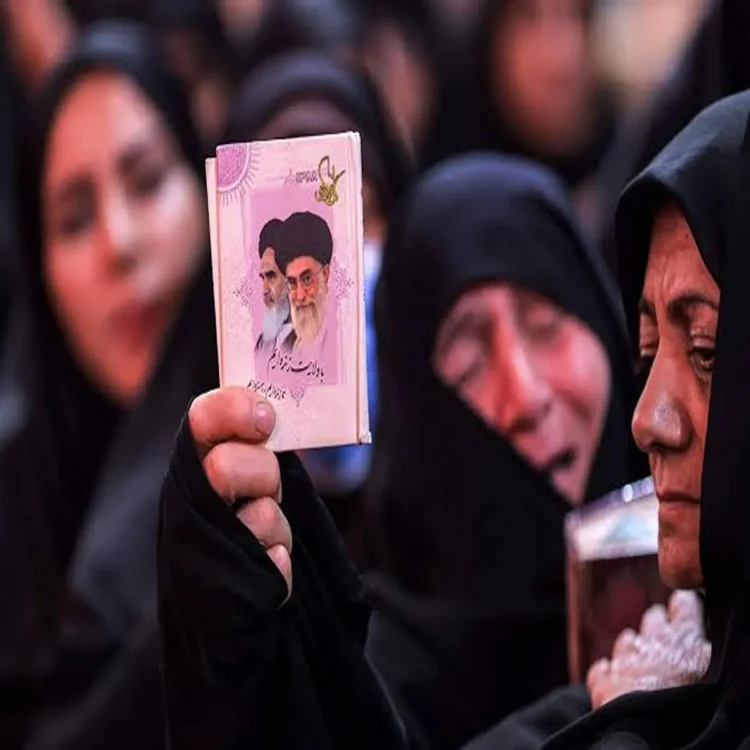
Funeral arrangements across multiple cities –
Khamenei’s body is scheduled to lie in state at Tehran’s Grand Mosalla on Saturday and Sunday, allowing mourners to pay their respects. On Monday, the coffin is expected to be carried through parts of the capital before being transferred to Qom, the influential seminary city south of Tehran.
Ceremonies are planned in Qom on Tuesday, followed by a journey to Karbala in neighbouring Iraq on Wednesday. Karbala is home to the shrine of Imam Hussein, a central figure in Shiite Islam whose death is widely associated with sacrifice and resistance. The procession will then return to Iran, with the final burial planned in Mashhad.
Khamenei, who led Iran for almost four decades, was killed on February 28 during the opening phase of the conflict with the United States and Israel. Authorities delayed the funeral while fighting continued, according to the information released around the planned ceremonies.
Burial planned at Imam Reza shrine –
Officials have said Khamenei will be buried at the Imam Reza shrine in Mashhad, Iran’s second-largest city and one of the country’s most important pilgrimage destinations. The shrine honours Imam Reza, regarded by Shiite Muslims as the eighth imam, and receives millions of visitors every year.
The site has also become the resting place of several prominent religious and political figures. Former Iranian President Ebrahim Raisi, who died in a helicopter crash in 2024, was buried there.
The decision to hold the burial at the shrine underlines the religious significance authorities are likely to attach to the ceremonies. It also places the final event in a city with deep ties to Iran’s clerical establishment and Shiite religious tradition.
Authorities face major security challenge –
The funeral is expected to test the government’s ability to organise a large public gathering at a sensitive time for the country. Iran’s leadership may encourage government workers, security personnel and supporters of the political system to attend in large numbers.
However, a major turnout could also create serious safety concerns. Iranian officials will be mindful of past funerals that drew enormous crowds and ended in deadly disorder.
When Ayatollah Ruhollah Khomeini, the founder of the Islamic Republic, was buried in June 1989, millions gathered in Tehran. The crowd overwhelmed security arrangements, and mourners surged toward the coffin. Reports at the time said several people were killed and thousands were injured.
A similar tragedy occurred in 2020 during the funeral procession for Revolutionary Guard commander Qassem Soleimani. A crush in Kerman killed at least 56 people and injured more than 2,000 others. Security planning for Khamenei’s funeral is therefore likely to be closely watched.
New leadership remains out of public view –
Questions also remain over whether Ayatollah Mojtaba Khamenei, identified as Iran’s new supreme leader, will appear during the ceremonies. He has not been seen publicly since the attack that killed his father and is believed to have been injured in the same strike.
The funeral comes during an uneasy ceasefire period following an interim agreement reached in June. The arrangement opened a 60-day period for negotiations on a broader settlement, including Iran’s nuclear programme and the future of the Strait of Hormuz.
Technical discussions began in Qatar this week, but the talks have faced sharp differences. Recent exchanges of fire between the United States and Iran over the strategic waterway have added further uncertainty to the diplomatic process.