
Electricity Crisis – Punjab Residents Face Prolonged Outages During Heatwave
Electricity Crisis – Power supply disruptions across Pakistan’s Punjab province have sparked widespread concern as residents endure long electricity cuts during severe summer temperatures. The situation has drawn criticism because it comes despite repeated official statements that power demand is being met without load-shedding.
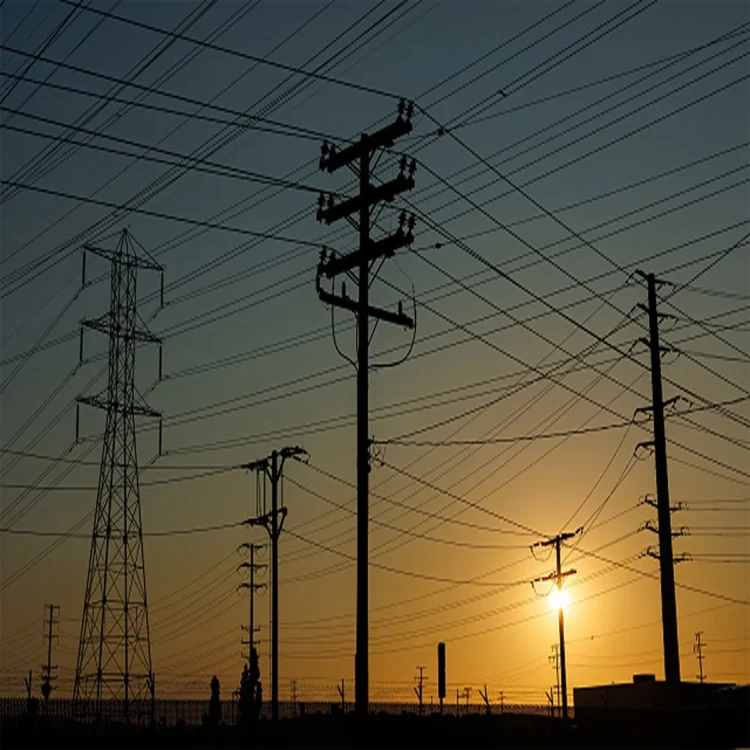
Punjab power outages and heatwave disruption –
Families, shop owners and small businesses in several cities have reported spending hours without electricity during the heatwave. The outages have created serious difficulties for children, elderly people and patients who depend on cooling appliances and water pumps during extreme weather conditions.
Residents also said frequent voltage fluctuations and sudden supply failures had caused damage to household equipment. Air conditioners, refrigerators, televisions and water motors were among the appliances reportedly affected. For many families, repair or replacement costs have added to the burden of already high electricity bills.
Complaints reported from Lahore neighbourhoods
Consumers in Lahore areas including Township, Green Town, Gulberg and Garden Town said they had faced repeated electricity interruptions in recent days. Several residents complained of unstable voltage, delayed restoration work and outages that occurred without advance notice.
Similar concerns were raised in suburban localities and other areas covered by the Lahore Electric Supply Company. Consumers claimed that unannounced load-shedding was continuing in different parts of the city, even though officials maintained that there was no formal or unofficial power rationing in Lahore.
LESCO explains temporary power interruptions
The Lahore Electric Supply Company said it was supplying electricity according to available demand and did not have a scheduled or unscheduled load-shedding programme for Lahore. The utility stated that electricity demand was close to 4,200 megawatts and that supply was being maintained at a similar level.
According to the company, temporary cuts were linked to maintenance work, technical operations and feeders with high transmission losses. LESCO said these interruptions should not be viewed as a province-wide shortage of electricity.
Reports point to possible supply gap
Separate reports, however, suggested that Punjab may have been facing a shortfall of around 500MW to 800MW. Electricity demand in the province was reportedly above 4,750MW, while supply from the National Power Control Centre remained near 4,200MW.
The continuing heatwave has also placed extra pressure on the power network. High temperatures can increase electricity use while also raising the risk of faults in transmission and distribution equipment. Some grid stations in Lahore’s Defence Housing Authority area were reportedly shut down temporarily as a precaution to protect infrastructure.
Technical failures add to public difficulties
Transformer breakdowns and a shortage of technical staff have further complicated efforts to restore supply quickly in affected areas. Residents said the impact was particularly severe after sunset, when solar power systems could no longer provide an alternative source of electricity.
People living in rural and suburban parts of Punjab said outages in their areas were often longer than those reported in major cities. In some villages, electricity cuts reportedly continued for more than six hours, leaving households without fans, cooling systems and access to regular water supply.
The gap between official assurances and public complaints has intensified calls for clearer communication from power authorities. Residents have urged electricity providers to improve maintenance work, address damaged transformers and provide timely updates whenever technical failures affect supply.