
HumanitarianAid – UN Reports Large-Scale Relief Collection Despite Gaza Access Delays
HumanitarianAid – Humanitarian agencies working in Gaza managed to retrieve more than 1,000 pallets of urgently needed supplies in a single day, even as logistical challenges continued at a recently introduced Israeli checkpoint, according to the United Nations.
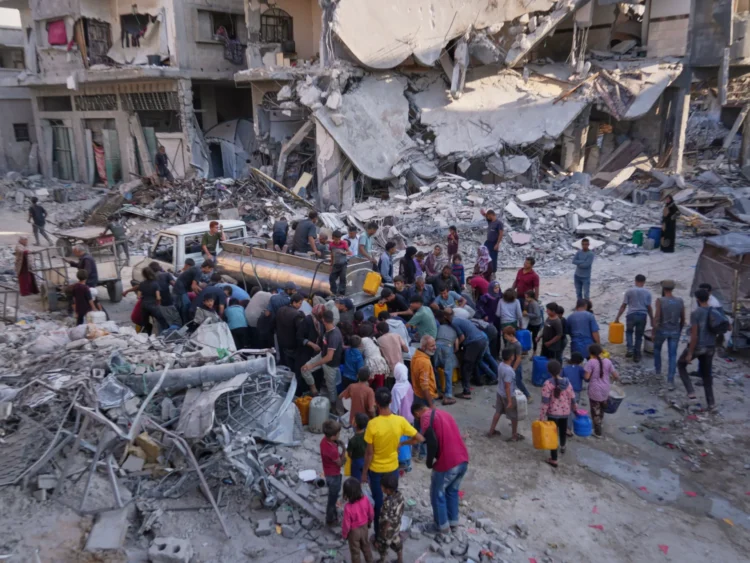
Essential Supplies Successfully Reached Distribution Networks
The United Nations Office for the Coordination of Humanitarian Affairs (OCHA) reported that aid teams collected a substantial volume of relief materials on Tuesday through the Kerem Shalom, also known as Karem Abu Salem, crossing. The shipment included medical products, hygiene items, blankets, and temporary shelter materials intended to support civilians facing difficult living conditions across Gaza.
Despite the successful collection effort, humanitarian organizations said transportation operations remain affected by lengthy delays linked to procedures at a newly established checkpoint in southern Gaza.
Fuel Deliveries Face Operational Challenges
OCHA noted that severe congestion at the checkpoint disrupted fuel transportation activities. On Tuesday, six fuel trucks were unable to reach the crossing area as scheduled, reducing the amount of fuel available for humanitarian operations.
Aid officials emphasized that maintaining a reliable fuel supply is essential for keeping critical infrastructure functioning. Hospitals, water desalination facilities, and other public services depend heavily on fuel because Gaza’s electricity network remains largely non-operational. Any interruption in fuel deliveries can significantly affect the provision of healthcare, clean water, and other basic services.
Crossing Remains Key Entry Point for Assistance
The Kerem Shalom/Karem Abu Salem crossing continues to serve as the primary gateway for humanitarian cargo entering Gaza. Relief organizations rely on the crossing to transport food, medical supplies, shelter materials, and other essential goods needed by communities across the territory.
Humanitarian agencies have repeatedly stressed the importance of maintaining smooth and predictable access through the crossing to ensure aid reaches those requiring assistance without unnecessary delays.
Medical Evacuations Continue but Needs Remain High
In the healthcare sector, OCHA reported progress in medical evacuation efforts during the final two weeks of May. Nearly 100 patients, accompanied by more than 130 caregivers, were transported out of Gaza through the Kerem Shalom/Karem Abu Salem and Rafah crossings.
These evacuations were coordinated with support from the World Health Organization and humanitarian partners. However, the UN said many patients remain in urgent need of advanced treatment that is currently unavailable within Gaza.
Thousands of individuals suffering from severe injuries and complex medical conditions are still waiting for access to specialized healthcare services. According to OCHA, routes that would allow patients to reach medical facilities in the West Bank, including East Jerusalem, continue to face restrictions.
Calls for Greater Access to Medical Equipment
Humanitarian officials have renewed appeals for increased entry of medical supplies and specialized equipment into Gaza. Expanding healthcare capacity inside the territory remains a priority as medical facilities continue to operate under significant pressure.
Aid agencies argue that additional equipment, medicines, and technical resources are necessary to improve treatment options and support overstretched healthcare providers.
Water Production Declines Amid Supply Shortages
Water sector partners also reported a decline in overall water production during May. Output fell by approximately 20 percent compared with levels recorded two months earlier.
The reduction has been linked mainly to shortages of essential treatment chemicals and replacement parts required to maintain water infrastructure. Humanitarian organizations warned that continued shortages could further affect access to safe water for residents.
OCHA has urged authorities to facilitate the sustained entry of pumps, pipes, engine lubricants, spare components, and water treatment materials. Officials said these supplies are crucial for maintaining water systems and ensuring essential services remain available to communities throughout Gaza.