
HIV/AIDS – UN Reaffirms Global Commitment to End AIDS by 2030
HIV/AIDS – The United Nations General Assembly has renewed its determination to eliminate AIDS as a public health threat by the end of this decade, adopting a new political declaration that outlines urgent actions needed over the next five years.
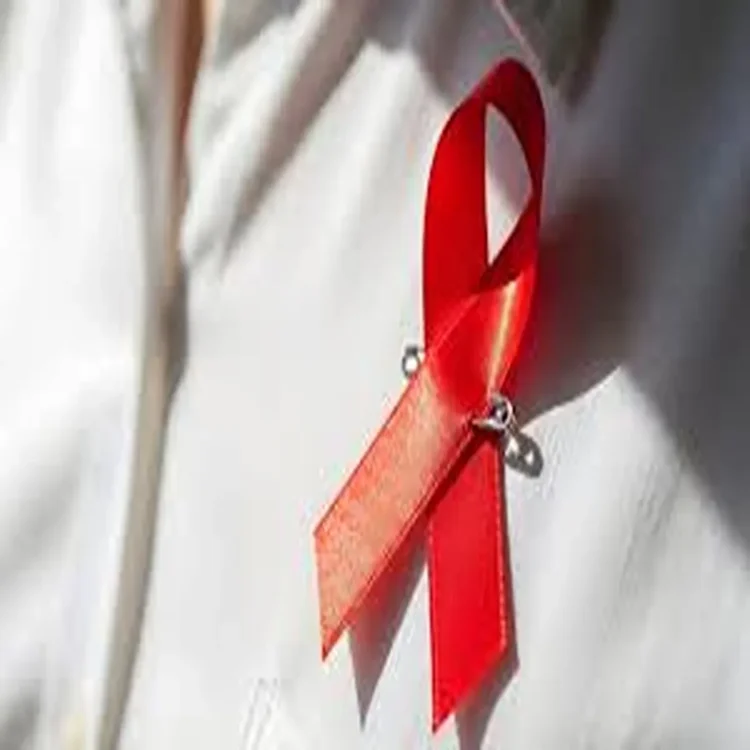
The declaration received strong support from member states, with 149 countries voting in favor. Eight countries opposed the measure, while 14 abstained. The document acknowledges that the international community has fallen short of achieving the HIV targets set for 2025 and warns that current progress is insufficient to meet the goal of ending AIDS as a public health threat by 2030.
Renewed Focus on Long-Term HIV Goals
The newly adopted declaration builds on earlier international commitments made through the landmark HIV/AIDS agreements approved in 2001, 2006, 2011, 2016 and 2021. It also reinforces targets linked to the United Nations Sustainable Development Goals, which include improving global health outcomes and reducing the burden of infectious diseases.
Member states agreed that stronger collaboration will be necessary to accelerate progress. The declaration highlights the importance of evidence-based policies, coordinated international action and people-centered approaches to addressing HIV across different regions of the world.
Countries Asked to Strengthen National Responses
Under the agreement, governments are encouraged to take greater ownership of their national HIV programs while improving cooperation among health, social and community sectors. The declaration stresses that effective responses must be integrated into broader public health systems and remain sustainable beyond 2030.
The document also calls for expanded access to prevention, treatment and support services, particularly for vulnerable populations. Leaders emphasized that national strategies should focus on measurable outcomes while ensuring that healthcare systems remain inclusive and accessible.
High-Level Review Planned for 2031
As part of the roadmap outlined in the declaration, the United Nations General Assembly will hold a high-level meeting on HIV/AIDS in 2031. The gathering will evaluate progress made on the commitments adopted in 2026 and assess whether countries have succeeded in reaching the goal of ending AIDS as a major public health concern.
The review will also examine how nations can maintain achievements in HIV prevention and treatment beyond the 2030 target date, ensuring that gains are preserved for future generations.
Leaders Emphasize Global Cooperation
Speaking after the adoption of the declaration, Winnie Byanyima, Executive Director of UNAIDS, described the agreement as an opportunity to build on more than two decades of international commitment. She said the coming years will be critical in demonstrating that multilateral cooperation can produce meaningful results in global health.
Byanyima highlighted several priorities, including continued international funding, stronger protection of the rights of people living with HIV, greater involvement of local communities and wider access to scientific innovations. According to her, these measures are essential if the world hopes to eliminate AIDS as a public health threat.
Progress Recorded Despite Remaining Challenges
Recent data released by UNAIDS indicate that sustained investments and advances in medical science have delivered significant improvements in the fight against AIDS. Community-led initiatives have also played an important role in expanding access to care and support services.
The figures show that AIDS-related deaths have declined by 56 percent since 2010, while new HIV infections have fallen by 43 percent during the same period. In addition, approximately 32.1 million people are currently receiving HIV treatment, representing 78 percent of the estimated 40.9 million individuals living with the virus worldwide.
Despite these gains, UN member states acknowledge that substantial work remains. The latest declaration reflects a shared commitment to intensify global efforts and close existing gaps in prevention, treatment and healthcare access before the 2030 deadline.