
HealthCrisis – Sudan Battles Multiple Disease Outbreaks Amid Continuing Conflict
HealthCrisis – Sudan is confronting a growing public health emergency as aid organizations and United Nations agencies struggle to control several disease outbreaks while ongoing violence continues to disrupt relief operations across the country. Health officials are now responding to rising cases of dengue fever, suspected cholera, and mpox in multiple regions already affected by conflict and displacement.
Suspected Cholera Cases Raise Alarm in West Kordofan
According to the United Nations Office for the Coordination of Humanitarian Affairs, medical teams in the El Nuhud area of West Kordofan state are dealing with a suspected outbreak of acute watery diarrhea, a condition commonly linked to cholera infections. More than 100 suspected cases were recorded during the week, along with dozens of reported deaths connected to the illness.
The World Health Organization and partner agencies have been working with local authorities to improve emergency treatment services and strengthen disease monitoring systems in affected communities. Health workers are also attempting to increase awareness about sanitation and access to safe drinking water, which remain major concerns in the region.
Mpox Cases Reported Across Darfur Region
In the Darfur region, humanitarian agencies are supporting health officials after suspected mpox cases emerged in Central Darfur and South Darfur states. Reports indicate that more than 300 suspected infections and at least five related deaths have been identified in recent days.
The WHO is assisting regional authorities with vaccination programs aimed at limiting the spread of both cholera and measles. Medical teams have expanded surveillance activities while attempting to reach remote communities where healthcare access has become increasingly limited because of insecurity and damaged infrastructure.
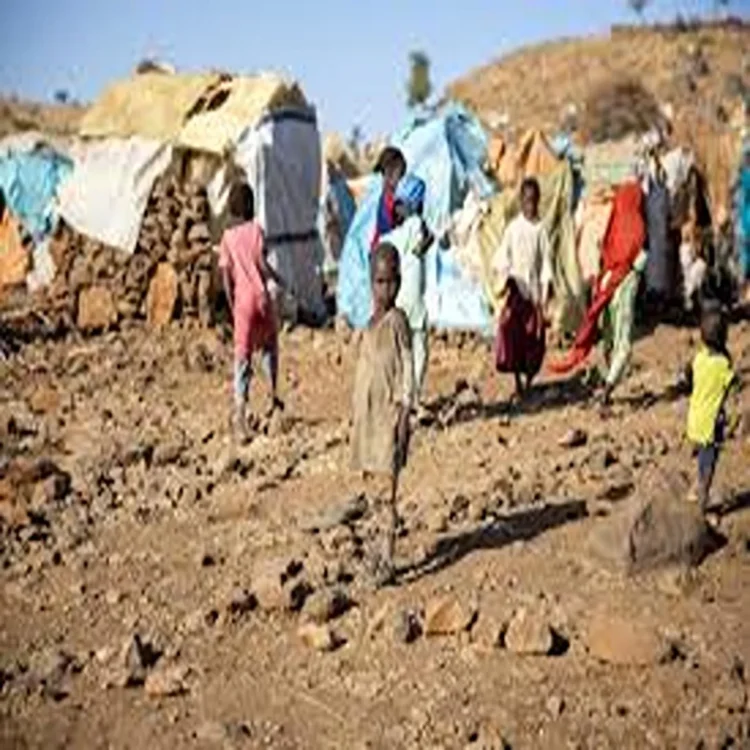
Aid groups say overcrowded shelters, displacement camps, and shortages of medical supplies are making disease control efforts significantly more difficult.
Dengue Fever Spreads in Northern Sudan
Northern and River Nile states have also witnessed a sharp increase in dengue fever cases. Health officials reported that suspected infections in Northern state have more than tripled over the past month, surpassing 500 cases.
WHO teams and healthcare partners are conducting mosquito control activities and supporting local clinics with emergency medical supplies. Public health campaigns encouraging preventive measures have also been launched to reduce transmission risks in vulnerable areas.
Medical workers warn that the combination of weakened healthcare systems and limited humanitarian access could allow outbreaks to spread more rapidly if additional assistance is delayed.
Violence Continues to Disrupt Relief Operations
The worsening health situation comes as armed violence continues across several parts of Sudan, placing both civilians and humanitarian workers at risk. OCHA reported that drone strikes around the town of Dilling in South Kordofan recently killed at least two people and injured several others.
One of the attacks reportedly damaged a healthcare facility and destroyed medical equipment and supplies that were being used to support emergency treatment services. Humanitarian agencies say repeated attacks on civilian infrastructure are severely affecting relief efforts and limiting access to communities in urgent need of medical support.
Aid organizations have repeatedly called for safer humanitarian corridors and greater protection for healthcare workers operating in conflict zones.
Millions Continue to Depend on Humanitarian Assistance
Despite mounting challenges, humanitarian agencies said relief operations have reached more than 1.6 million people across Sudan during the first four months of the year. However, the United Nations warned that current resources remain insufficient compared to the scale of humanitarian needs across the country.
OCHA urged all parties involved in the conflict to respect international humanitarian law, protect civilians, and allow unrestricted access for emergency aid deliveries. The organization also stressed that additional international funding will be essential to sustain life-saving medical and humanitarian programs for millions of vulnerable people in Sudan