
Government Fraud – Trump Administration Highlights Billions in Prevented Federal Payment Losses
Government Fraud – The Trump administration says it has uncovered hundreds of billions of dollars in suspected fraudulent government payments while preventing tens of billions from being distributed, describing the effort as a key step toward protecting taxpayer funds and strengthening oversight of federal benefit programmes.
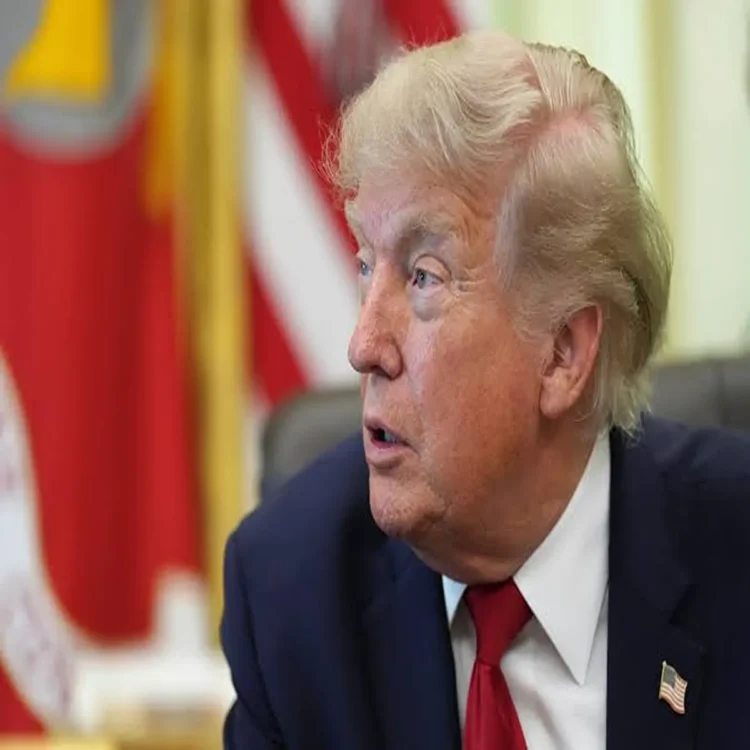
Vice President Details Progress of Fraud Task Force
Speaking during a Cabinet meeting led by President Donald Trump at Camp David, Vice President JD Vance said a fraud task force established under the administration has identified approximately $230 billion in fraudulent activity affecting government payments. According to Vance, officials have already stopped about $56 billion from being paid out before the funds left the U.S. Treasury.
He said preventing improper payments before they are issued is one of the administration’s highest priorities, arguing that recovering money after it has been disbursed is often far more difficult. Vance maintained that early intervention has helped save taxpayers billions of dollars while improving accountability across federal agencies.
New Enforcement Measures Announced
Vance also announced that the administration would introduce 17 additional anti-fraud actions valued at roughly $330 million. He said these measures would expand ongoing enforcement efforts and build on the investigations already underway.
According to the Vice President, the administration intends to continue identifying fraudulent claims across multiple federal programmes while increasing oversight mechanisms designed to reduce waste and misuse of public funds.
Officials Say Fraud Hurts Taxpayers and Beneficiaries
During his remarks, Vance argued that government fraud affects more than public finances. He said fraudulent activity can also limit access to services for the people federal programmes are designed to support.
Using a Medicaid-funded neonatal healthcare initiative as an example, he claimed that fraudulent claims submitted by certain companies diverted resources intended for low-income mothers and newborn children. According to Vance, when programme funds are misused, eligible families may face difficulties accessing essential healthcare services.
He described such cases as particularly concerning because both taxpayers and vulnerable beneficiaries ultimately bear the consequences when public resources are improperly claimed.
Trump Credits Administration’s Anti-Fraud Push
Vance credited President Trump with directing agencies to make fraud prevention a government-wide priority. He said the administration has made significant progress during its first year but intends to continue expanding investigations and enforcement actions.
According to Vance, the objective is to ensure that federal funds are used only for purposes approved by Congress and administered as intended. He said officials remain committed to reducing financial losses linked to fraudulent activity while improving public confidence in government spending.
President Points to Broader Investigations
President Trump praised the work of the fraud task force during the Cabinet meeting, calling the recovered and prevented losses unprecedented. He said investigators were continuing to identify additional cases and suggested that further announcements could follow as investigations progress.
Trump also alleged that investigators had uncovered significant fraud involving several states, including Minnesota, California and Maine. However, he did not provide specific evidence or additional details regarding those claims during the televised meeting.
Cabinet Meeting Covered Wider Policy Priorities
The anti-fraud initiative was one of several domestic issues discussed during the Cabinet session at Camp David. Administration officials also reviewed economic policy, tax proposals, defence funding, healthcare reforms and foreign policy priorities.
According to President Trump, the gathering marked the first Cabinet meeting held at the presidential retreat to be broadcast live on television. The administration used the event to outline its policy agenda while emphasizing continued efforts to strengthen financial oversight and improve accountability in federal government operations.