
Governance – Bolivia Plans Cabinet Overhaul Amid Escalating National Protests
Governance – Bolivia’s government has announced a major political restructuring as nationwide demonstrations continue to intensify across several regions of the country. President Rodrigo Paz said the administration will reorganize key ministries and establish a new economic and social council aimed at improving communication between the government and different sectors of society.
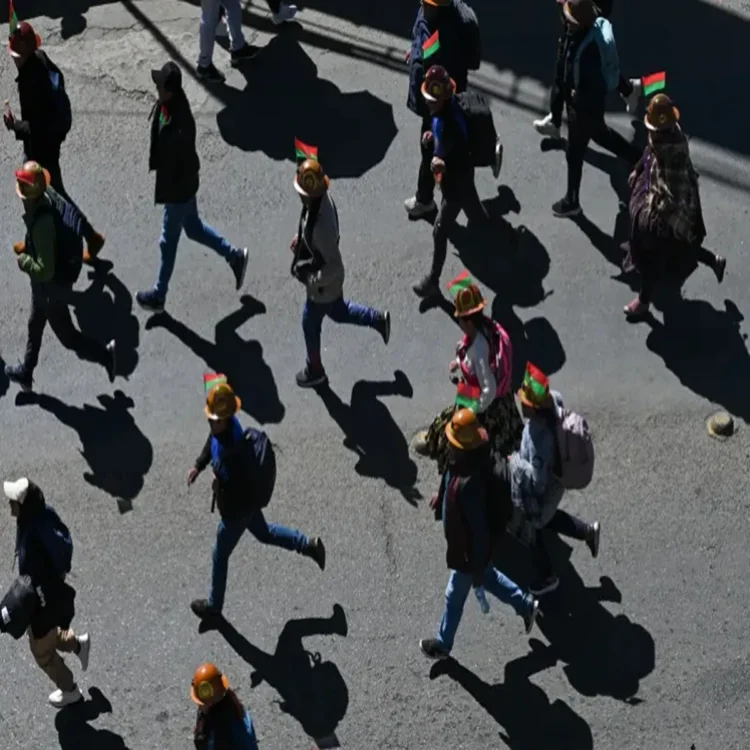
The announcement marks the first major institutional response from the government since widespread protests began in late April. Demonstrators from multiple labour and social groups have demanded the resignation of the president, who assumed office in November last year.
President Announces Cabinet Changes
Speaking at a press conference in La Paz on Wednesday, President Paz stated that his administration needs a more responsive governing structure capable of addressing growing public concerns. He acknowledged that the current political climate requires stronger coordination between ministries and citizens.
According to the president, the reshuffled cabinet will focus on improving accessibility, increasing dialogue with communities and responding more effectively to unresolved social and economic grievances. Paz said the administration wants officials who are prepared to engage directly with citizens and regional representatives.
He also stressed that national leadership cannot function effectively without broader institutional support, adding that the government must improve how it handles public demands across the country.
New Council to Include Social and Labour Groups
As part of the reform package, the Bolivian government plans to launch an economic and social council that will bring together representatives from several sectors, including farmers, transport workers, artisans, trade unions and self-employed workers.
The proposed council is expected to meet monthly with government officials. Its responsibilities will include reviewing the implementation of public policies, discussing reforms introduced by the administration and addressing misinformation related to government decisions.
Officials believe the initiative could help reduce tensions by creating a formal channel for communication between authorities and social organisations that have been involved in recent demonstrations.
Protests Continue Across Bolivia
Bolivia has experienced weeks of unrest involving farmers, miners, factory employees, teachers and members of the Bolivian Workers’ Central union. Groups linked to former president Evo Morales have also participated in the protests.
What initially began as demonstrations focused on sector-specific demands has gradually evolved into a broader political movement calling for President Paz to step down. Protesters have organized road blockades and rallies in several parts of the country, disrupting transportation and supply chains.
The situation intensified further after security forces carried out operations in El Alto, near La Paz, during the weekend to clear blocked roads and restore access to food and fuel deliveries. Authorities reported that more than 100 individuals were detained during those operations.
Violence and Property Damage Reported
Since the beginning of the week, demonstrations have expanded into central areas of La Paz. Officials and local reports have confirmed incidents involving clashes between protesters and security personnel, as well as damage to both public infrastructure and private property.
The Bolivian government has expressed concern that the ongoing unrest could threaten institutional stability and democratic order. Authorities argue that prolonged disruptions and violent confrontations risk affecting essential public services and citizens’ rights.
Bolivia Seeks Support From OAS
During a virtual meeting of the Permanent Council of the Organization of American States (OAS), Bolivian Foreign Minister Fernando Aramayo urged member countries to support Bolivia’s constitutional framework and reject acts of political violence.
Aramayo stated that while the government respects peaceful protest and democratic participation, violent actions and intimidation cannot be accepted under any circumstance. He also warned that continued unrest could further weaken social stability.
The foreign minister requested the deployment of an international OAS mission to evaluate the political and social conditions within Bolivia. The proposed mission would assess developments on the ground and help international observers better understand the country’s ongoing crisis.
The coming weeks are expected to be critical as the government attempts to restore dialogue while managing mounting political pressure from opposition groups and protest movements nationwide