
GlobalDiplomacy – Trump Signals Firm Stance on Iran Talks and NATO Role
GlobalDiplomacy – The United States has reiterated its position on ongoing tensions with Iran, with Secretary of State Marco Rubio emphasizing that Washington will not tolerate what it sees as insincere negotiation tactics. In a recent television interview, Rubio made it clear that while diplomatic engagement remains an option, it must be genuine and productive.
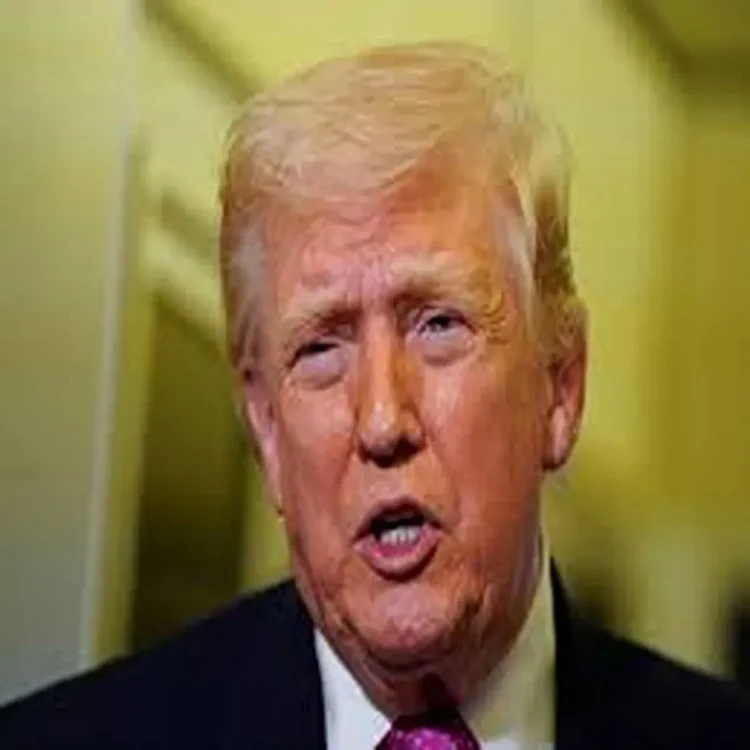
US Maintains Openness to Dialogue with Iran
Rubio noted that despite decades of strained relations, the US leadership continues to prioritize dialogue over military confrontation. He pointed out that past efforts to initiate discussions with Iran have repeatedly failed to yield meaningful outcomes. Nevertheless, the current administration remains committed to exploring every possible diplomatic channel.
According to Rubio, President Donald Trump prefers negotiations as a first step and has consistently shown willingness to engage. However, he stressed that repeated delays or symbolic talks without real intent would not be accepted moving forward. The US, he said, has already provided multiple opportunities for Iran to come to the table, including extended timelines for negotiations.
Concerns Over Delaying Tactics
The Secretary of State expressed concern that Iran might use negotiations as a strategy to buy time rather than resolve key issues. He highlighted that the US would not allow such approaches to continue, signaling a more assertive stance on how future discussions will be handled.
Rubio added that communication between the two sides is ongoing through indirect channels, and there remains a possibility of direct talks. However, any such meeting would need to demonstrate seriousness and a commitment to progress.
NATO Role Under Scrutiny
Beyond Iran, Rubio also addressed concerns about the North Atlantic Treaty Organization and its evolving role in supporting US interests. He raised questions about whether the alliance continues to serve its intended purpose, particularly if member countries restrict American access to military bases in Europe.
Drawing from his experience as a former senator, Rubio stated that NATO has historically been valuable not only for European defense but also for enabling the US to respond quickly to global security challenges. Access to strategic bases has played a critical role in that capability.
Future of US-NATO Relations
Rubio suggested that the current situation could prompt a broader reassessment of the alliance. If the US is unable to utilize European bases when needed, he argued, it raises fundamental questions about the mutual benefits of NATO membership.
He indicated that once the present conflict situation stabilizes, the US government may conduct a detailed review of its relationship with NATO. The final decision, he noted, would ultimately rest with the president.
Upcoming Presidential Address
Meanwhile, the White House has announced that President Trump will soon address the nation regarding the ongoing tensions with Iran. Press Secretary Karoline Leavitt confirmed that the speech will be broadcast on Thursday evening.
In a message shared on social media, Leavitt encouraged the public to watch the address, which is expected to outline the administration’s current position and possible next steps in handling the situation.
The developments come at a time of heightened geopolitical uncertainty, with global attention focused on how major powers navigate both diplomacy and security concerns in the region.