
GlobalDiplomacy – China Expands Quiet Influence Amid Rising West Asia Tensions
GlobalDiplomacy – China’s growing involvement in the ongoing West Asia conflict has drawn significant global attention, as Beijing increasingly positions itself as a stabilizing force in international diplomacy while longstanding partnerships of the United States face mounting strain.
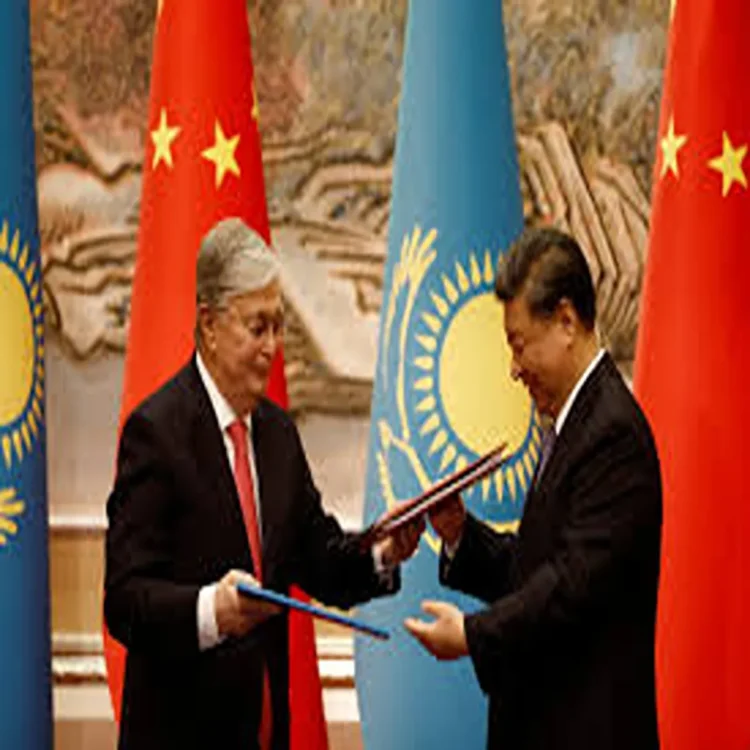
China’s Expanding Diplomatic Footprint
Over the past few years, China has steadily strengthened its diplomatic presence beyond its immediate region. Once cautious about engaging in distant conflicts, Beijing has now taken on a more active role in international negotiations, participating in discussions from Southeast Asia to Europe. Its approach reflects a broader ambition to be seen as a responsible global power capable of contributing to conflict resolution.
In the current Iran-related crisis, China has not formally assumed the role of mediator. However, multiple stakeholders, including both Washington and Tehran, acknowledge that Beijing has played a meaningful part in efforts aimed at reducing tensions.
Strategic Timing Amid Shifting US Relations
Analysts note that China’s diplomatic push comes at a time when US foreign policy decisions have created friction with traditional allies. This evolving landscape has provided Beijing with an opportunity to step forward and engage more actively in global affairs.
China’s close economic and political relationship with Iran places it in a distinctive position. As the conflict disrupts energy markets, particularly across Asia, Beijing’s influence carries additional weight due to its dependence on stable oil supplies.
Reports suggest that China may have quietly encouraged Iran to return to negotiations, including recent direct talks held in Pakistan. While Beijing has not publicly confirmed this involvement, experts believe this restraint reflects its preference to avoid appearing aligned with US-led security frameworks.
Active Engagement Through Diplomatic Channels
Since the escalation began earlier this year, Chinese officials have maintained frequent communication with key regional players. Foreign Minister Wang Yi has held numerous discussions with counterparts from countries including Israel, Saudi Arabia, Bahrain, and the United Arab Emirates.
China has also put forward proposals aimed at de-escalation. One such initiative emphasized ending hostilities and reopening critical trade routes, including the Strait of Hormuz. President Xi Jinping has also taken a more vocal stance than usual, cautioning against global instability and urging adherence to international cooperation principles.
Economic Leverage as a Key Tool
China’s influence in the region is closely tied to its economic strength. As the largest importer of Iranian oil, Beijing holds considerable leverage in its dealings with Tehran. This economic connection allows China to play a subtle yet impactful role in shaping negotiations.
Experts highlight that China could offer incentives such as investment in post-conflict reconstruction and expanded trade opportunities. These economic assurances may prove critical in encouraging long-term commitments to peace agreements.
Additionally, China’s broader economic ties across the Middle East position it as a central partner for multiple countries involved in or affected by the conflict.
Past Successes and Calculated Involvement
China’s diplomatic efforts are not without precedent. In 2023, it played a key role in facilitating renewed relations between Saudi Arabia and Iran, a move widely regarded as a significant geopolitical development that reduced regional tensions.
However, analysts point out that Beijing tends to engage selectively, often stepping in when conditions are already favorable for dialogue. This cautious strategy allows China to minimize risks while maximizing its diplomatic gains.
Beyond West Asia, China has also participated in mediation efforts in Southeast Asia and has proposed peace frameworks for the conflict in Ukraine, signaling its broader ambitions on the global stage.
A Consistent Diplomatic Approach
Observers note that China’s messaging in international conflicts follows a consistent pattern. Its leaders frequently emphasize respect for sovereignty, adherence to international law, and the importance of peaceful coexistence.
This steady approach contrasts with more assertive strategies seen elsewhere, reinforcing China’s image as a proponent of a rules-based international system.
As global dynamics continue to shift, China’s role in conflict mediation is likely to remain under close scrutiny. Whether its efforts lead to lasting outcomes will depend on how effectively it balances its economic interests with its growing diplomatic ambitions.