
GlobalCeasefire – Australia Backs Temporary Truce to Ease West Asia Tensions
GlobalCeasefire -Australia has expressed cautious optimism after a temporary ceasefire understanding emerged between the United States, Iran and Israel, viewing it as an opportunity to prevent further escalation and encourage dialogue in West Asia.
Australia Voices Support for De-escalation
The Australian government welcomed the announcement of a limited ceasefire, describing it as a constructive step toward reducing hostilities in a region that has seen rising tensions in recent weeks. Prime Minister Anthony Albanese stated that Canberra has consistently urged restraint and diplomacy, emphasizing the importance of avoiding further conflict. He noted that the agreement could open the door for broader negotiations aimed at resolving underlying disputes.
Australia’s position reflects its long-standing support for peaceful conflict resolution and adherence to international norms. Officials reiterated that maintaining stability in West Asia is not only vital for regional security but also for global economic balance.
US Decision Eases Immediate Military Concerns
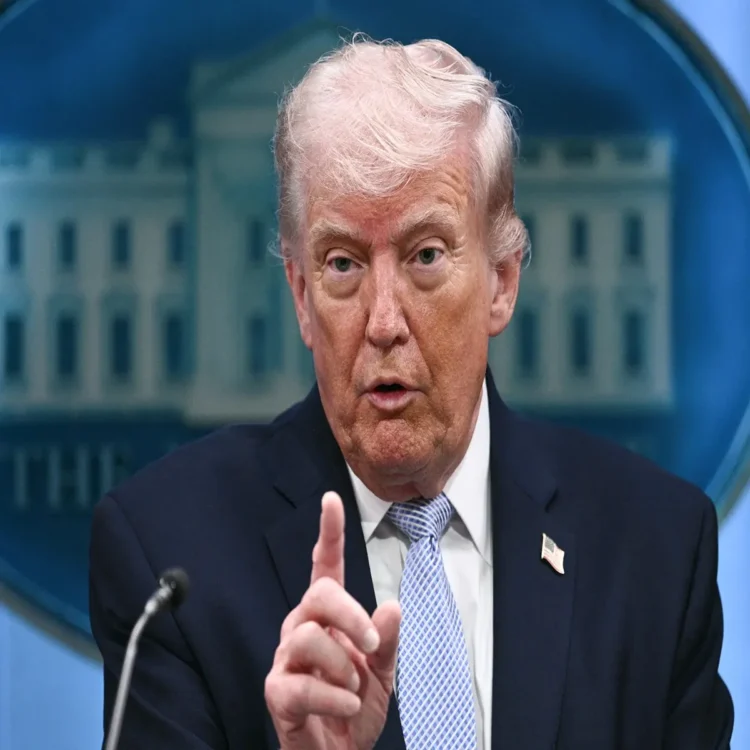
The ceasefire follows a significant decision by US President Donald Trump to temporarily halt planned military action against Iran. The move came shortly before a self-imposed deadline for Tehran to respond to diplomatic overtures. According to reports, the development was influenced by behind-the-scenes negotiations, including efforts involving Pakistan.
The pause in military operations has been widely seen as a crucial step in preventing a larger confrontation. It has also provided breathing space for diplomatic channels to remain active, reducing immediate fears of escalation that had concerned governments and markets worldwide.
Iran Signals Conditional Cooperation
Iran indicated a willingness to comply with the ceasefire under certain conditions. Foreign Minister Seyed Abbas Araghchi stated that Iranian forces would suspend defensive operations if attacks against the country ceased. He also confirmed that safe maritime passage through the Strait of Hormuz could be facilitated for a limited period, subject to coordination with Iranian authorities.
This conditional approach suggests that while tensions remain, there is room for negotiation if all sides adhere to the agreed terms. Observers note that such signals are often key to building trust in fragile diplomatic situations.
Strait of Hormuz Remains a Critical Concern
One of the central issues highlighted by Australia is the disruption in the Strait of Hormuz, a vital route for global energy supplies. Albanese pointed out that restrictions and security threats in the region have already affected the movement of oil and gas, leading to fluctuations in global fuel prices.
The Prime Minister warned that continued instability could have far-reaching economic consequences, particularly for countries dependent on energy imports. He stressed that reopening and securing the waterway is essential for ensuring steady supply chains and preventing further shocks to international markets.
Broader Economic and Human Impact
Australian officials underscored that prolonged conflict would not only strain economies but also increase humanitarian risks. Rising tensions can disrupt essential services, damage infrastructure, and put civilian lives at risk. Albanese emphasized that the longer the situation remains unresolved, the greater the global and human costs.
Australia has been working alongside international partners to support diplomatic initiatives aimed at restoring stability and ensuring that critical supplies reach those in need, especially vulnerable populations.
Call for International Law and Civilian Protection
Reaffirming its stance, Australia urged all parties involved to respect international humanitarian law and prioritize civilian safety. The government stressed that any resolution must include safeguards for non-combatants and essential infrastructure.
While the current ceasefire is temporary, Canberra hopes it will serve as a foundation for more comprehensive peace efforts. Officials believe sustained dialogue and cooperation among global stakeholders will be essential in achieving a lasting solution.
The coming weeks are expected to be crucial, as diplomatic efforts intensify and all sides assess whether the truce can evolve into a more permanent arrangement.