
Geopolitics – Tehran Air Defences Activated Amid Rising US-Iran Tensions
Geopolitics – Tehran’s air defence systems were briefly activated late Thursday after authorities detected unidentified small aircraft and surveillance drones over parts of the capital, according to reports carried by state-affiliated agencies. Officials said the defensive response lasted for about 20 minutes and the situation was quickly brought under control, with no immediate reports of damage or casualties.
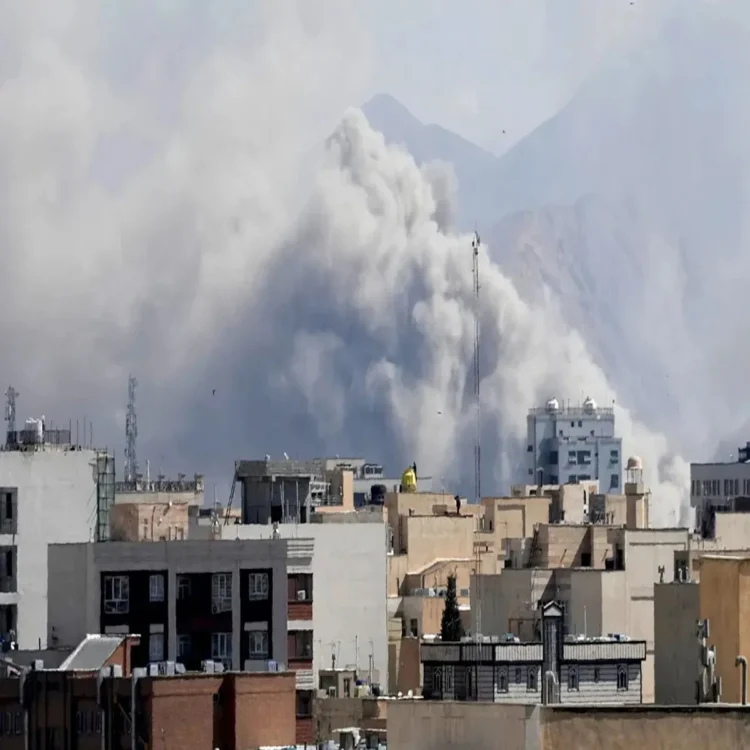
Airspace Alert Over Iranian Capital
Local media outlets indicated that the defensive systems were triggered as a precautionary measure against potential aerial threats. Residents in some neighborhoods reported hearing activity linked to the defence systems, though authorities reassured the public that normal conditions had been restored soon after. The incident comes at a time of heightened alert across Iran due to ongoing regional tensions and military uncertainties.
Washington Faces Pressure Over War Authorization
In the United States, the administration of President Donald Trump encountered mounting pressure tied to a congressional deadline requiring formal approval for continued military involvement against Iran. Officials in Washington argued that the timeline for authorization had effectively paused following a ceasefire agreement reached earlier in April.
A senior official stated that active hostilities between the two nations had ceased since the agreement, suggesting that legal requirements tied to wartime powers may no longer apply in the same way. This interpretation, however, has raised concerns among lawmakers, setting the stage for a potential institutional dispute between the executive branch and Congress.
Iran Signals Confidence Amid Crisis
Iran’s leadership has projected confidence despite mounting external pressure. In a televised statement, the country’s top authority described recent developments as a strategic success, asserting that Iran now holds a stronger position in regional affairs.
The statement emphasized Iran’s influence over key maritime routes, particularly the Strait of Hormuz, a critical corridor for global oil shipments. Officials suggested that the current situation marks a turning point for regional dynamics, while also criticizing foreign involvement in Middle Eastern affairs.
Energy Markets React to Escalation
Global oil markets responded sharply to the ongoing crisis. Prices surged to levels not seen in four years before easing slightly later in the day. Analysts attributed the volatility to concerns over supply disruptions, especially given the strategic importance of shipping routes in the Gulf region.
International agencies have warned that prolonged instability could significantly impact global energy supplies. The situation has drawn attention from economic leaders worldwide, who have called for efforts to stabilize conditions and prevent further escalation.
Military Warnings and Strategic Moves
On the military front, both sides have continued to exchange warnings. Israeli officials indicated that further action against Iran remains a possibility if strategic goals are not met. Meanwhile, Iranian military commanders warned that any renewed offensive would be met with strong and sustained retaliation.
The United States has also intensified its strategy by maintaining restrictions on Iranian maritime activity while seeking international cooperation to ensure safe navigation through key waterways. These efforts reflect broader attempts to manage the crisis without triggering a full-scale confrontation.
Civilian Concerns and Regional Impact
Amid the political and military developments, civilians continue to bear the burden of uncertainty. Reports from individuals inside Iran suggest growing frustration over the prolonged crisis and stalled diplomatic efforts. Many have expressed concern about the humanitarian and economic consequences of the conflict.
At the same time, tensions have extended beyond Iran, with continued violence reported in neighboring Lebanon. Recent strikes have resulted in casualties, further complicating efforts to stabilize the region. Diplomatic initiatives are underway, with calls for dialogue between regional leaders gaining urgency.
Calls for Dialogue Intensify
Global leaders and international organizations have increasingly urged restraint and renewed negotiations. Concerns about economic disruption, particularly in energy markets, have added pressure on all parties to pursue diplomatic solutions.
Observers note that the coming weeks will be critical in determining whether the situation moves toward de-escalation or further confrontation. The balance between military posturing and diplomatic engagement remains delicate, with significant implications for regional and global stability.