
Extremism – Australia Expands Ban on Neo-Nazi Networks Under New Law
Extremism – Australia has officially outlawed another far-right organization under its newly introduced hate group laws, marking a major step in the country’s effort to curb extremist activity and organized racial hatred.
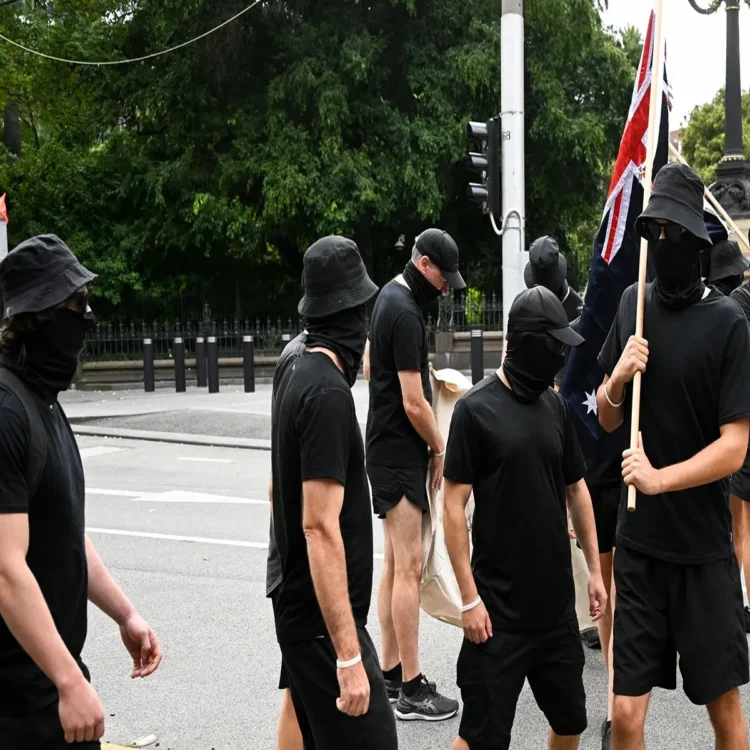
Australian authorities on Friday confirmed that a neo-Nazi organization previously operating under the name National Socialist Network has been formally banned under the country’s anti-hate legislation. The decision makes the group the second organization prohibited since the law came into effect earlier this year.
Government Targets Rebranded Extremist Organizations
Officials said the group attempted to avoid legal action by rebranding itself after the legislation was introduced in January. The organization had reportedly also used the name White Australia while continuing similar activities linked to extremist ideology and racial hatred.
Home Affairs Minister Tony Burke stated in Canberra that although the group altered its identity, its activities and structure remained largely unchanged. According to the minister, the organization continued engaging in conduct that met the legal conditions required for prohibition under the new legislation.
The law was introduced after a deadly antisemitic attack during a Hanukkah gathering at Sydney’s Bondi Beach in December, where 15 people lost their lives. The incident triggered nationwide concern over rising hate-fueled violence and extremist movements.
Strict Penalties Introduced Under Hate Group Laws
Under the new legal framework, individuals connected to banned organizations can face severe criminal penalties. Authorities said supporting, financing, recruiting for, training with, directing, or joining the outlawed organization will now be considered a criminal offense punishable by up to 15 years in prison.
The legislation also allows authorities to act against groups that attempt to reorganize under different names. Officials stressed that rebranding would not shield extremist organizations from enforcement measures.
Earlier this year, Islamist organization Hizb ut-Tahrir became the first group banned under the same legislation. Australian lawmakers had previously identified both organizations as primary concerns while debating the policy.
National Security Agencies Given Expanded Powers
Australia’s domestic intelligence agency, ASIO, is responsible for assessing whether a group qualifies as a hate organization under the law. Final approval for a ban is then granted by a government minister.
Authorities examine several factors before making a decision, including whether a group promotes hate crimes, encourages violent behavior, or increases the risk of public disorder and extremist violence.
Burke acknowledged that legislation alone would not eliminate extremist beliefs, but argued that preventing organized gatherings and recruitment efforts was necessary to reduce the spread of violent ideologies.
He added that the government aimed to stop extremist networks from operating openly or organizing public demonstrations associated with racial hatred and intimidation.
Former Leader Facing Criminal Proceedings
Thomas Sewell, identified as the former leader of the organization, is currently awaiting trial over allegations linked to an attack on an Indigenous protest camp in Melbourne last year.
Prosecutors allege that a group of masked men dressed in black entered the camp during an anti-immigration demonstration, leaving three people injured. Sewell has denied all five charges filed against him.
His name also appeared in findings from New Zealand’s independent inquiry into the 2019 Christchurch mosque shootings, where 51 Muslim worshippers were killed. The inquiry concluded that Sewell had previously attempted to recruit gunman Brenton Tarrant into another white nationalist movement years before the attack.
Australia Tightens Response to Antisemitism
Australian authorities have increasingly strengthened laws targeting extremist symbolism and hate-related activities. In 2024, the government introduced a nationwide ban on Nazi salutes along with the public display of swastikas and similar Nazi imagery.
The measures followed a rise in antisemitic incidents affecting synagogues, Jewish schools, and businesses in major cities including Sydney and Melbourne.
Despite reports suggesting the neo-Nazi network had dissolved earlier this year, Burke rejected claims that the organization had genuinely ceased operating. Australian media previously reported that messages posted on the group’s Telegram channel indicated members planned to disband mainly to avoid arrests under the new legislation.
The minister said the government was prepared to defend the legality of the ban if challenged in court.