
EnergySecurity – US Signals Combined Strategy on Hormuz Tensions
EnergySecurity – The United States has indicated it is pursuing a balanced strategy regarding the Strait of Hormuz, blending cooperation with international partners and the possibility of direct military measures. Washington’s approach reflects growing concern over disruptions in one of the world’s most critical shipping lanes.
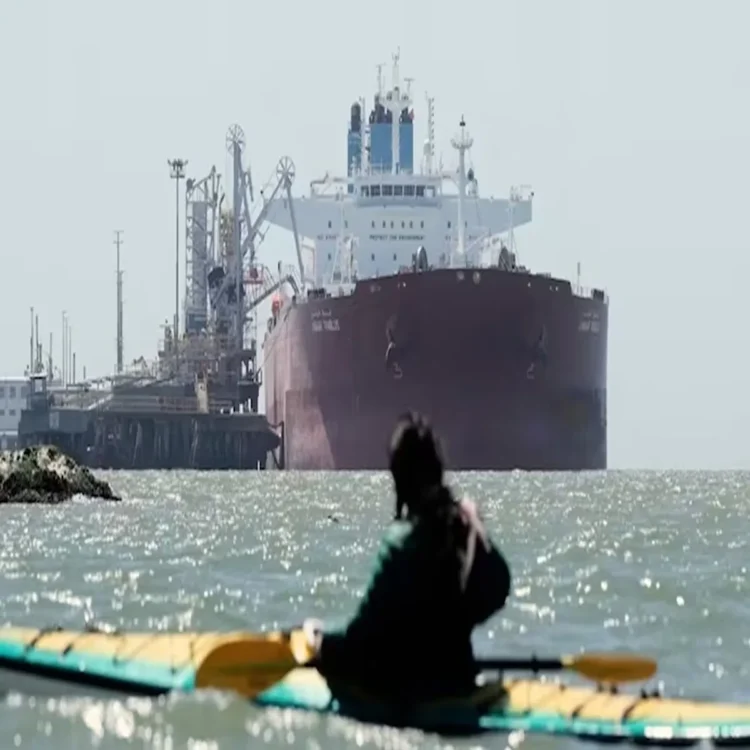
Allied Support Expands Across Key Regions
Speaking during a televised interview, US Ambassador to the United Nations Mike Waltz emphasized that the strategy is not limited to a single path. He explained that both collective action and independent measures could be used simultaneously, depending on how the situation develops.
Several allied nations have stepped forward to contribute to safeguarding the waterway. Countries such as Italy, Germany, and France have shown willingness to participate in joint efforts aimed at ensuring safe passage. Japan has also indicated readiness to deploy naval resources, particularly due to its heavy reliance on energy supplies flowing from the Gulf region to Asia.
Washington Keeps Military Options Open
While highlighting international cooperation, Waltz made it clear that the United States is also prepared to act decisively if required. He reiterated that the administration remains committed to countering Iran’s military capabilities, including its missile systems, naval strength, and drone operations.
The comments come at a time when President Donald Trump has warned Iran to restore normal navigation through the Strait of Hormuz or risk facing targeted actions against its energy sector. Waltz declined to dismiss the possibility of such strikes, stating that all options remain under consideration.
Concerns Over Iran’s Infrastructure and Military Links
Waltz pointed to what he described as the deep integration between Iran’s military apparatus and its civilian infrastructure. According to him, the Islamic Revolutionary Guard Corps holds significant influence over key sectors of the country’s economy and governance.
He argued that this overlap complicates efforts to distinguish between purely civilian and military targets. As a result, any actions aimed at weakening Iran’s defense capabilities may also impact broader infrastructure linked to its strategic operations.
Addressing International Legal Concerns
Responding to concerns raised by the United Nations regarding potential violations of international law, Waltz defended the US stance. He asserted that Iran’s control over vital infrastructure is being used not only for domestic control but also for regional military activities and nuclear ambitions.
He maintained that US operations would remain carefully targeted, focusing on assets tied directly to military functions. At the same time, he accused Iran of deliberately placing military resources within civilian areas, making precise targeting more complex.
Rising Alarm Over Missile Developments
Waltz also highlighted growing concerns about Iran’s missile capabilities. He referenced recent developments involving intermediate-range ballistic missiles, suggesting that such systems could pose a threat beyond the Middle East, potentially reaching parts of Europe.
Additionally, he claimed that advancements in Iran’s space programme may be concealing progress in missile technology. According to him, the technical overlap between space launch systems and missile delivery mechanisms reduces the barriers to further weapon development.
Strategy Framed as Preventive Action
The US administration continues to present its approach as a preventive measure aimed at halting Iran’s progress toward a fully developed nuclear programme. Waltz compared the situation to past global security challenges, stressing the importance of early intervention.
Despite some public scepticism within the United States, he pointed to strong political backing, particularly among Republican supporters. He underscored that the administration’s primary objective remains ensuring national security and protecting American interests.
Waltz concluded by reaffirming that no course of action has been ruled out, including the potential for broader military involvement if necessary. The evolving situation in the Strait of Hormuz continues to draw global attention, with significant implications for energy markets and international stability.