
Energy – US Defends Temporary Russian Oil Waiver Amid Price Concerns
Energy – The United States government has defended its decision to temporarily ease certain sanctions on Russian oil exports, arguing that the move helped prevent a sharper surge in global energy prices during a period of market uncertainty. The issue was discussed during a Senate hearing, where Treasury Secretary Scott Bessent faced questions from lawmakers over the impact of the policy.
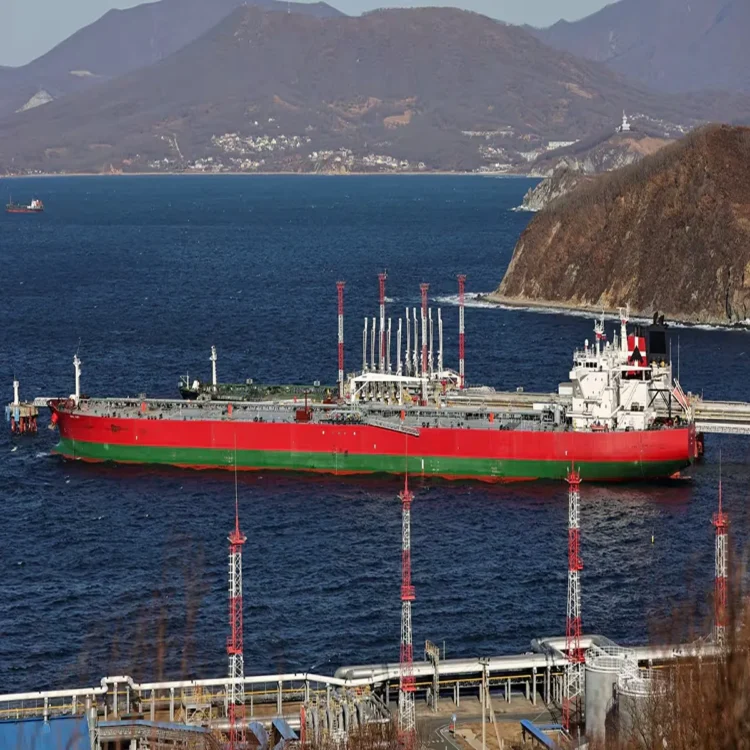
Government Justifies Move to Stabilise Oil Markets
Speaking before the Senate panel, Bessent explained that the waiver was introduced to maintain steady oil supplies at a time when global markets were under strain. According to him, the decision enabled a significant volume of oil—over 250 million barrels—to remain available in international markets.
He suggested that without this intervention, oil prices could have climbed much higher than current levels. Bessent noted that prices were already nearing $100 per barrel and warned they might have reached as high as $150 if the waiver had not been implemented. He maintained that the measure ultimately served the interests of consumers by limiting extreme price spikes.
Lawmakers Raise Concerns Over Russia’s Gains
However, several Democratic lawmakers expressed strong reservations about the policy. Senator Chris Coons argued that allowing continued Russian oil flows, even temporarily, could provide Moscow with substantial financial resources during an ongoing conflict.
He pointed out that American consumers were still facing high fuel costs, with prices hovering around $4 per gallon in some regions. Coons questioned whether the waiver had delivered meaningful relief to households and suggested that it may have weakened broader efforts to economically pressure Russia.
Disagreement Over Economic Impact
Bessent firmly rejected claims that the policy had significantly benefited Russia or other sanctioned countries. He insisted that the primary objective was to protect global economic stability rather than to ease pressure on any particular nation.
He also revealed that the decision to extend the waiver for a limited period—30 days—was influenced by appeals from more than ten economically vulnerable countries. These nations, he said, were concerned about the impact of rising energy prices on their already fragile economies.
Rising Fuel Prices Remain a Key Issue
During the hearing, lawmakers also highlighted the ongoing burden of high fuel prices on American consumers. Senator Jack Reed noted that gasoline costs remained above $4 per gallon in many areas, placing continued pressure on household budgets.
In response, Bessent pointed to current market dynamics, explaining that the oil market was experiencing what is known as “backwardation.” This condition typically indicates that prices may ease over time as supply conditions improve. He expressed cautious optimism that fuel prices could decline if geopolitical tensions subside.
Broader Policy Divide in Washington
The discussion reflects a wider divide in US policy circles. While the administration argues that temporary flexibility in sanctions can help stabilise global markets, critics believe such measures risk undermining the broader strategy aimed at limiting Russia’s revenue streams.
Sanctions on Russian energy exports have been a central component of Western policy since the outbreak of the Ukraine conflict. Governments have sought to strike a balance between restricting Moscow’s income and preventing disruptions that could destabilise global energy supplies.
Global Implications of Oil Market Volatility
Oil markets remain highly sensitive to geopolitical developments, particularly in regions such as the Middle East. Any disruption to supply chains can quickly drive up prices, affecting economies worldwide.
For major energy-importing countries like India, fluctuations in oil prices have direct consequences for inflation and economic stability. As a result, policy decisions taken by major economies continue to have far-reaching global implications.
The debate in Washington highlights the complex trade-offs involved in managing energy security, economic stability, and geopolitical strategy in an increasingly interconnected world.