
Energy – US Allows Limited Sale of Stranded Iranian Oil Supply
Energy – The United States has introduced a temporary measure allowing the sale of Iranian oil that is currently stuck at sea, a move aimed at easing pressure on global energy markets during a period of heightened geopolitical uncertainty.
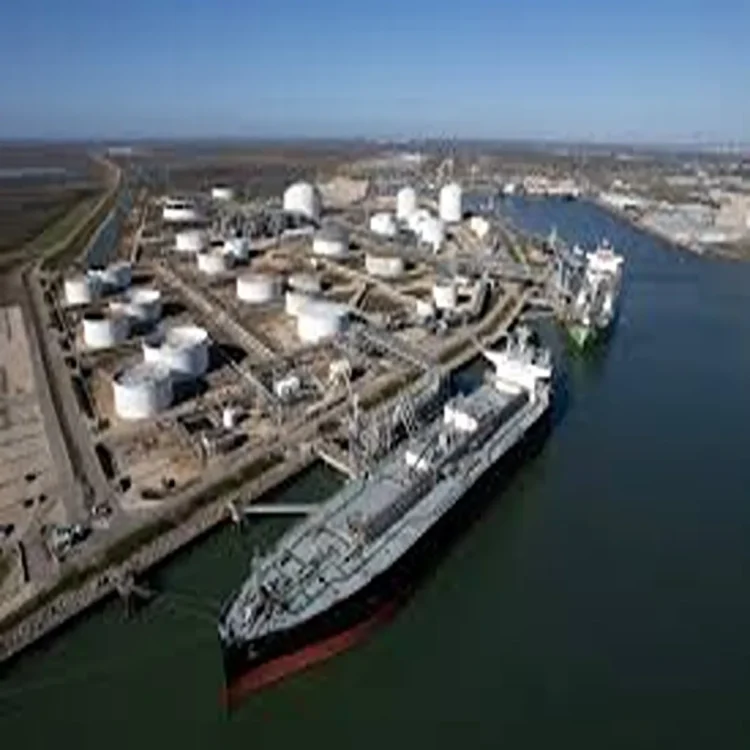
Temporary Policy Targets Supply Constraints
US Treasury Secretary Scott Bessent announced the decision on Friday, stating that the authorization is strictly limited and carefully designed. The policy permits only the sale of Iranian oil that is already in transit or stranded, without opening the door for fresh production or new purchases.
According to Bessent, the initiative is intended to address immediate supply concerns rather than signal any broader shift in sanctions policy. The US government has maintained that its overall pressure campaign against Iran remains firmly in place.
Effort to Stabilise Global Energy Markets
The move comes as global energy markets face strain due to ongoing tensions affecting key supply routes, particularly in the Strait of Hormuz. By allowing this oil to enter the market, the US expects to release approximately 140 million barrels, which could help ease short-term supply shortages.
Officials believe this additional supply will contribute to stabilising prices and ensuring smoother energy distribution worldwide. The administration views the measure as a practical step to counter disruptions without compromising long-term strategic objectives.
Concerns Over Oil Stockpiling
Bessent highlighted concerns that sanctioned Iranian oil had been accumulating, particularly with reports suggesting that large volumes were being stored and traded at discounted rates. The temporary authorization is intended to redirect this existing supply into the global market, rather than allowing it to remain underutilised.
He noted that releasing these reserves could help offset imbalances and reduce volatility, especially during a period when energy infrastructure has faced increased risks.
Continued Pressure on Iran
Despite the limited relaxation, US officials emphasized that the broader sanctions framework against Iran remains unchanged. The authorization does not allow Iran to expand its oil production or secure new revenue streams easily.
The Treasury Department indicated that mechanisms are in place to restrict Iran’s access to financial gains generated from these sales. This ensures that while the oil enters global markets, the economic pressure on Tehran continues.
Broader Strategy to Increase Supply
The announcement is part of a wider effort by the US administration to boost global oil availability. Officials claim that measures already undertaken have helped bring hundreds of millions of additional barrels into the market.
This broader strategy aims to reduce the impact of disruptions in critical shipping routes and prevent supply shortages from escalating into larger economic challenges.
Domestic Energy Production Remains Strong
Alongside international efforts, the US government pointed to strong domestic energy production as a key factor in maintaining stability. Increased oil and gas output within the country has contributed to improved energy security and helped keep fuel costs in check.
Officials argue that maintaining high production levels at home, combined with strategic global interventions, can help cushion the effects of short-term disruptions while supporting long-term economic stability.
Rising Tensions Shape Policy Decisions
The timing of this decision reflects growing concerns over geopolitical tensions and their potential impact on global energy flows. The Strait of Hormuz, a crucial route for oil shipments, remains a focal point of concern for energy markets.
By allowing stranded Iranian oil to be sold temporarily, the US aims to mitigate immediate risks while continuing to pursue its broader strategic and economic objectives.