
Energy – Trump Claims Iran Seeks Quiet Deal to Reopen Hormuz Route
Energy – The ongoing disruption in the Strait of Hormuz has intensified global energy concerns, with fresh claims from former US President Donald Trump suggesting that Iran may be seeking a quiet resolution despite its public stance.
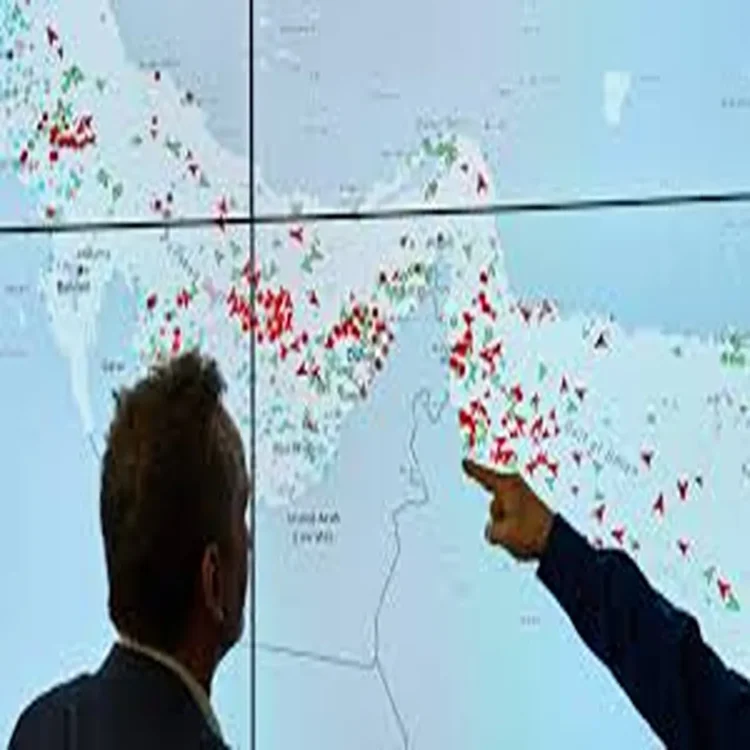
Trump Alleges Private Shift in Iran’s Position
Donald Trump has stated that Iran is privately interested in reopening the Strait of Hormuz, even as its official messaging signals resistance. According to him, Tehran’s public posture does not fully reflect the economic strain it is currently facing due to halted maritime activity.
The Strait of Hormuz remains one of the most vital shipping routes in the world, particularly for oil and liquefied natural gas. Any interruption in this corridor has immediate consequences for international markets, pushing prices higher and increasing uncertainty among global stakeholders.
Economic Pressure Driving Strategic Messaging
Trump argued that Iran’s economy is taking a substantial hit from the continued closure. He claimed that the country stands to lose hundreds of millions of dollars daily as long as shipping remains blocked. In his view, Iran’s aggressive rhetoric is largely symbolic, aimed at maintaining a strong political image rather than indicating a genuine intent to prolong the standoff.
He suggested that Tehran’s statements about keeping the strait closed are influenced by external pressure, particularly from US actions in the region. According to his remarks, such statements may be designed to manage domestic and international perceptions.
Claims of Backchannel Communication
In a further development, Trump indicated that indirect communication channels have already been activated. He mentioned that intermediaries had recently approached him, signaling that Iran may be ready to reconsider its position and allow maritime traffic to resume.
However, he cautioned against a swift reopening without broader agreements. Trump emphasized that doing so could weaken the United States’ negotiating position in any future diplomatic engagement with Iran. His comments reflect a strategy that prioritizes leverage in ongoing geopolitical discussions.
Ceasefire Extension Adds Temporary Stability
Amid the rising tension, Trump announced an extension of the existing ceasefire, describing it as an effort to create space for diplomatic dialogue. This move, however, appears to be largely unilateral, as there has been no clear confirmation from Iran or Israel regarding their willingness to adhere to the extended truce.
Observers have noted that the ceasefire was nearing its expiration before this announcement. The extension has introduced a temporary pause in hostilities, but its durability remains uncertain given the lack of mutual agreement among the involved parties.
Skepticism From Iranian Side
Voices aligned with the Iranian establishment have expressed doubts about the intent behind the ceasefire extension. Some commentators have suggested that the move could be a strategic maneuver by Washington to gain an advantage while maintaining pressure through naval restrictions.
This skepticism highlights the deep mistrust that continues to shape interactions between the two sides, complicating efforts toward meaningful dialogue.
Global Impact and Uncertain Path Forward
The Strait of Hormuz continues to be a focal point of international concern. As a critical passage for global energy supplies, its closure has far-reaching implications for both developed and emerging economies. Shipping disruptions have already begun to affect supply chains, with potential long-term consequences if the situation persists.
While there are indications that another round of talks may take place in Islamabad, key details such as timing and participation remain unclear. Diplomatic efforts are ongoing, but a breakthrough appears distant.
For now, the situation remains fluid. The combination of economic pressure, political signaling, and strategic maneuvering ensures that the Strait of Hormuz will continue to play a central role in shaping global energy and security dynamics in the coming weeks.