
Energy – Prolonged CNG Shortage Paralyzes Transport and Businesses in KP
Energy – The ongoing shortage of compressed natural gas (CNG) in Pakistan’s Khyber Pakhtunkhwa province has significantly disrupted daily life and economic activity, leaving both commuters and business owners facing mounting challenges. With hundreds of fuel stations remaining closed for weeks, concerns are growing over the prolonged impact on livelihoods and mobility.
Widespread Closures Trigger Public Hardship
The crisis has led to the shutdown of nearly 600 CNG stations across the province, creating severe inconvenience for residents who rely on the fuel for transportation. Many drivers, particularly those operating public transport and private vehicles, are struggling to find affordable alternatives. The disruption has also affected routine commuting, school transportation, and small-scale logistics operations.
Industry representatives say the suspension has now extended beyond a month, intensifying frustration among citizens. The absence of a reliable fuel supply has forced many vehicle owners to switch to petrol, significantly increasing their daily expenses.
Industry Demands Immediate Government Action
At a recent press briefing in Peshawar, Haji Parvez Khattak, who represents the regional CNG association, called on provincial authorities to intervene without delay. He urged the government to issue an executive directive aimed at restoring gas supply to filling stations across Khyber Pakhtunkhwa.
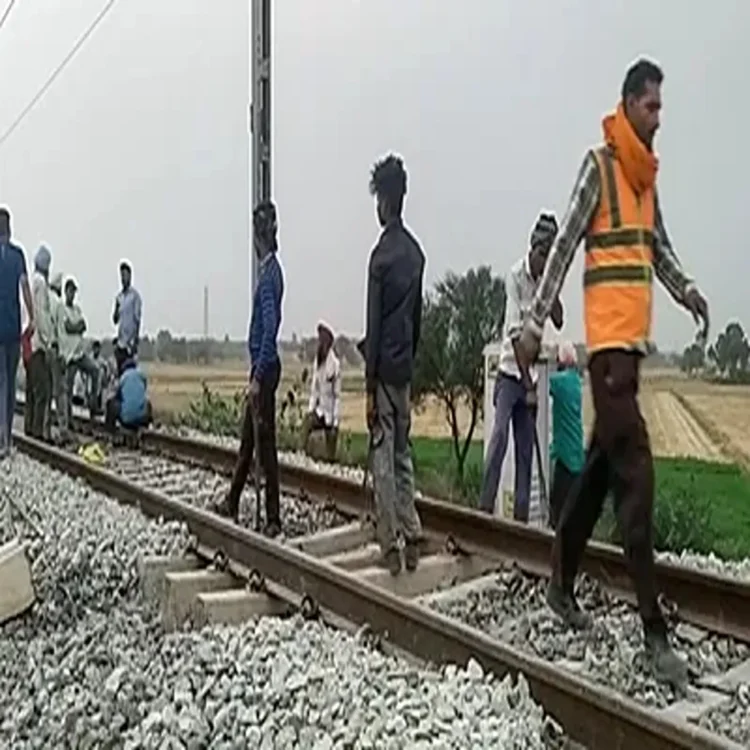
Khattak noted that repairs on key gas pipelines, including Spen Warm and Shewa-1, had already been completed. Despite this, CNG stations continue to report a lack of supply, raising questions about distribution management and administrative oversight.
Economic Impact on Transport and Trade
The prolonged shutdown has had a ripple effect on the province’s economy. Approximately 400,000 vehicles depend on CNG as their primary fuel source due to its affordability. With stations closed, transportation costs have surged, affecting both individual drivers and commercial operators.
Small businesses that rely on transport services are also feeling the strain, as higher fuel costs are being passed down the supply chain. This has contributed to rising prices for goods and services, adding further pressure on households already dealing with inflation.
Concerns Over Resource Allocation
Industry leaders have raised concerns about what they describe as unequal treatment in gas distribution. According to available data, Khyber Pakhtunkhwa produces over 500 million cubic feet of gas daily, while its total consumption requirement, including the CNG sector, is significantly lower.
Despite this apparent surplus, stakeholders argue that the province is not receiving an adequate share of its own resources. This has sparked debate over energy allocation policies and the need for a more transparent and equitable system.
Call for Policy Reforms and Fair Distribution
The situation has prompted renewed calls for structural reforms in the energy sector. Industry representatives are urging federal authorities to review distribution policies and ensure that producing regions are not disadvantaged.
They also highlighted the broader economic contribution of the CNG sector, noting that its operation helps reduce petrol consumption by approximately 1.5 million litres per day. This reduction plays a role in conserving foreign exchange reserves, making the sector an important component of the national economy.
Growing Pressure for Resolution
As the crisis continues, pressure is mounting on both provincial and federal governments to act swiftly. Stakeholders warn that prolonged inaction could deepen economic challenges and erode public trust.
For now, residents and businesses in Khyber Pakhtunkhwa remain in a state of uncertainty, hoping for a timely resolution that restores fuel availability and stabilizes daily life.