
Ebola Outbreak – Congo Faces Rising Health Crisis Amid Growing Violence
Ebola Outbreak – The Democratic Republic of the Congo is intensifying efforts to contain a growing Ebola outbreak as health officials continue identifying new suspected infections across conflict-affected regions. According to the World Health Organization, authorities have so far recorded more than 900 suspected Ebola cases, including 101 laboratory-confirmed infections.
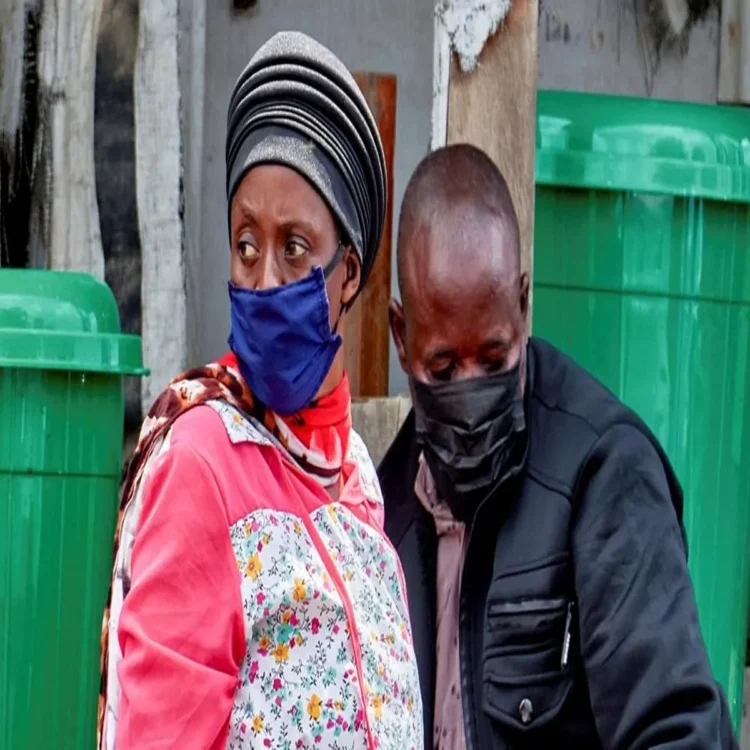
Conflict Zones Complicate Emergency Response
The outbreak has been centered mainly in Ituri province, an eastern region already struggling with armed violence and humanitarian instability. WHO Director-General Tedros Adhanom Ghebreyesus stated that nearly five million residents in the province are living under severe hardship caused by ongoing insecurity.
Large sections of the population remain displaced due to repeated clashes between armed groups, while humanitarian agencies face increasing challenges in reaching vulnerable communities. Health teams working on Ebola monitoring and treatment operations are also being forced to relocate because of security threats.
Officials say these disruptions are slowing down critical tasks such as contact tracing, patient isolation, and early identification of infections. Public health experts warn that delays in detecting new cases could increase the risk of wider transmission in remote communities.
Healthcare Workers Continue Operations in Difficult Conditions
Despite the security concerns, the World Health Organization and partner agencies continue operating in several hard-to-access areas across Ituri. Medical workers are not only responding to Ebola infections but are also dealing with other diseases affecting local populations.
Tedros emphasized that strengthening routine healthcare services remains an essential part of the outbreak response. According to health officials, communities are more likely to cooperate with Ebola containment efforts when they also receive access to broader medical support, including treatment for common illnesses and emergency care.
Aid organizations believe building trust among residents is especially important in regions where fear, misinformation, and years of instability have weakened confidence in public institutions.
WHO Raises National Risk Assessment
On May 16, the WHO classified the Ebola outbreak linked to the Bundibugyo virus strain in both Congo and neighboring Uganda as a public health emergency of international concern. Days later, on May 22, the agency upgraded its national risk assessment for Congo to “very high.”
However, the organization maintained the regional risk level as “high” and the global threat level as “low.” Health experts say the decision reflects concerns about continued transmission inside Congo while indicating that international spread currently remains limited.
Understanding Ebola Transmission
Ebola is a severe viral disease that affects humans and certain animal species, including primates. The infection is known for causing serious complications and has historically recorded high fatality rates during outbreaks.
According to the WHO, the virus can spread from infected wild animals such as fruit bats and primates to humans. Human-to-human transmission occurs through direct contact with infected bodily fluids, including blood and secretions, as well as contaminated materials like clothing or bedding.
Medical researchers estimate the average Ebola fatality rate at around 50 percent, although previous outbreaks have shown significant variation depending on healthcare access and response speed.
History of Major Ebola Outbreaks
The first known Ebola outbreaks were identified in Central African villages near tropical forest regions in 1976. Since then, several countries across Africa have experienced periodic outbreaks of varying intensity.
The largest Ebola epidemic occurred between 2014 and 2016 in West Africa. That crisis began in Guinea before spreading into Sierra Leone and Liberia, eventually becoming the deadliest Ebola outbreak ever recorded. International health agencies reported that the number of infections and deaths during that period exceeded the combined total of all earlier outbreaks.
Public health officials now hope that faster surveillance systems, international coordination, and improved medical preparedness can help prevent the current outbreak in Congo from reaching a similar scale.