
Ebola – Congo’s Ebola Crisis Deepens as Death Toll Rises and Children Face Greater Risk
Ebola –The Ebola outbreak in the Democratic Republic of the Congo (DRC) continues to pose a serious public health challenge, with health officials confirming a steady rise in infections and fatalities as medical teams struggle to contain the disease.
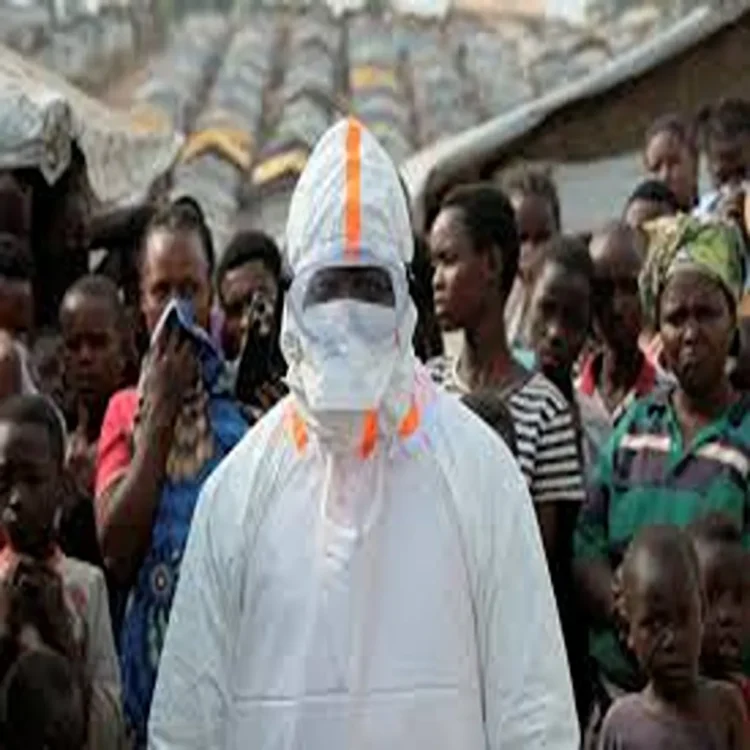
The latest figures released by the country’s health authorities show that the total number of confirmed Ebola cases has climbed to 4,053. Among those infected, 1,850 people have lost their lives. Officials also reported that 694 patients are currently receiving treatment in hospitals or remain under medical isolation, while 793 individuals have successfully recovered from the virus.
Health workers warn outbreak remains out of control
Medical relief organisation Médecins Sans Frontières (MSF), also known as Doctors Without Borders, has expressed growing concern over the worsening situation in eastern DRC. The organisation said the outbreak is expanding at an unprecedented speed and warned there are currently no clear signs that transmission is slowing.
According to the humanitarian group, the continued spread of the virus is placing extraordinary pressure on healthcare workers and emergency response teams operating in the affected regions. It stressed that stronger public health measures and sustained international support remain essential to prevent further loss of life.
Children continue to bear a heavy burden
The United Nations Children’s Fund (UNICEF) has highlighted the severe impact the outbreak is having on children, particularly in Ituri Province, one of the areas most affected by the disease.
UNICEF reported that 330 children have died during the outbreak. Although children account for nearly one-quarter of confirmed Ebola infections, they represent almost one-third of all recorded deaths. The agency also noted that children under the age of five face a significantly higher risk, with fatality rates more than twice those seen among infected adults.
The organisation said these figures underline the urgent need for improved access to healthcare, timely diagnosis and stronger protection measures for vulnerable families living in affected communities.
Essential healthcare services disrupted
Beyond the direct impact of the virus, the outbreak has caused widespread disruption to routine medical services across several regions. UNICEF said many families have delayed or avoided seeking medical treatment because of fears surrounding Ebola or because health facilities have faced operational challenges during the crisis.
As a result, childhood vaccination programmes, maternal healthcare services and other essential medical care have experienced significant declines. Public health experts warn that these interruptions could increase the risk of preventable illnesses and create long-term challenges for the country’s healthcare system.
Broader health concerns continue to grow
John Agbor, UNICEF’s representative in the Democratic Republic of the Congo, said the Ebola emergency is affecting the entire healthcare network rather than only patients infected with the virus. He warned that reduced access to medical care could lead to more deaths from treatable diseases such as malaria, diarrhoea and other common childhood illnesses.
Health agencies continue to stress that restoring confidence in healthcare services is critical while maintaining efforts to contain Ebola transmission. International organisations remain engaged in supporting local authorities through medical treatment, disease surveillance and community awareness programmes aimed at limiting the spread of the virus.