
Earthquake – Venezuela Quake Death Toll Climbs as Relief and Recovery Continue
Earthquake – The death toll from the powerful earthquakes that struck Venezuela on June 24 has continued to rise, with authorities confirming a higher number of fatalities as rescue operations and emergency assistance remain underway across the country’s worst-affected regions.
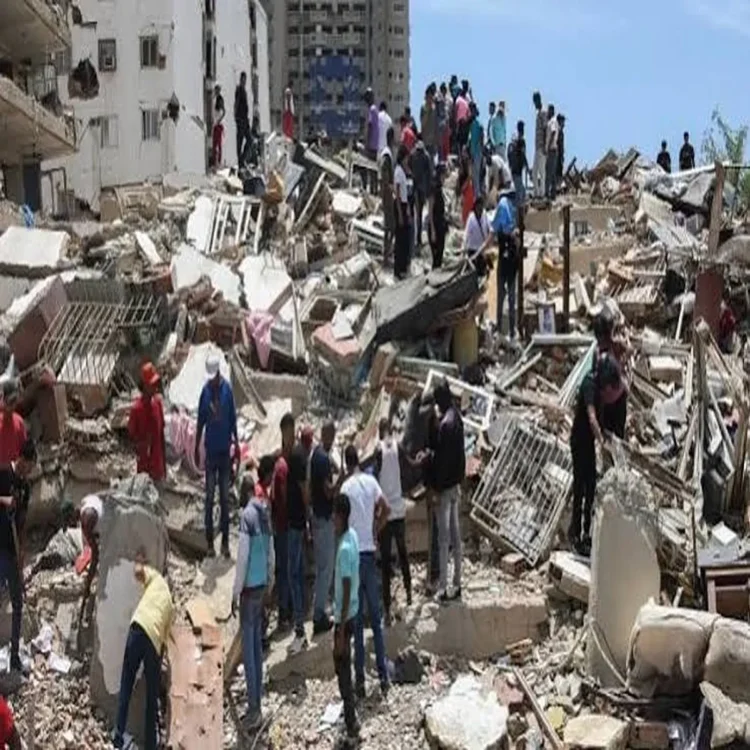
The number of people killed in the devastating earthquakes that hit Venezuela on June 24 has increased to 5,069, according to an official update shared by National Assembly President Jorge Rodriguez. The latest figures indicate that 16,740 people have been injured, while emergency responders have successfully rescued 6,462 survivors since the disaster unfolded. Authorities continue to assess damage while supporting thousands of displaced residents.
Temporary shelters continue to support displaced families
Officials reported that 21,235 people are currently living in 107 temporary shelters established in Caracas and the central regions of La Guaira, Miranda and Aragua. These emergency camps have been set up to provide food, accommodation, medical care and other essential services for families whose homes were destroyed or declared unsafe following the earthquakes.
The number of shelters has expanded over the past several weeks as relief agencies respond to the continuing humanitarian needs. Earlier government updates had reported fewer temporary camps, reflecting the growing scale of assistance required as rescue and recovery operations progressed.
Aftershocks remain a concern for affected communities
Authorities have also recorded 1,331 aftershocks since the two powerful earthquakes, measuring 7.2 and 7.5 in magnitude, struck more than three weeks ago. Emergency officials continue to monitor seismic activity closely, as recurring tremors have complicated rescue efforts and delayed inspections of damaged buildings in several areas.
Experts remain focused on ensuring public safety while structural assessments continue across affected communities. Residents in vulnerable locations have been urged to follow official guidance as authorities evaluate the stability of buildings and public infrastructure.
La Guaira remains the hardest-hit region
Among the affected areas, the coastal state of La Guaira has suffered the most severe impact. Government figures show that 10,981 displaced residents are currently staying in emergency shelters there.
Caracas has the second-largest number of displaced people, with 6,133 shelter residents, while 1,323 people are being accommodated in temporary facilities across Miranda state. Relief teams continue distributing food, drinking water, healthcare supplies and other essential items to those living in these emergency centres.
International aid strengthens humanitarian response
Venezuela’s acting President Delcy Rodriguez thanked the international community for providing humanitarian assistance following the disaster. According to officials, 28 countries have contributed relief supplies to support victims affected by the earthquakes.
Speaking during an inspection of a distribution centre in Caracas, Rodriguez said more than 2,000 tons of international aid had been received and were being sorted before being delivered to temporary shelters across the affected regions.
She expressed appreciation to governments and citizens around the world for extending assistance during one of the country’s most challenging humanitarian emergencies. Rodriguez also said participating nations would be able to see how their contributions were helping families impacted by the disaster.
Focus shifts toward long-term recovery
While emergency response efforts continue, Venezuelan authorities have increasingly turned their attention to rebuilding damaged communities. Rodriguez said international solidarity has reassured the country that it is receiving global support during the crisis.
She emphasized that the next phase will involve restoring affected areas, rebuilding infrastructure and helping displaced families return to stable living conditions. Government agencies and humanitarian organizations are expected to continue coordinating relief operations while developing long-term recovery plans for communities devastated by the June 24 earthquakes.