
Diplomacy – US Signals Possible Military Action If Iran Talks Collapse
Diplomacy – The United States has indicated it may return to military operations against Iran if ongoing negotiations fail to produce a lasting agreement, even as Washington maintains that it is not under immediate pressure to finalize a deal.
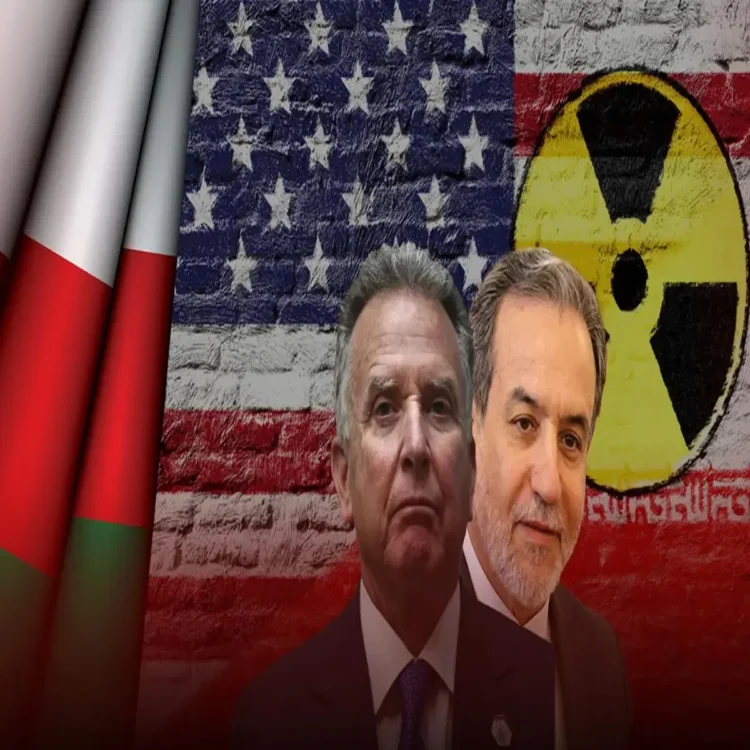
Former US President Donald Trump stated that while an agreement with Tehran could be reached quickly, his preference is for a more durable and long-term resolution. He suggested that if talks break down, the United States is prepared to target remaining objectives through military means, noting that a significant portion of planned operations has already been completed.
Military Campaign and Strategic Position
Trump described recent military efforts as highly effective, claiming that a large share of Iran’s defense infrastructure had been neutralized within a short period. According to his remarks, operations have already addressed most of the intended targets, including key components of Iran’s naval, air, and missile systems.
He also emphasized US control over the Strait of Hormuz, a critical global oil route. By restricting access, Washington aims to increase economic pressure on Tehran. Trump argued that reopening the waterway prematurely would allow Iran to generate substantial daily revenue, which he believes should be withheld until an agreement is reached.
Political Uncertainty Inside Iran
The US leader suggested that Iran’s internal leadership situation has become unstable following weeks of sustained pressure. He claimed there is ongoing uncertainty over authority within the country, with competing factions struggling for control.
Such statements highlight Washington’s assessment that internal divisions may influence Iran’s negotiating stance. However, no independent verification of these claims was provided, and the situation within Iran remains difficult to assess externally.
No Fixed Timeline for Resolution
Although earlier comments hinted at a relatively quick end to tensions, Trump clarified that there is no strict deadline for concluding negotiations. He stressed that the United States is willing to proceed cautiously, arguing that time is currently working in Washington’s favor due to mounting economic challenges faced by Iran.
He acknowledged that American consumers may experience short-term effects, particularly in fuel prices, but framed this as a necessary consequence of broader security objectives. According to his position, preventing Iran from developing nuclear weapons remains the central priority.
Nuclear Issue at the Core
Trump reiterated that the dispute is fundamentally about nuclear capability. He maintained that Iran must not acquire nuclear weapons under any circumstances and insisted that any agreement must ensure this outcome permanently.
At the same time, he ruled out the use of nuclear weapons by the United States, stating clearly that such weapons should not be used by any country. This distinction underscores an attempt to balance firm opposition to Iran’s nuclear ambitions with a broader stance against nuclear escalation.
Humanitarian Development
In addition to military and diplomatic considerations, Trump referenced a humanitarian outcome linked to recent US engagement. He stated that eight women in Iran, previously facing execution, would be released following an appeal from Washington.
While details remain limited, the claim reflects an effort to highlight non-military aspects of US involvement during the ongoing tensions.
A Dual Approach to Negotiations
The current US stance reflects a combination of pressure tactics and conditional diplomacy. By maintaining military readiness while leaving room for dialogue, Washington appears to be pursuing leverage in negotiations.
Trump’s comments suggest that any final agreement must not only address immediate concerns but also ensure long-term restrictions on Iran’s nuclear program. The situation remains fluid, with both sides facing significant strategic and economic considerations as talks continue.