
Diplomacy – US-Iran Talks Show Cautious Progress Despite Longstanding Distrust
Diplomacy – The first round of discussions between the United States and Iran in Islamabad ended without a breakthrough, highlighting decades of strained relations between the two countries. Speaking on Tuesday, US Vice President JD Vance acknowledged that deep-seated mistrust remains a major obstacle, though he expressed measured hope about future negotiations.
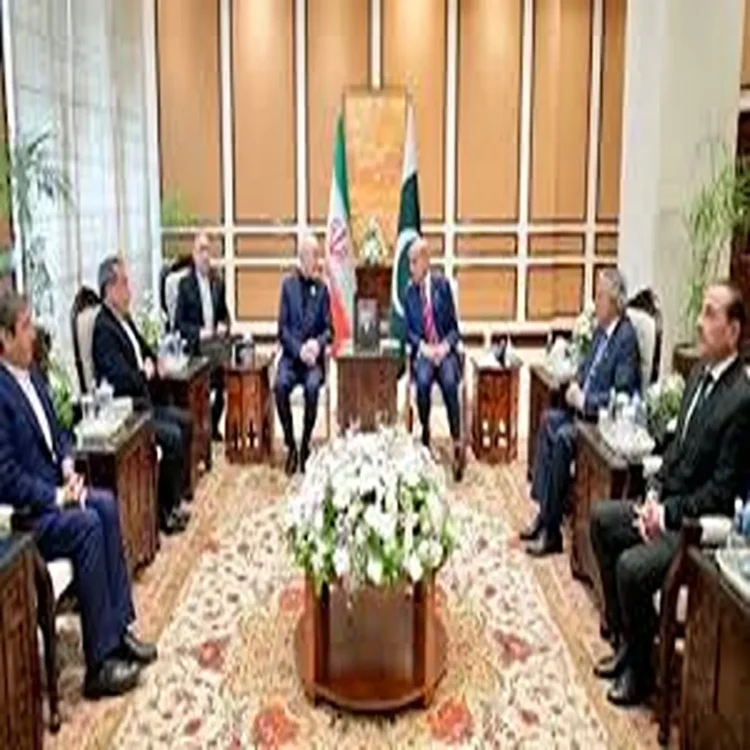
Historic Meeting Marks Shift in Engagement
Addressing an event at the University of Georgia hosted by Turning Point USA, Vance underscored the significance of the recent meeting. He noted that it was the first time in nearly 50 years that officials at such a high level from both nations had engaged directly.
According to him, this unprecedented interaction reflects a shift in approach, even if the road ahead remains uncertain. He pointed out that no previous US administration—Democratic or Republican—had conducted talks at this level with Iranian leadership.
Vance described the meeting as a notable moment in diplomatic history, emphasizing that meaningful dialogue had long been absent from US-Iran relations.
Decades of Distrust Still a Major Challenge
Despite the historic nature of the talks, Vance made it clear that mistrust built over nearly half a century cannot be resolved quickly. He explained that the absence of consistent diplomatic contact has contributed significantly to the current impasse.
The Vice President noted that both sides entered the discussions with caution, shaped by years of political tensions and conflicting interests. This lack of trust, he suggested, remains one of the most difficult barriers to overcome in achieving any lasting agreement.
Signs of Willingness to Negotiate
Even with these challenges, Vance indicated that there were encouraging signals during the talks. He stated that the US delegation approached the negotiations with sincerity, following clear instructions from President Donald Trump to engage constructively.
He added that the Iranian representatives also appeared open to finding common ground, suggesting that both sides may be willing to explore a potential deal if conditions allow.
While refraining from making firm predictions, Vance said continued dialogue could gradually improve the situation.
Possibility of Second Round Under Consideration
Reports indicate that Washington is evaluating the option of holding another round of negotiations with Iran. Islamabad is once again being considered as a potential venue, given its role in hosting the initial discussions.
Sources familiar with the matter have suggested that Vance is likely to lead the US delegation again if talks resume. Senior advisers, including Steve Witkoff and Jared Kushner, are also expected to participate in future engagements.
These officials have remained actively involved in diplomatic efforts, maintaining communication with Iranian counterparts and intermediaries following the extensive 21-hour discussion held earlier.
No Final Decision Yet on Future Talks
Although there is growing interest in continuing the dialogue, US officials have clarified that no formal plans have been finalized. Discussions about a second meeting are ongoing, but details such as timing and agenda are still under review.
A US official stated that while further talks are being considered, nothing has been scheduled so far. This indicates that both sides are still assessing the outcomes of the initial meeting before committing to the next phase.
Broader Context of Regional Tensions
The talks come at a time of heightened tensions in West Asia, where ongoing conflicts have added urgency to diplomatic efforts. The United States has tasked its senior representatives with exploring possible pathways to reduce hostilities and stabilize the region.
While the first round did not produce immediate results, it has opened a channel for direct communication that had been absent for decades. Analysts believe that even limited progress in such talks could contribute to easing broader regional tensions.
As both sides weigh their next steps, the outcome of any future negotiations will likely depend on their ability to build trust gradually and sustain meaningful dialogue.