
Diplomacy – Trump Weighs Iran Offer as Strait Tensions Persist
Diplomacy – US President Donald Trump is reportedly hesitant to accept a recent proposal from Iran aimed at easing ongoing tensions, according to multiple international reports. The proposal, delivered through diplomatic channels in recent days, focuses on reopening the Strait of Hormuz, a crucial route for global oil shipments, while postponing key issues surrounding Iran’s nuclear activities.
Proposal Centers on Strait Access, Not Nuclear Limits
The Iranian plan is said to prioritize restoring maritime movement through the strategically vital waterway, which has remained disrupted amid escalating tensions. However, it reportedly avoids immediate commitments on limiting uranium enrichment or addressing concerns about Iran’s existing stockpile.
Officials in Washington have expressed unease over this approach. They believe that allowing shipping to resume without firm guarantees on nuclear restrictions could weaken the United States’ negotiating position. The Strait of Hormuz is widely seen as a key leverage point, and its reopening without broader concessions may reduce pressure on Tehran.
Rising Economic Pressure Complicates Decision
At the same time, maintaining restrictions in the region has had significant economic consequences. Prolonged disruptions have contributed to elevated global energy prices, with noticeable effects on fuel costs in the United States.
This dual challenge—balancing economic concerns with strategic interests—has made the administration’s next steps less predictable. While reopening the strait could ease market pressures, officials worry it might come at the expense of long-term security objectives.
Internal Uncertainty Within Iranian Leadership
Another factor complicating negotiations is uncertainty about decision-making authority within Iran. US officials remain unclear about who ultimately holds power in approving any agreement.
This ambiguity has made it difficult for American negotiators to assess whether commitments from Tehran would be reliable or consistently upheld. Concerns about internal divisions within the Iranian leadership continue to influence Washington’s cautious approach.
Military Pause Remains in Place
Despite ongoing tensions, the United States has not resumed military operations against Iran. The earlier suspension of airstrikes, part of a temporary ceasefire, remains in effect.
President Trump has indicated reluctance to escalate the situation militarily at this stage. However, the absence of a clear diplomatic breakthrough keeps the possibility of renewed action open, depending on how negotiations evolve.
Mixed Reactions Within US Administration
Reactions to Iran’s proposal have varied within the US government. Some officials have acknowledged that the offer represents a step forward compared to earlier expectations. Others, however, remain skeptical, particularly regarding Iran’s political structure and leadership clarity.
Questions have also been raised about whether Iran’s current leadership can effectively implement and sustain any agreement. These concerns have added another layer of complexity to an already delicate diplomatic process.
Iran Seeks Support From Allies
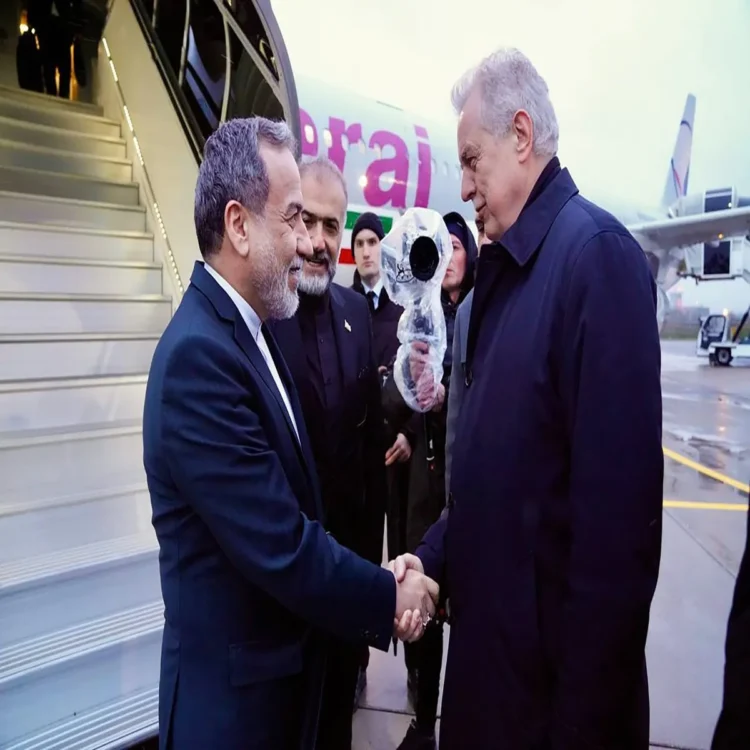
As talks with Washington continue, Iran has also been engaging with its international partners. Recent diplomatic efforts have included meetings with key allies, aimed at strengthening its position and gaining broader support.
Iranian officials have placed responsibility for the stalled negotiations on the United States, arguing that strict conditions and demands have prevented progress. They maintain that earlier discussions had shown promise before reaching an impasse.
No Immediate Breakthrough in Sight
Despite ongoing discussions and back-channel communications, there is no clear indication of an imminent resolution. Both sides appear to be weighing their options carefully, with significant disagreements still unresolved.
The coming days are likely to be critical in determining whether diplomacy can move forward or if tensions will continue to define relations between the two countries. For now, uncertainty remains the dominant theme in a situation with far-reaching global implications.