
Diplomacy – Trump Signals Progress in Iran Talks Amid Tensions
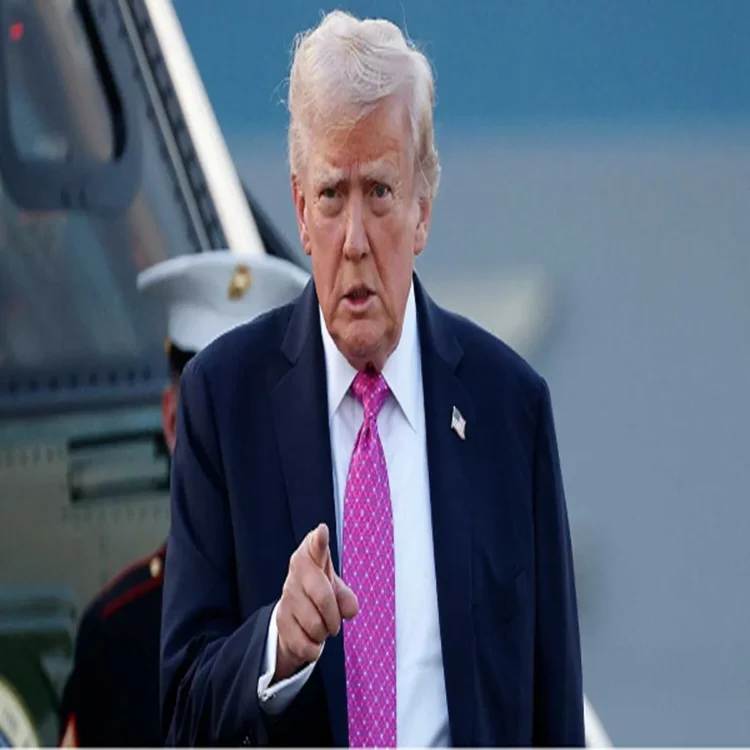
Diplomacy – US President Donald Trump on Sunday expressed confidence that ongoing discussions with Iran could lead to a breakthrough, pointing to what he described as productive engagements and recent developments in maritime activity as encouraging signs. Speaking to reporters aboard Air Force One while traveling to Joint Base Andrews, Trump suggested that a potential agreement might be closer than expected.
Positive Signals from Ongoing Negotiations
According to Trump, the latest round of talks with Iran has shown measurable progress. He indicated that certain concessions, which the United States had long sought, are now being addressed. While maintaining a cautious tone, he noted that the negotiations appear to be moving in a constructive direction.
The President also highlighted recent developments in the Strait of Hormuz, where Iran reportedly allowed multiple oil tankers to pass through. He interpreted this move as a gesture of cooperation, suggesting it reflects a willingness on Iran’s part to ease tensions and engage diplomatically.
Military Actions and Diplomatic Efforts Continue Together
Despite the ongoing diplomatic engagement, Trump acknowledged that military operations have also been taking place. He stated that US forces, including the Navy and Air Force, had carried out strikes on several targets, describing the day’s actions as significant.
This dual-track approach—combining negotiation with military pressure—has been a defining feature of the current US strategy toward Iran. Trump emphasized that both direct and indirect communication channels remain active, with emissaries involved alongside direct discussions.
Oil Tanker Movement Seen as Strategic Gesture
Trump elaborated on Iran’s recent actions involving oil shipments, noting that the number of vessels permitted to pass through the Strait of Hormuz had increased over a short period. Initially, a smaller number of tankers were approved, but this figure reportedly doubled, which Trump viewed as a meaningful development.
He described the movement of these large oil tankers as a possible indication of goodwill, though he acknowledged uncertainty in interpreting Iran’s intentions. The shipments are expected to take place over several days, beginning shortly after his remarks.
Criticism of Previous Nuclear Agreement
In his comments, Trump reiterated his longstanding criticism of the 2015 nuclear agreement with Iran, formally known as the Joint Comprehensive Plan of Action. He argued that withdrawing from the deal was necessary to prevent Iran from advancing its nuclear capabilities.
The original agreement, negotiated by the United States and other global powers, aimed to limit Iran’s nuclear program in exchange for relief from economic sanctions. However, Trump has consistently maintained that the deal was flawed and insufficient in addressing long-term security concerns.
Background of the Iran Nuclear Framework
The Joint Comprehensive Plan of Action was finalized in Vienna in July 2015. It involved Iran and a group of international partners, including the five permanent members of the United Nations Security Council—China, France, Russia, the United Kingdom, and the United States—along with Germany and the European Union.
The framework was designed to curb Iran’s nuclear activities through strict monitoring and limitations, while offering economic incentives in return. Since the US withdrawal from the agreement, efforts have been ongoing to establish a revised framework that addresses broader geopolitical and security issues.
Uncertainty Still Surrounds Final Outcome
While Trump’s remarks suggest optimism, he also acknowledged the unpredictability of negotiations with Iran. He noted that progress has often been followed by setbacks, underscoring the complexity of reaching a lasting agreement.
As discussions continue, the international community remains closely watchful of both diplomatic developments and regional security dynamics. The coming days are expected to provide further clarity on whether current efforts will translate into a formal agreement.