
Diplomacy – Switzerland Delays Post-War Talks as Lebanon Tensions Persist
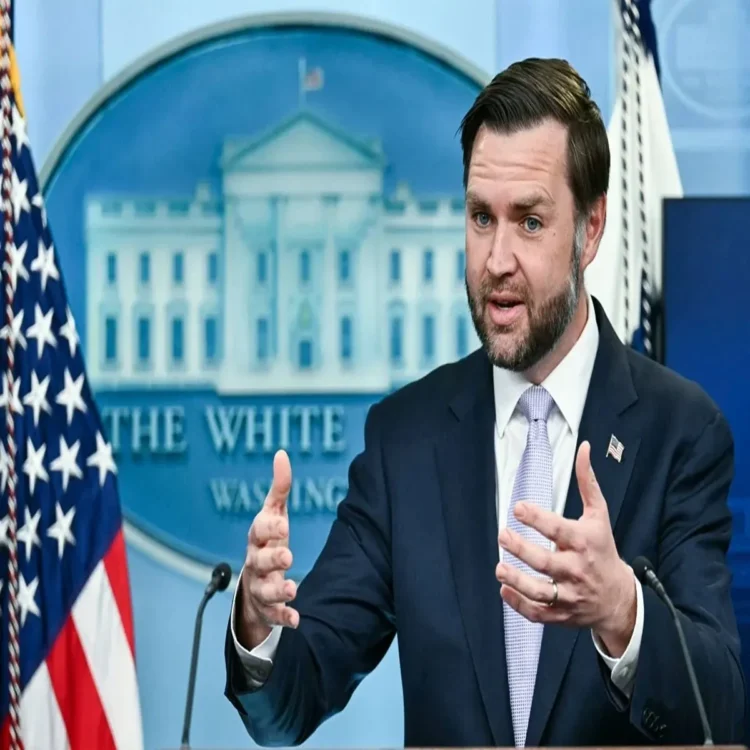
Diplomacy – Switzerland has postponed a planned round of diplomatic discussions intended to advance a recently signed agreement aimed at ending the Middle East conflict, according to an announcement made on Friday. The decision came shortly after the cancellation of a scheduled visit by US Vice President JD Vance to the Alpine nation, where representatives from several countries were expected to meet.
Talks Put on Hold Amid Uncertain Scheduling
Swiss authorities confirmed that discussions involving the United States, Iran, Qatar and Pakistan would not take place as originally planned. While no revised timetable was announced, officials stated that preparations at the Burgenstock venue would continue and that Switzerland remained committed to facilitating future negotiations.
The postponement followed a statement from the White House indicating that Vice President Vance’s trip had been called off. Officials described the ongoing diplomatic process as complex and subject to changing circumstances, adding that technical-level talks would begin once arrangements are finalized.
Agreement Designed to Reduce Regional Tensions
The recently signed accord seeks to bring an end to hostilities involving Iran, the United States and Israel. Key provisions include reopening the Strait of Hormuz, establishing a 60-day period for broader negotiations, and creating a framework for future discussions on Iran’s nuclear activities.
The agreement was separately endorsed by US President Donald Trump and Iranian President Masoud Pezeshkian. Iranian authorities have signaled support for the arrangement, although some senior leaders have publicly acknowledged reservations regarding certain aspects of the deal.
Iran’s Supreme Leader Ayatollah Mojtaba Khamenei stated that he approved the agreement despite holding differing views on some provisions. According to his statement, the decision was made in support of commitments made by Iranian officials to safeguard national interests. He also indicated that direct discussions with the United States could take place in the future without compromising Iran’s positions.
Iran Warns Against Violations
Iran’s chief negotiator, Mohammad Bagher Ghalibaf, cautioned on Friday that Tehran would respond firmly if any party failed to honor the terms of the agreement. His remarks reflected ongoing concerns about the durability of the arrangement and the challenges involved in implementing it.
At the same time, American forces lifted restrictions that had limited maritime access to Iranian ports during the conflict. The US military confirmed that naval operations would continue in the region, although commercial shipping activity remained relatively limited.
Strait of Hormuz Begins Reopening Process
The Strait of Hormuz, one of the world’s most important energy transit routes, has started to see a gradual return of shipping traffic. Maritime tracking data indicated that several oil and gas vessels passed through the waterway following the easing of restrictions.
Iranian state media reported that ships seeking passage must now submit requests to a newly established authority responsible for supervising transit through the strategic corridor. Officials also stated that no fees would be charged for passage during the initial 60-day period outlined in the agreement.
Conflict Continues Along Lebanon Border
Despite efforts to reduce regional tensions, violence has continued in southern Lebanon. Hezbollah announced that its fighters had targeted Israeli military vehicles and that clashes were ongoing in border areas.
Israel’s military confirmed carrying out fresh strikes against Hezbollah positions in southern Lebanon on Friday. The latest developments underline the fragile security situation even as broader diplomatic efforts seek to prevent further escalation across the region.
Questions Remain Over Long-Term Stability
Public reaction inside Iran has been mixed. Some citizens have welcomed the possibility of economic relief and reduced tensions, while others remain skeptical about whether the agreement can survive beyond the initial negotiation period.
Under the terms of the accord, the United States is expected to remove key oil-related sanctions affecting Iran’s economy. The agreement also outlines plans for a future reconstruction fund worth hundreds of billions of dollars, contingent upon progress in negotiations surrounding Iran’s nuclear program.
The deal has sparked debate within the United States as well. While critics argue that Washington gave up leverage too soon, supporters contend that extending military operations could have threatened global energy supplies and increased economic risks worldwide.