
Diplomacy – Pakistan Signals Slow Progress in US-Iran Mediation Efforts
Diplomacy – Pakistan’s Ambassador to the United States, Rizwan Saeed Sheikh, has indicated that early-stage efforts to ease tensions between Washington and Tehran are moving forward, though he cautioned that any meaningful breakthrough will take time. Speaking during an interview on Fox News’ “Special Report,” the envoy described the situation as delicate, requiring patience and sustained engagement from all sides.
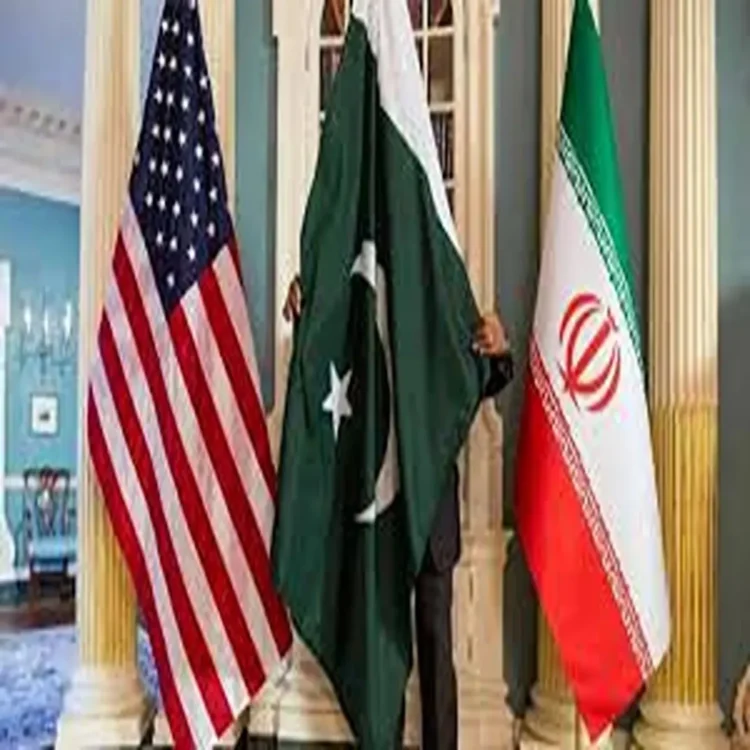
Early Steps Focus on Building Trust
According to Sheikh, initial developments have centered on creating trust between the parties involved. He pointed to recent maritime movements as a tangible sign of progress, noting that a limited number of ships were permitted passage in successive phases. These actions, he explained, go beyond symbolic gestures and serve as practical steps to establish confidence ahead of formal negotiations.
He emphasized that such measures are essential before structured dialogue can begin. While communication channels are active, these early initiatives are meant to demonstrate intent and lay the groundwork for more substantive discussions in the future.
Communication Challenges Inside Iran
The ambassador also drew attention to the difficulties posed by the current situation within Iran. Ongoing instability, he said, has disrupted internal systems and slowed communication processes, making diplomatic coordination more complicated.
He noted that delayed responses from Iranian authorities have already led to adjustments in previously set timelines. These delays highlight the challenges of conducting negotiations under strained conditions, where even basic exchanges can take longer than expected. Despite these obstacles, Sheikh stressed that efforts are continuing in line with the latest deadlines.
Pakistan’s Role as a Facilitator
Clarifying Pakistan’s involvement, Sheikh described his country’s position as that of a mediator rather than a decision-maker. He underlined that while Pakistan is helping to bridge communication gaps and encourage dialogue, the ultimate responsibility for any agreement lies with the United States and Iran.
He added that both sides must not only engage in discussions sincerely but also take the necessary steps to create conditions conducive to negotiations. The success of any potential agreement, he said, will depend on the willingness of the primary stakeholders to make critical decisions.
US Perspective on Ongoing Talks
Earlier, US President Donald Trump had also commented on the situation, suggesting that indirect discussions with Iran are showing encouraging signs. He acknowledged Pakistan’s role in facilitating communication through unofficial channels but refrained from sharing detailed specifics about the negotiations.
When questioned about the possibility of a ceasefire arrangement, particularly concerning the reopening of the Strait of Hormuz, Trump avoided committing to a timeline. His remarks, however, indicated that diplomatic engagement remains active behind the scenes.
A Gradual and Uncertain Path Ahead
Taken together, these developments reflect a cautious but ongoing effort to reduce tensions in a highly sensitive geopolitical environment. While early steps such as confidence-building measures suggest some forward movement, significant hurdles remain.
The situation underscores the complexity of international diplomacy, especially when multiple layers of conflict, disrupted infrastructure, and political considerations intersect. For now, the process appears to be progressing incrementally, with no immediate resolution in sight.
Observers note that sustained dialogue, patience, and mutual willingness to compromise will be critical if these initial efforts are to translate into meaningful outcomes.