
Diplomacy – Pakistan Brokers Ceasefire Talks Between US and Iran
Diplomacy – Pakistan has stepped into a significant diplomatic role by facilitating a temporary ceasefire between the United States and Iran, while also preparing to host negotiations aimed at easing tensions in the Middle East.
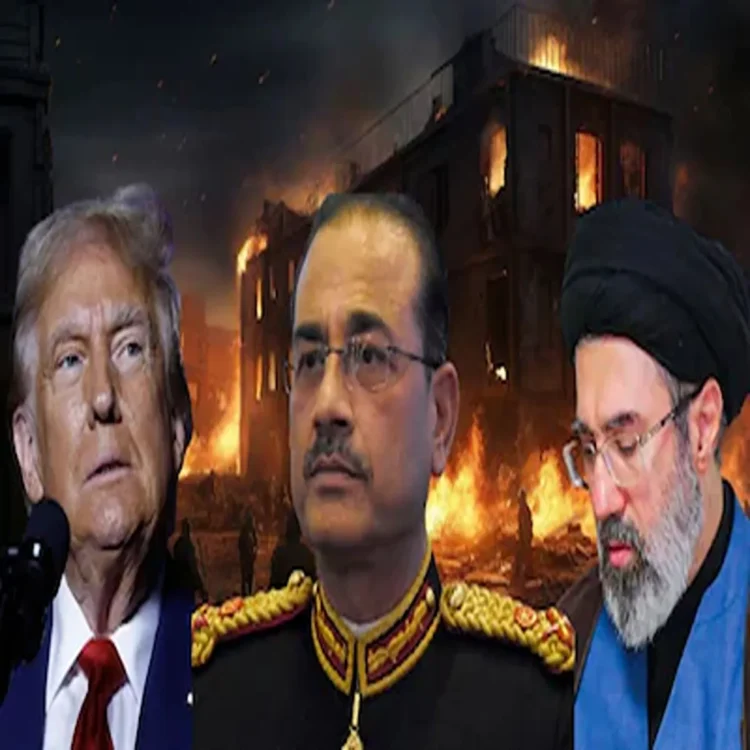
Pakistan Claims Breakthrough in Ceasefire Efforts
On Wednesday, Prime Minister Shehbaz Sharif announced that both Washington and Tehran, along with their respective allies, had agreed to a broad ceasefire following Islamabad’s mediation efforts. The pause in hostilities, set for two weeks, is expected to create space for formal discussions in Pakistan’s capital.
Sharif described the development as a major diplomatic success for the country, highlighting its ability to bring together opposing sides in a highly sensitive conflict. Analysts also noted that Pakistan’s involvement signals a growing role in regional peace efforts, despite skepticism about its capacity to manage such a complex initiative.
Strategic Ties With Both Nations
Pakistan’s unique position stems from its long-standing relationships with both Iran and the United States. Former ambassador Asif Durrani pointed out that Islamabad maintains workable ties with each side, giving it credibility as a mediator.
Geographically, Pakistan shares a nearly 900-kilometre border with Iran, alongside deep cultural and religious connections. Historically, Iran was among the first countries to recognize Pakistan after its independence, while Islamabad supported Tehran following the 1979 Islamic Revolution. Pakistan also represents certain Iranian diplomatic interests in Washington, where Iran lacks formal representation.
Role of Leadership and Personal Diplomacy
Recent engagement between Pakistan’s military leadership and US officials has also helped rebuild trust. Army Chief Field Marshal Asim Munir has established direct communication with US President Donald Trump, which observers believe contributed to smoother coordination.
Such personal interactions have often influenced bilateral relations, even as ties have faced strain in the past. Disagreements during the post-9/11 period and the 2011 operation that killed Osama bin Laden in Pakistan created friction, but both countries have continued to maintain strategic engagement where interests align.
Balancing Regional Alliances
Pakistan’s diplomatic efforts are further shaped by its relationships with other key players. Its strategic defense agreement with Saudi Arabia, signed in 2025, reinforces close ties with Riyadh, requiring Islamabad to maintain a careful balance while engaging with Iran.
At the same time, Pakistan’s partnership with China adds another dimension. Beijing, Iran’s largest trading partner, has backed Pakistan’s role in de-escalation efforts. Recent meetings involving officials from Saudi Arabia, Turkey, Egypt, and China reflect a broader regional push to stabilize the situation.
Economic and Security Considerations
For Pakistan, remaining neutral is not only a diplomatic choice but also an economic necessity. The country depends heavily on energy imports passing through the Strait of Hormuz, making prolonged conflict a direct threat to its fuel supply and economic stability.
Any disruption could lead to rising costs and additional pressure on an already strained economy. A sustained ceasefire, therefore, offers both immediate relief and longer-term benefits by promoting regional stability and improving Pakistan’s global standing.
Next Phase: Talks in Islamabad
Looking ahead, Pakistan is expected to host delegations from both the United States and Iran starting April 10. Officials believe that Islamabad provides a neutral and comfortable environment for dialogue, particularly for Tehran.
Experts suggest Pakistan could play multiple roles during the talks, from facilitating direct discussions to acting as an intermediary if face-to-face negotiations prove difficult. It may also assist in resolving disagreements over language and terms if negotiations reach a deadlock.
Uncertainty Over Ceasefire Scope
Despite the announcement, some ambiguity remains regarding the extent of the ceasefire. While Pakistani officials indicated that the agreement covers all conflict zones, including Lebanon, other statements have suggested that certain areas may not be included.
This discrepancy highlights the challenges ahead as negotiations move forward, with clarity on terms likely to be a key focus in upcoming discussions.