
Cuba – Havana Seeks UN Debate Over US Blockade Concerns
Cuba – Cuba has asked the United Nations General Assembly to hold a debate on what it describes as the growing threat posed by the United States blockade, with officials in Havana saying the issue requires urgent international attention. The discussion is scheduled for Tuesday and will focus on the impact of US measures on Cuba’s economy, fuel supplies and humanitarian conditions.
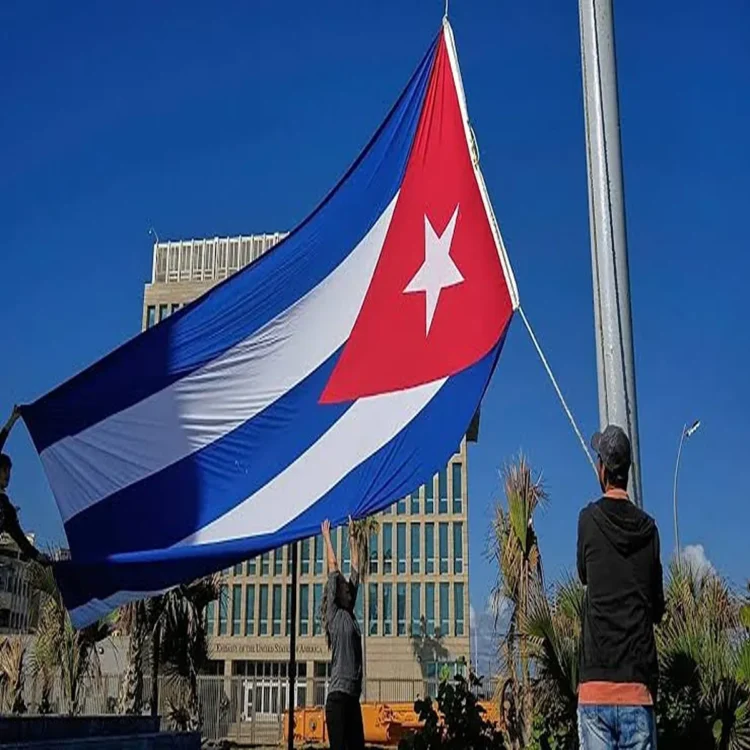
Cuban Officials Raise Concerns Over US Actions
Pedro Luis Pedroso, director general of Multilateral Affairs and International Law at Cuba’s Foreign Ministry, said the situation facing the country should not be viewed as a theoretical concern. Speaking to reporters, he said Cuba believes the measures adopted by Washington represent an active and serious challenge rather than a possible future risk.
Pedroso said Havana intends to use the UN General Assembly debate to highlight what it considers aggressive US policies, including concerns about the possibility of direct military action. Cuban authorities have repeatedly argued that the pressure campaign against the island has expanded beyond economic restrictions.
Fuel Supply Restrictions Expected to Be Central Issue
A major part of Cuba’s presentation will focus on restrictions affecting fuel deliveries. The country depends heavily on imported oil, and Cuban officials say limits on fuel supplies have created serious difficulties for transport, electricity generation and other essential services.
According to Pedroso, measures targeting countries that provide fuel to Cuba have had an effect similar to a naval blockade in practical terms. He said the policy has made it harder for Cuba to secure energy supplies from abroad.
The US administration announced sanctions in January against countries supplying fuel to Cuba, a move Havana says has increased pressure on an already fragile economy. Cuban officials maintain that the policy violates international legal principles, including standards that apply during armed conflict.
Havana Cites Humanitarian and Legal Concerns
Cuba is also expected to raise concerns over restrictions affecting humanitarian assistance. Pedroso said limitations on the delivery of aid could conflict with international law and humanitarian obligations.
The Cuban government argues that the economic, trade and financial restrictions imposed by the United States amount to collective punishment and violate human rights. Havana has also described the measures as an act of genocide, though Washington has rejected Cuba’s characterization of its policy.
Pedroso said the US approach toward Cuba includes economic pressure, political measures and information-related actions. He added that Cuban authorities remain concerned about the possibility of military aggression, despite longstanding statements from Havana that the island does not pose a threat to the United States.
Cuba Seeks Wider Support at United Nations
The Cuban diplomat said Havana hopes the General Assembly will hold a detailed and meaningful discussion on the issue. Cuba wants member states to reaffirm the principles laid out in the UN Charter, including sovereign equality, respect for territorial integrity and political independence.
The country is also seeking support for the principles of non-interference in domestic affairs, peaceful settlement of disputes and opposition to the threat or use of force in international relations.
Cuba has regularly brought the issue of the US embargo before the United Nations. In previous years, the General Assembly has overwhelmingly supported resolutions calling for an end to the blockade, although those resolutions are not legally binding.
The upcoming debate is expected to give Cuba another opportunity to present its position before the international community while drawing attention to the economic and humanitarian effects it attributes to US restrictions.